What Makes a Landlord Liable for Tenant Injuries?
Landlords have a legal duty to maintain rental properties in a reasonably safe condition, particularly in common areas like stairwells, lobbies, parking structures, elevators, hallways, and laundry rooms. When a landlord knows about a dangerous condition — or should have known through reasonable inspection — and fails to repair it, they can be held liable for injuries that result. This applies to both residential and commercial landlords.
What Are the Most Common Apartment Building Hazards?
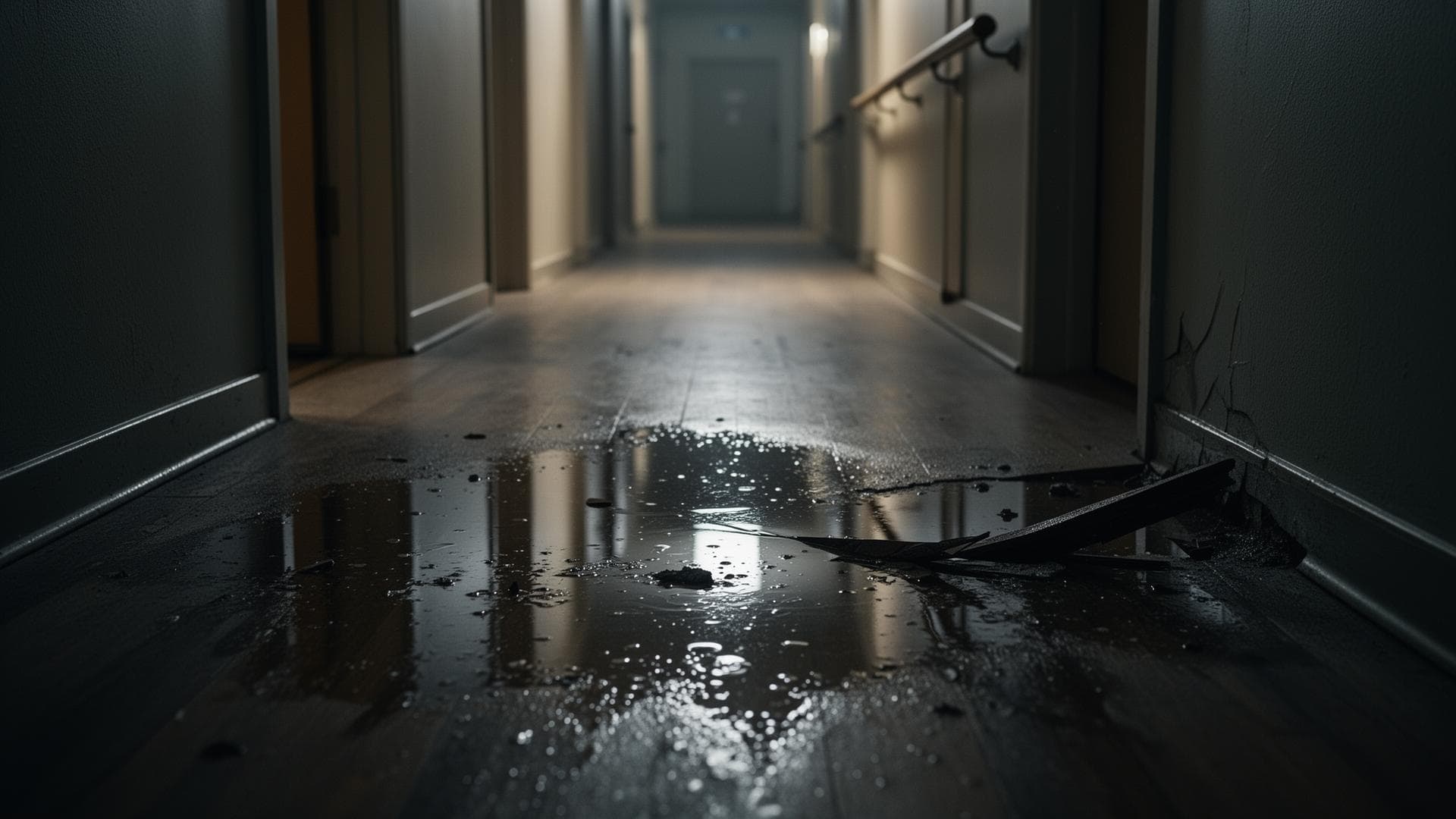
The most frequent causes of apartment building injuries include: Stairway hazards — broken or missing handrails, uneven steps, worn carpet or loose treads, inadequate lighting. Stairway falls are among the leading causes of traumatic brain injuries and spinal cord injuries in residential settings. Inadequate lighting — dark hallways, stairwells, and parking areas that obscure tripping hazards and create security risks. Floor and surface defects — cracked tiles, loose flooring, uneven thresholds between rooms, and failure to address ice or water accumulation in entryways. Elevator malfunctions — doors closing on passengers, sudden stops, leveling failures that create tripping gaps. Security failures — broken locks, non-functioning security cameras, inadequate exterior lighting that enables criminal assaults.
How Do You Prove Your Landlord Knew About the Hazard?
Evidence of landlord knowledge includes: prior written complaints from you or other tenants, maintenance request records, building inspection reports documenting violations, code enforcement citations, testimony from other tenants about the condition's duration, and photographs or videos showing the hazard over time. Many states also apply the doctrine of constructive notice — if a hazard has existed long enough that a reasonable landlord would have discovered it during routine inspections, knowledge is presumed even without formal complaints.
What About the Lease Waiver Clause?
Many leases contain clauses attempting to waive landlord liability for injuries. In most states, these exculpatory clauses are unenforceable when it comes to common area injuries or violations of housing codes. Courts consistently hold that landlords cannot contractually disclaim their duty to maintain safe premises. If you've been injured in an apartment building, contact Bond Legal at (866) 423-7724 — we'll review your lease and identify all liable parties.