How Big Are Box Truck Blind Spots?
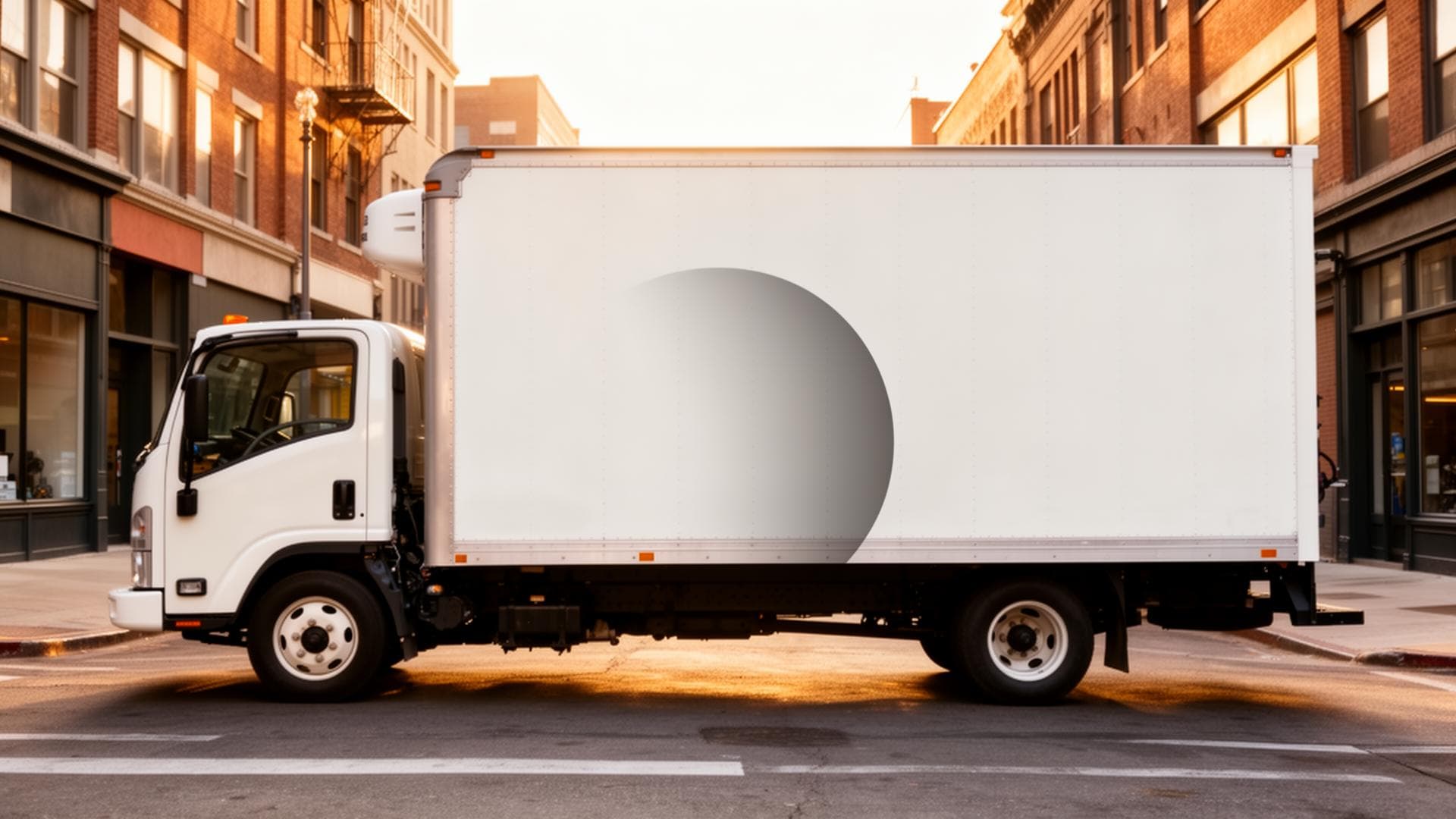
Box trucks — including rental moving trucks (U-Haul, Penske, Budget) and local delivery vehicles — have blind spots that are significantly larger than passenger vehicles. Unlike semi-trucks, box trucks typically lack side mirrors, backup cameras, and blind spot warning systems. The box-shaped cargo area completely eliminates rearward visibility and creates massive right-side blind spots.
Why Are Box Truck Accidents Increasing?
The explosion of e-commerce delivery has put more box trucks on residential streets than ever before. These vehicles are often driven by: independent contractors with minimal training, seasonal workers during peak delivery periods, and consumers renting moving trucks with zero commercial driving experience. Unlike CDL-required semi-trucks, most box trucks under 26,000 pounds require only a standard driver's license — no special training, no logbook requirements, and no medical certifications.
What Are the Most Dangerous Box Truck Accident Scenarios?
The most dangerous box truck blind spot accidents include: Right-turn squeeze — the truck turns right, crushing a cyclist or pedestrian the driver couldn't see. Lane-change sideswipe — the driver changes lanes without seeing a vehicle in the right-side blind zone. Backing accidents — without rear visibility, box trucks backing into parking spaces or driveways strike pedestrians, children, and other vehicles. Intersection right-of-way — box trucks pulling into traffic from delivery stops without adequate sight lines.
Who Can Be Held Liable in a Box Truck Accident?
Liable parties may include: the truck driver, the driver's employer (delivery company), the truck rental company (for inadequate safety equipment), and the vehicle manufacturer. Compensation covers medical expenses, lost income, pain and suffering, and property damage. Contact Bond Legal at (866) 423-7724 for a free case review.