The Scale of the Problem
Medical devices — from hip and knee implants to surgical mesh, pacemakers, and insulin pumps — are essential to modern healthcare. But when these devices are defective, the consequences can be devastating. The FDA receives approximately 2 million adverse event reports related to medical devices each year, including reports of serious injuries and deaths.
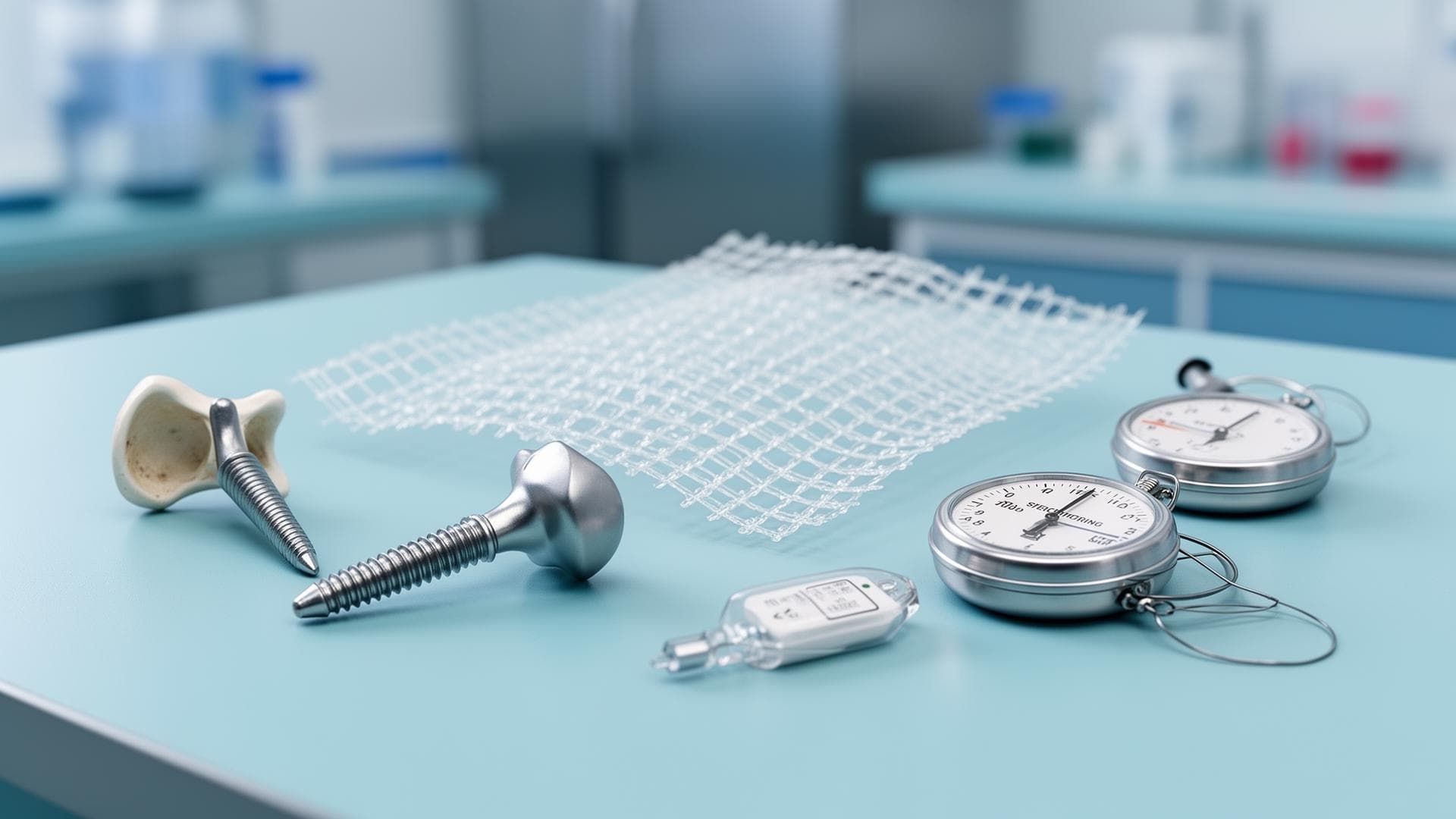
Major defective medical device litigations have included: Metal-on-metal hip implants (DePuy ASR, Stryker Rejuvenate) — releasing metallic debris into surrounding tissue, causing metallosis, bone erosion, and the need for painful revision surgeries. Transvaginal mesh (Ethicon, Boston Scientific, C.R. Bard) — mesh products implanted to treat pelvic organ prolapse and stress urinary incontinence that eroded through tissue, caused chronic pain, and required multiple surgeries. Hernia mesh — certain hernia repair mesh products that migrated, contracted, or caused chronic inflammation. IVC filters — blood clot filters that fractured, migrated, or perforated blood vessels.
Legal Theories in Medical Device Cases
Defective medical device claims typically rely on three legal theories: Design defect: The device was inherently dangerous due to its design. Even if manufactured correctly, the design itself posed unreasonable risks. Manufacturing defect: The device deviated from its intended design during production — contamination, improper materials, or assembly errors. Failure to warn: The manufacturer knew (or should have known) about risks but failed to adequately warn doctors and patients. This includes failing to update warnings as new adverse event data emerged.
The FDA's Role — and Its Limitations
Many people assume that FDA approval means a device is safe. This is a common misconception. The FDA's 510(k) clearance pathway — used for the majority of medical devices — allows manufacturers to bring a device to market by showing it is 'substantially equivalent' to a device already on the market, often without clinical trials. Only the most high-risk devices (Class III) go through the rigorous Premarket Approval (PMA) process requiring clinical evidence of safety and effectiveness.
FDA clearance or approval does not immunize manufacturers from liability. Courts have consistently held that manufacturers can be sued for defective devices even if the device was FDA-approved, particularly when the manufacturer withheld safety data from the FDA or failed to report adverse events.
Statute of Limitations and MDL
Medical device cases are often consolidated into Multidistrict Litigation (MDL) — a federal procedural mechanism that groups similar cases before a single judge for coordinated pretrial proceedings. This makes the litigation more efficient without eliminating individual case differences. Statutes of limitations for medical device claims vary by state and typically begin running when the patient discovers (or reasonably should have discovered) the defect — the 'discovery rule.'
If you've been injured by a medical device, contact Bond Legal at (866) 423-7724 for a free case evaluation. We handle medical device claims nationwide.