The Contractor Shield: How Delivery Companies Avoid Liability
Major delivery companies — Amazon, FedEx Ground, many food delivery apps — use a legal structure that classifies their drivers as 'independent contractors' rather than employees. This distinction matters enormously in personal injury cases because employers are generally liable for the negligent acts of their employees (under a legal doctrine called respondeat superior), but not for the acts of independent contractors.
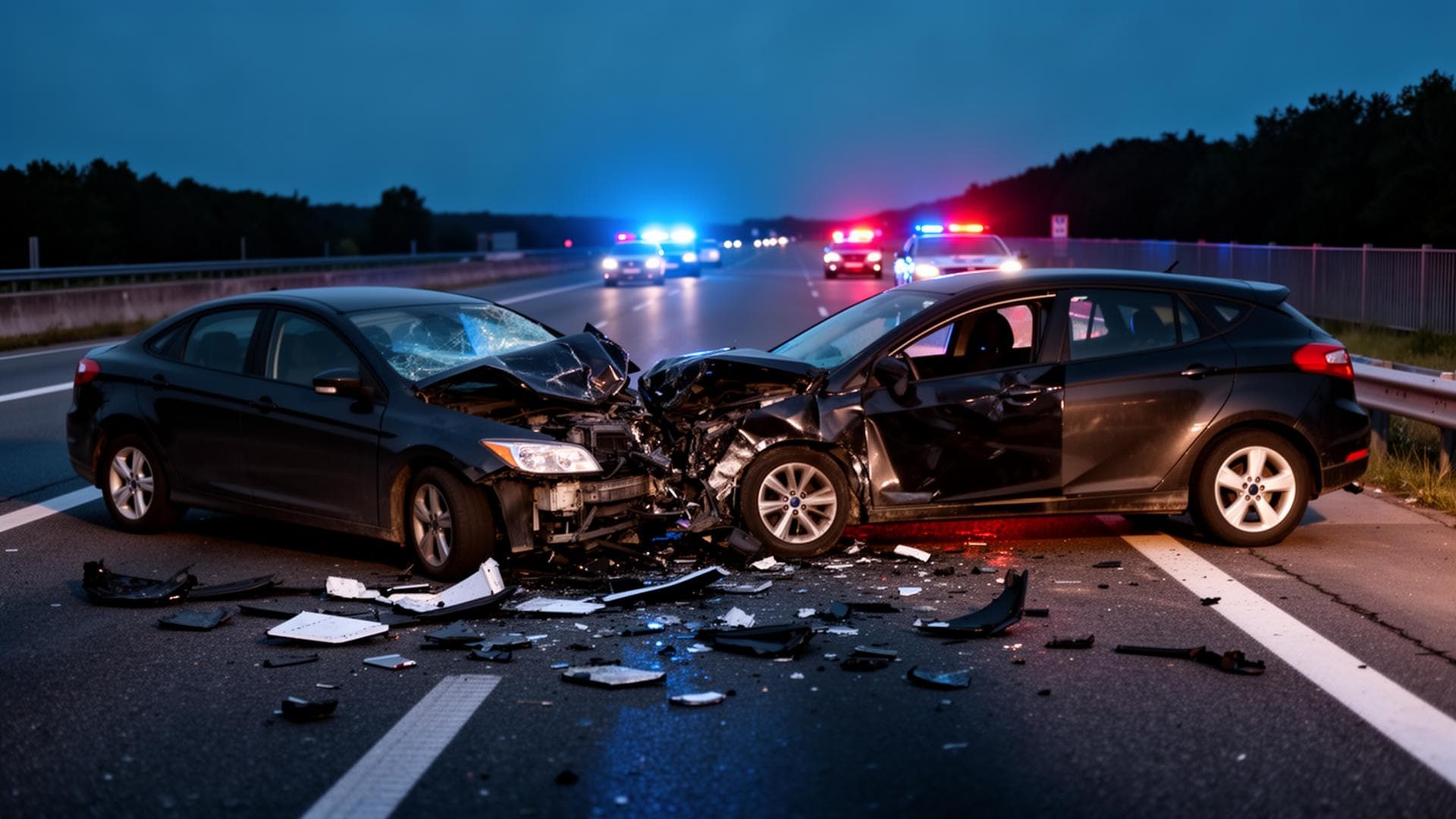
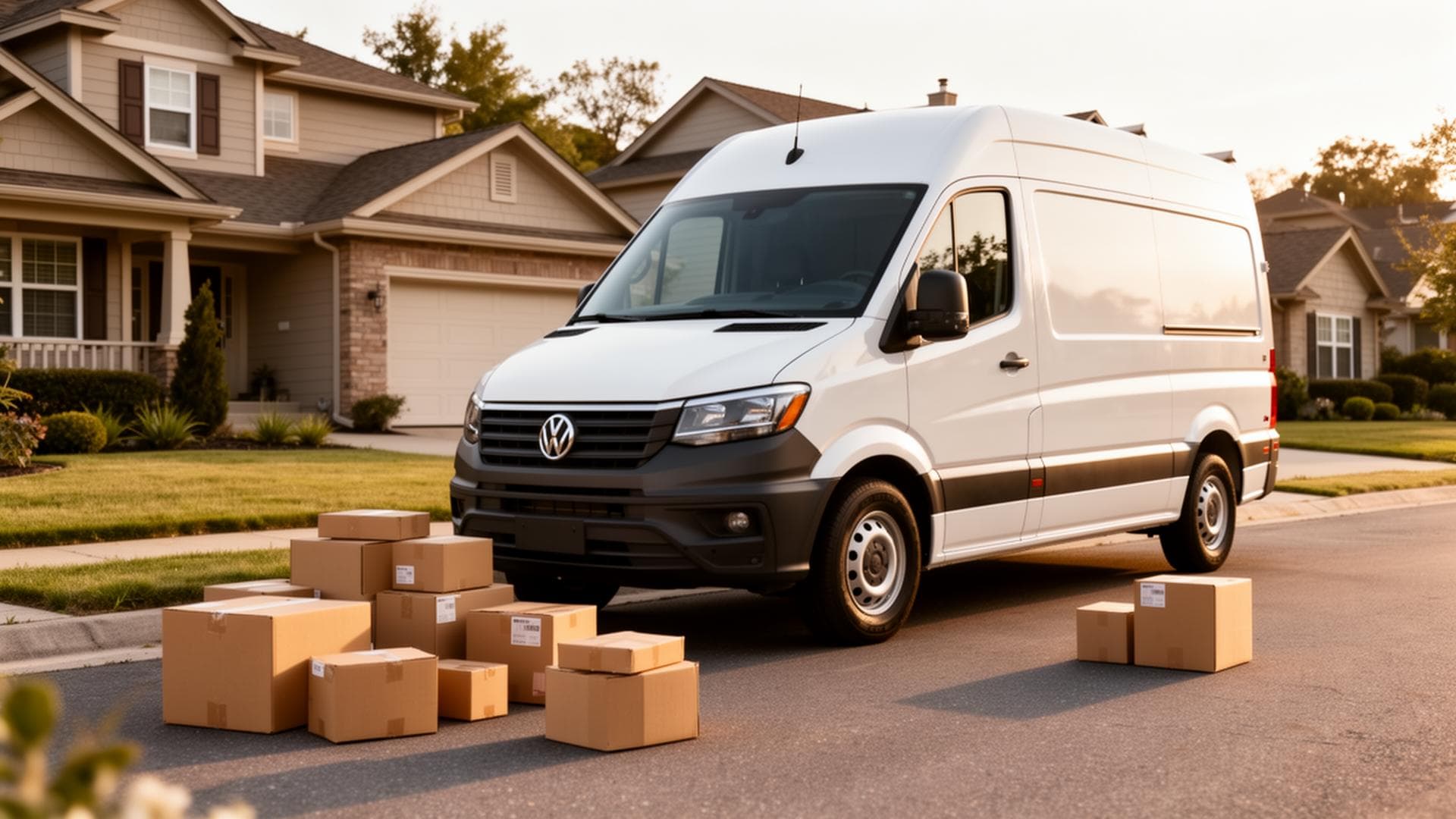
When a FedEx Ground driver runs a red light and causes a serious accident, FedEx's first defense is often: 'That driver doesn't work for us — they work for an independent Delivery Service Provider (DSP).' Amazon uses a nearly identical structure with its DSP program, where third-party companies employ the drivers who deliver Amazon packages in Amazon-branded vans.
Piercing the Contractor Shield
Despite the 'independent contractor' label, courts increasingly look past the contract language to examine the actual working relationship. Key factors include: Control over work: Does the company dictate routes, delivery windows, dress code, vehicle appearance, and performance metrics? The more control, the more likely the driver is an employee. Economic dependence: Does the driver work exclusively (or primarily) for one company? If so, they look more like an employee. Equipment: Does the company provide the vehicle, uniform, scanning device, and other tools? Company-provided equipment suggests employment. Integration: Is the driver's work integral to the company's core business? Delivering packages is Amazon's core business.
Several landmark cases and regulatory actions have challenged the contractor model. California's AB 5 (the 'gig worker law') created a presumption that workers are employees unless the hiring company meets a strict three-part 'ABC test.' New York, New Jersey, Massachusetts, and Illinois have adopted similar protective standards. Even in states without specific gig-worker legislation, courts apply multi-factor tests examining the degree of control the company exercises over the worker.
Theories of Liability Against Delivery Companies
Even if the contractor shield holds, injured victims may pursue: Negligent hiring/retention: The delivery company failed to properly vet the driver's record, or continued using a driver with known safety issues. Negligent supervision: The company imposed unrealistic delivery quotas that encouraged reckless driving. Apparent authority/agency: The driver appeared to represent the company (wearing the uniform, driving a branded van), creating reasonable reliance by the public. Premises liability: If the accident occurred on the company's property (distribution center, warehouse).
What to Do If You're Hit by a Delivery Driver
Document the vehicle — note any company branding, vehicle number, and the driver's uniform or ID badge. Photograph the vehicle from multiple angles. Get the driver's personal information and the name of their employer or contracting company. File a police report. Do not give a recorded statement to any insurance company. Contact Bond Legal at (866) 423-7724 — we have experience piercing corporate contractor structures to hold the real parties accountable.