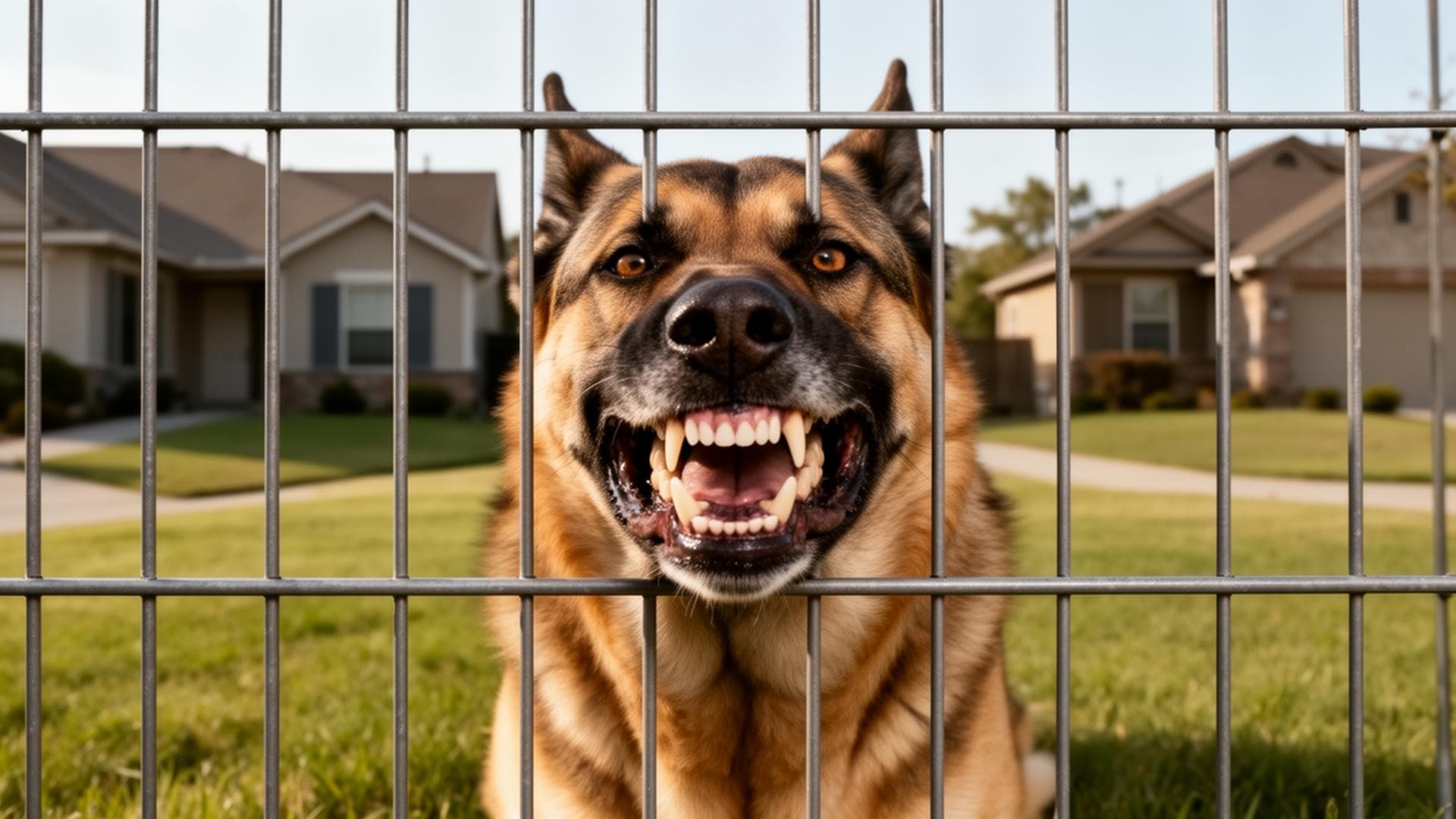
Dog bites are more common — and more dangerous — than most people realize. According to the CDC, approximately 4.5 million dog bites occur in the United States each year, with nearly 800,000 requiring medical attention. Children, elderly adults, and postal workers are the most frequent victims.
How Dog Bite Liability Works Across the U.S.
Dog bite liability laws vary significantly by state and generally fall into two categories: Strict liability states (including California, Texas, Florida, New York, Ohio, Illinois, and many others) hold dog owners liable regardless of whether they knew the dog was dangerous. In California, Civil Code §3342 is one of the most plaintiff-friendly statutes. Florida Statute §767.01 similarly imposes strict liability. Texas applies strict liability when the owner knew the dog had bitten before or acted negligently. 'One bite rule' states (including Virginia, North Carolina, and others) only hold an owner liable if they knew or should have known the dog was dangerous — often requiring evidence of a prior bite or aggressive behavior.
What You Must Prove
The elements of a dog bite claim vary by state, but generally you must prove: the defendant owned or controlled the dog, the bite occurred while you were in a public place or lawfully on private property, and you suffered injuries. In strict liability states, you do NOT need to prove the owner was negligent or that the dog had a history of aggression. In one-bite-rule states, you must also show the owner knew or should have known about the dog's dangerous propensities.
When Strict Liability Doesn't Apply
Most strict liability statutes apply only to bites — not other injuries caused by dogs (such as being knocked down). For non-bite injuries, you would generally need to prove traditional negligence. The law also typically doesn't apply to police or military dogs performing official duties, or to situations where the victim was trespassing or provoking the dog.
Common Dog Bite Injuries
Dog bites can cause serious harm including: puncture wounds and lacerations, nerve damage (especially in hands and face), infections (including rabies, tetanus, and MRSA), scarring and disfigurement, broken bones (from large breeds), and emotional trauma (PTSD, fear of dogs, anxiety).
Children Are Most at Risk
Children under age 10 account for the highest rate of dog bite injuries. Because of their small size, children are more likely to suffer bites to the face, head, and neck — the most dangerous areas. If your child has been bitten, seek immediate medical attention and contact an attorney.
Damages You Can Recover
Dog bite victims can generally recover compensation for: medical bills (emergency care, surgery, reconstructive procedures), lost wages, pain and suffering, emotional distress, scarring and disfigurement (which can be particularly significant for facial injuries), and future medical costs (including plastic surgery or psychological treatment). Some states also allow punitive damages where the owner's conduct was particularly reckless.
Homeowner's Insurance Coverage
Most dog bite claims are covered by the dog owner's homeowner's or renter's insurance policy. Standard policies typically provide $100,000 to $300,000 in liability coverage. However, some policies exclude certain breeds (pit bulls, Rottweilers, etc.), which can complicate the claims process.
The Statute of Limitations
The deadline to file a dog bite lawsuit varies by state: California allows 2 years, Texas allows 2 years, New York allows 3 years, Florida allows 4 years (2 years for claims after March 2023), and Ohio allows 2 years. For children, most states toll (pause) the statute of limitations until the child reaches the age of majority. However, waiting can make evidence harder to preserve, so it's best to consult an attorney promptly.
Steps to Take After a Dog Bite
1. Seek medical attention immediately, even for seemingly minor bites 2. Identify the dog and owner — get their name, address, and insurance information 3. Report the bite to local animal control 4. Document your injuries with photos throughout the healing process 5. Don't give statements to the owner's insurance company 6. Contact a personal injury attorney experienced in dog bite cases
At Bond Legal, we've represented numerous dog bite victims across the country. Contact us at (866) 423-7724 for a free consultation.