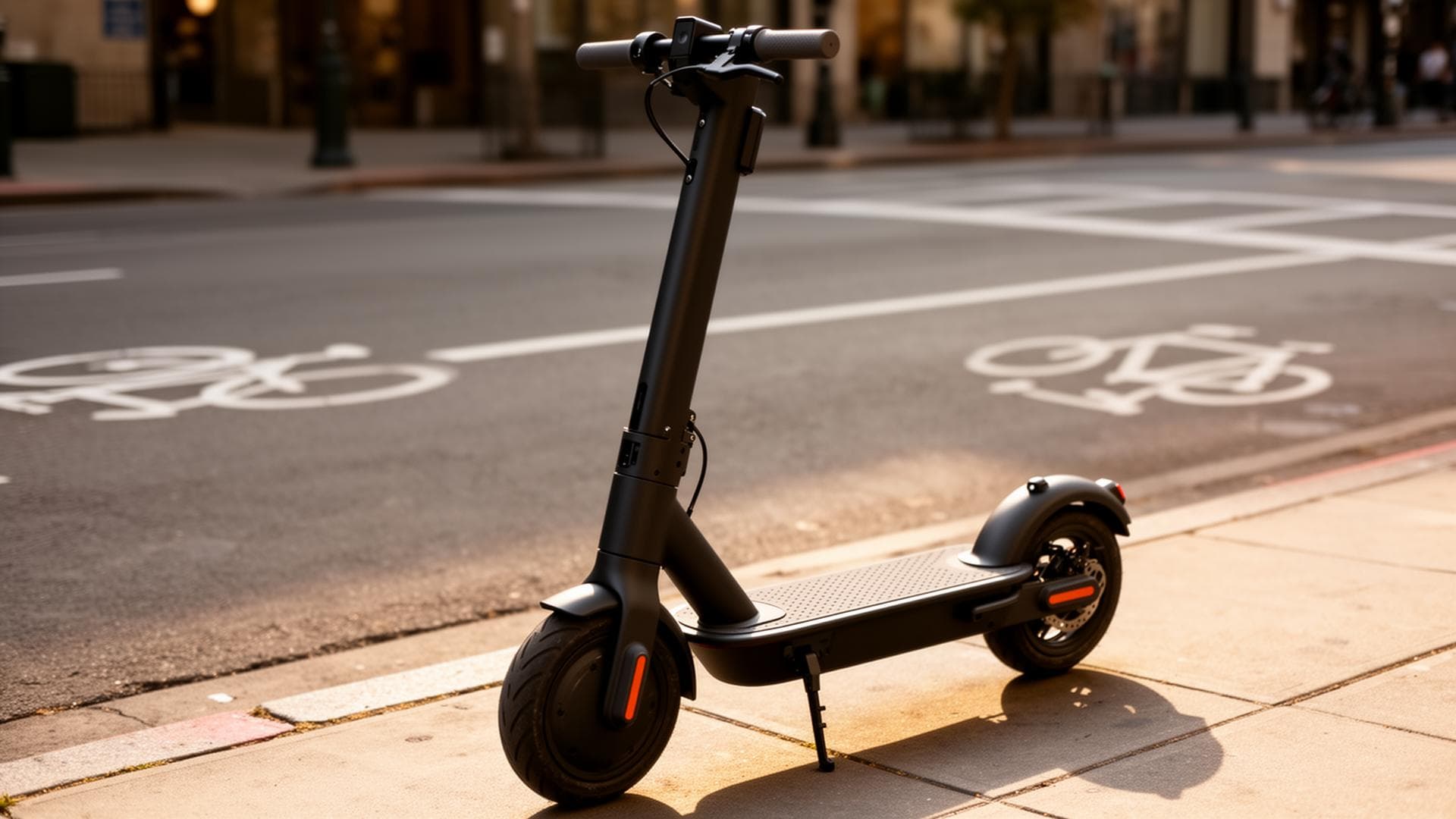
The Wild West of E-Scooter Regulation
The rapid proliferation of electric scooters from companies like Bird, Lime, Spin, and Veo has outpaced legislative efforts to regulate them. As a result, e-scooter laws vary dramatically from state to state — and even city to city. This patchwork of regulations creates confusion for riders and complex liability questions when accidents occur.
The Consumer Product Safety Commission (CPSC) reported a dramatic increase in e-scooter-related emergency room visits, with an estimated 190,000 injuries between 2017 and 2023. Head injuries are the most common serious injury, yet helmet use among e-scooter riders remains below 5% in most cities.
Helmet Requirements by State
Helmet laws for e-scooters fall into three categories: Mandatory for all riders: A small number of jurisdictions require all e-scooter riders to wear helmets. Mandatory for minors only: Many states, including California (under 18), require helmets for riders under a certain age. No helmet requirement: Most states and cities have no e-scooter helmet mandate for adults.
Even in states without helmet laws, failure to wear a helmet can affect your personal injury claim. Insurance companies may argue comparative negligence — that your injuries would have been less severe had you worn a helmet. However, many states have specific 'helmet defense' limitations that restrict how much the absence of a helmet can reduce your recovery.
Sidewalk vs. Street Riding
One of the most contentious e-scooter issues is where riders are allowed to operate: California (AB 2989) prohibits sidewalk riding and requires use of bike lanes where available. Texas and Florida generally allow sidewalk riding but defer to local ordinances. New York prohibits sidewalk riding in NYC but allows it in some other areas. Many cities ban sidewalk riding in business districts but allow it in residential areas. Riding in the wrong location — sidewalk when prohibited, or street when sidewalk-only — can affect both your liability and the scooter company's liability.
Speed Limits and DUI Laws
Most states limit e-scooters to 15 mph (some allow up to 20 mph). DUI laws generally apply to e-scooter riders — you can be cited for riding an e-scooter while intoxicated in most states, and an intoxicated e-scooter rider who causes an accident bears significant liability.
If you've been injured in an e-scooter accident, contact Bond Legal at (866) 423-7724 for a free case evaluation. We challenge liability waivers and hold negligent parties accountable.