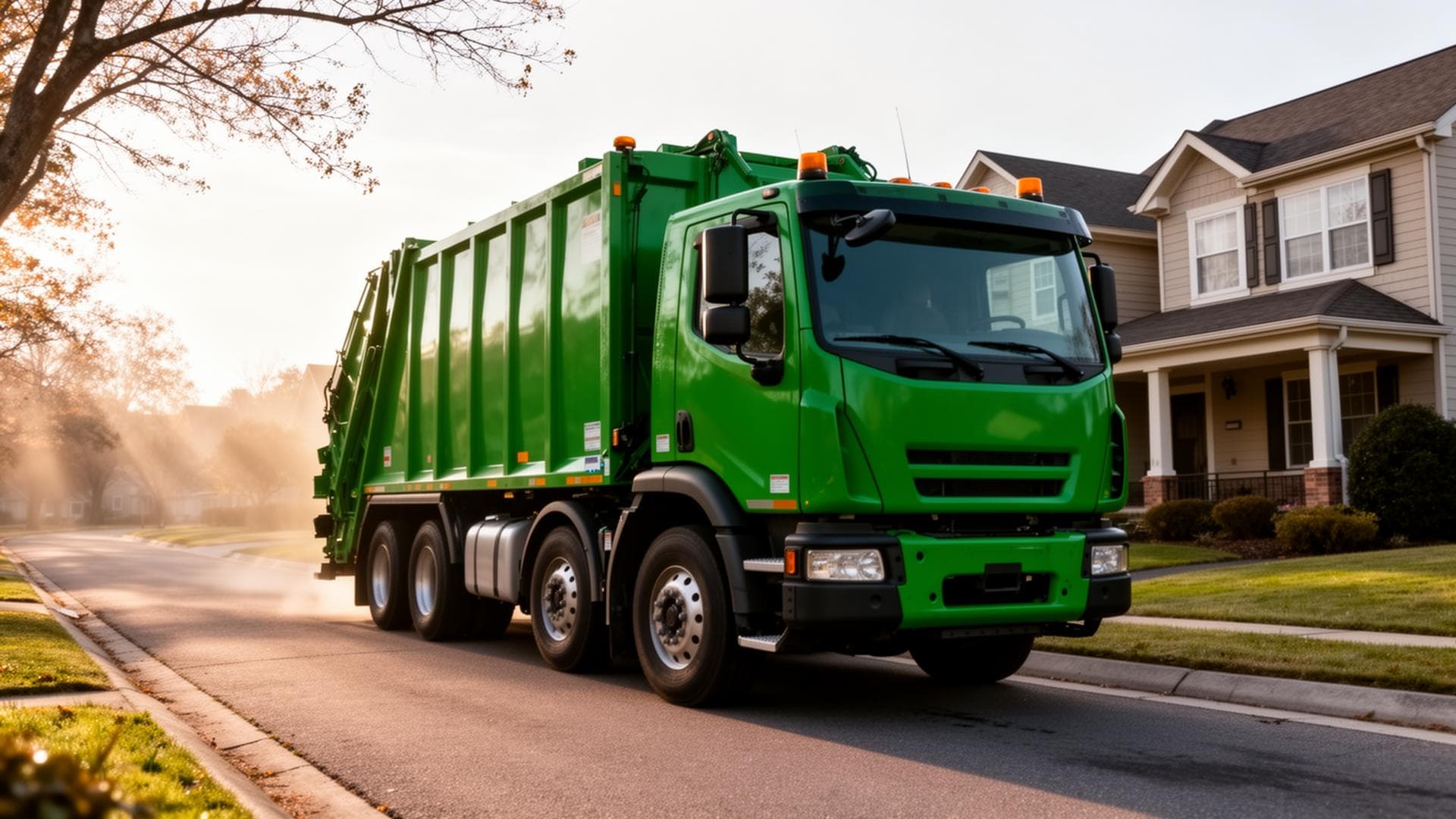
Why Are Garbage Truck Accidents So Dangerous?
Garbage trucks are among the most hazardous vehicles operating on residential streets. According to the Bureau of Labor Statistics, the waste collection industry has one of the highest fatality rates of any occupation. For the public, garbage truck dangers include: massive blind spots — rear-loading garbage trucks have virtually zero rear visibility, and even side-loading trucks have significant blind zones. Frequent stopping and starting — the stop-and-go nature of waste collection means these trucks are constantly accelerating, braking, and blocking lanes in residential areas. Workers on foot — waste collection workers walking alongside and behind the truck create additional pedestrian hazards. Hydraulic system hazards — compactor mechanisms and lifting arms can malfunction, dropping dumpsters or debris onto the roadway.
Who Operates Garbage Trucks and Why Does It Matter?
Garbage collection is handled by: Municipal sanitation departments — government-operated waste collection, which triggers sovereign immunity protections and notice-of-claim requirements. Private waste haulers — companies like Waste Management, Republic Services, and local contractors that operate under municipal contracts. Hybrid models — where the municipality contracts with private companies but maintains some oversight. The distinction matters because suing a government entity requires navigating tort claims act procedures, including shortened filing deadlines (often 30-180 days). Private waste haulers are sued like any other private company, though their municipal contracts may include indemnification provisions.
What Are the Most Common Garbage Truck Accident Scenarios?
The most frequent accident patterns include: Backing accidents — garbage trucks reversing in residential areas striking pedestrians, children, parked cars, and cyclists. Intersection collisions — operators running stops while focused on collection routes. Merging accidents — trucks pulling away from curbs into traffic without adequate mirror checks. Falling debris — improperly secured loads or overloaded trucks dropping waste onto roadways. Crush injuries to workers — sanitation workers struck by the truck itself or caught in compaction mechanisms, with bystanders sometimes injured as well.
How to Pursue a Garbage Truck Accident Claim
Report the accident to police immediately and note the truck's identifying information (company name, truck number, route number). Photograph the scene, including the truck's position, any debris, and visibility conditions. If the truck is government-operated, you must file a notice of claim within the statutory deadline — missing this deadline bars your claim permanently. Bond Legal has experience with both municipal and private waste hauler claims. Call (866) 423-7724 for a free consultation.