How Do Light Rail and Commuter Train Accidents Happen?
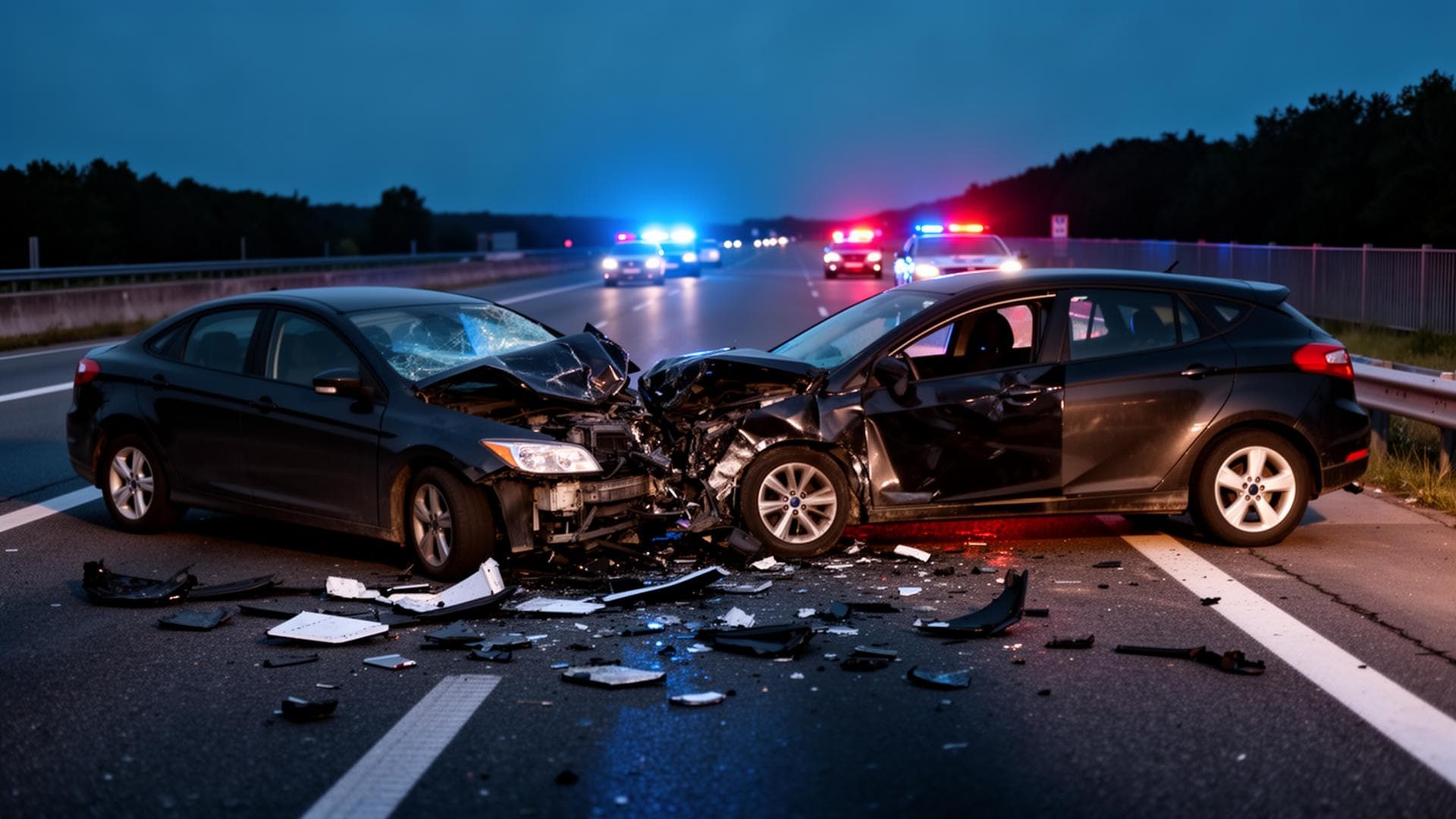
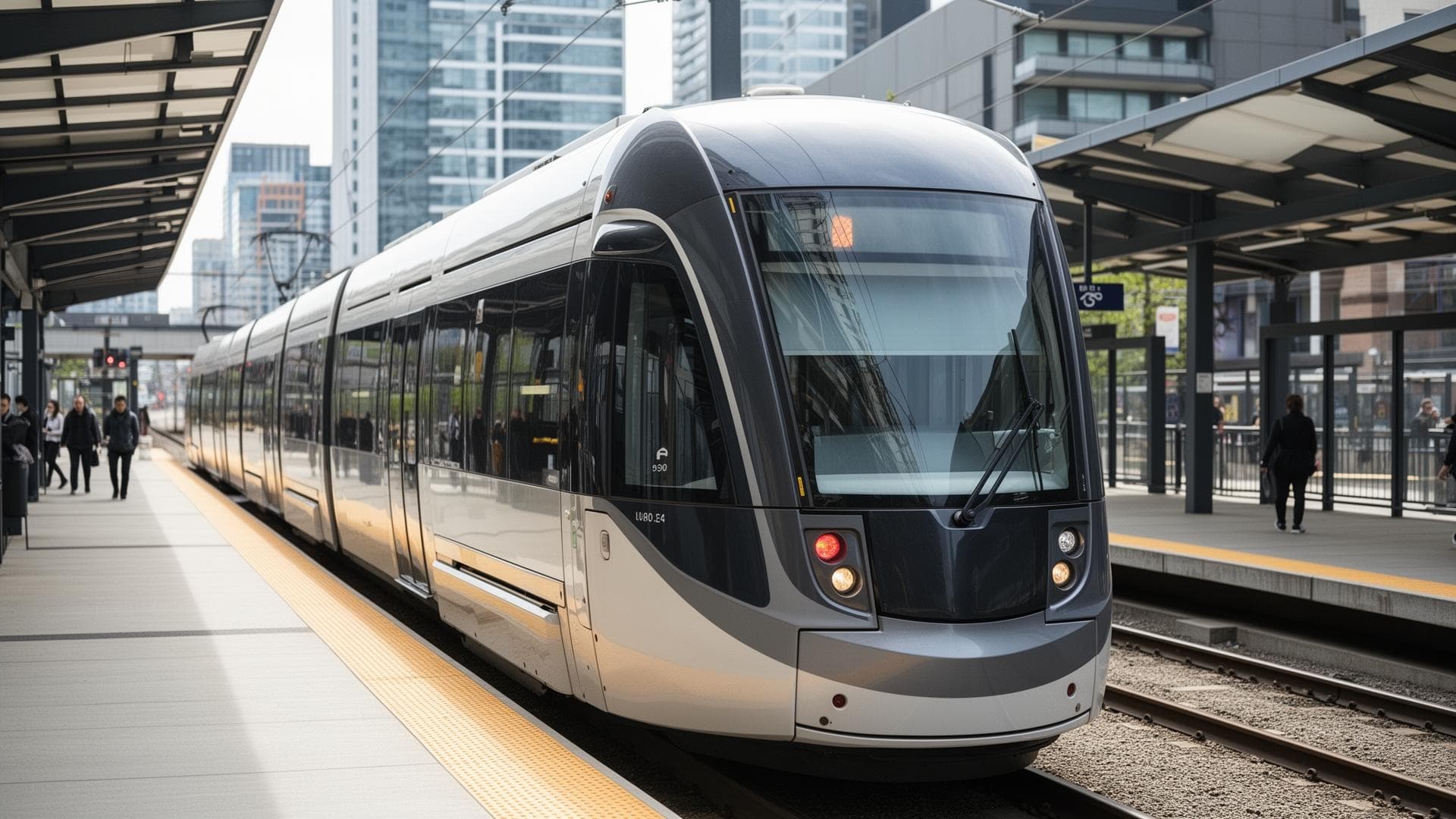
Light rail systems, commuter trains, and streetcars operate in major cities across the United States, carrying millions of passengers annually. Accidents occur through: collisions with vehicles at grade crossings and intersections where light rail shares the road, derailments caused by track defects, excessive speed, or operator error, platform accidents — passengers struck by trains, falling between the platform and train, or injured by closing doors, sudden stops and starts — passengers thrown from seats or handholds due to emergency braking, and pedestrian strikes — light rail vehicles operating in mixed-traffic zones striking pedestrians who may not hear the quiet electric trains approaching.
What Makes Light Rail Accident Cases Unique?
Light rail cases involve complexities not found in typical auto accident claims: Government ownership — most light rail systems are operated by government transit authorities, triggering notice-of-claim requirements and potential damage caps. Federal Railroad Administration (FRA) regulations — commuter rail systems are subject to federal safety standards, and violations can establish negligence per se. Multiple liable parties — the transit agency, the vehicle manufacturer (for design or manufacturing defects), maintenance contractors, and signal system operators may all share liability. Common carrier standard — transit agencies owe passengers the highest duty of care as common carriers.
What Are the Most Common Light Rail Injuries?
Light rail accidents produce a distinct injury profile: Traumatic brain injuries (TBI) from impacts with seats, poles, and windows during sudden stops or collisions. Spinal cord injuries from the forces involved in derailments. Crush injuries from platform gap incidents. Fractures and soft tissue injuries from falls within the train car. Amputation injuries in the most severe platform and crossing accidents. The mass and speed of light rail vehicles mean that even low-speed collisions can produce forces far exceeding those in passenger vehicle accidents.
How to Protect Your Rights After a Light Rail Accident
Report the incident to the transit authority immediately and obtain a copy of the incident report. Photograph the scene, your injuries, and any visible safety deficiencies (missing warning signs, broken gates, inadequate platform barriers). Get contact information from witnesses. Seek medical attention even if injuries seem minor — the adrenaline response after a transit accident can mask serious injuries. Contact Bond Legal at (866) 423-7724 — remember that government notice-of-claim deadlines may be as short as 30 days.