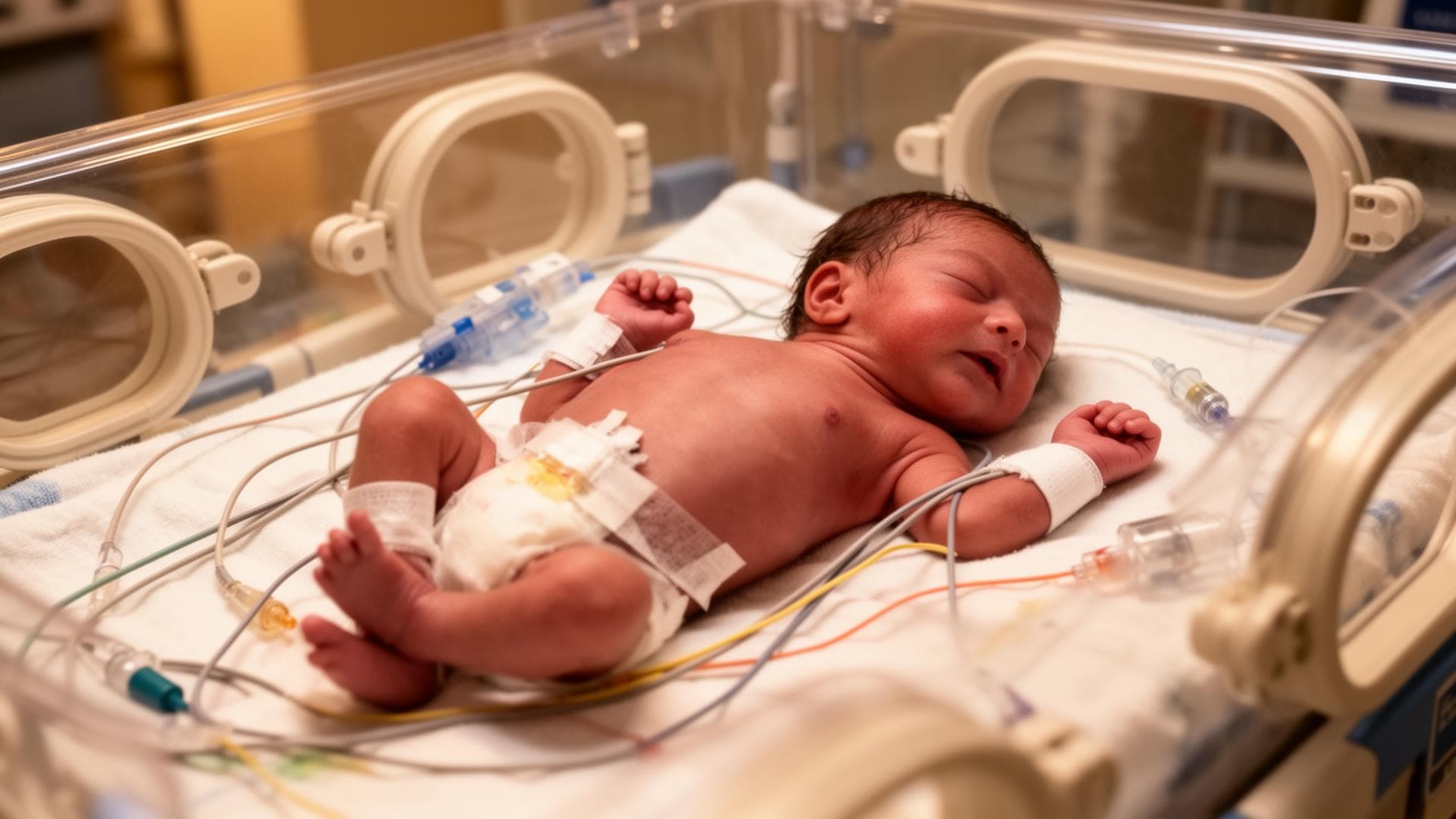
What Are the Most Common NICU Errors?
The Neonatal Intensive Care Unit is one of the highest-acuity environments in any hospital, caring for the most vulnerable patients — premature and critically ill newborns. While NICU teams are highly trained, the complexity of neonatal care creates significant opportunities for medical errors. According to research published in *Pediatrics* (the journal of the American Academy of Pediatrics), medication errors occur at a rate of approximately 5–10 per 100 NICU admissions, with dosing errors being the most common category due to the extreme precision required when calculating doses for patients weighing as little as 500 grams.
The most frequently reported types of NICU negligence include: Medication dosing errors — neonates require weight-based dosing calculations that differ dramatically from adult or even pediatric dosing. A tenfold dosing error (a well-documented phenomenon in neonatal care) can be fatal. Common medications involved include aminoglycoside antibiotics, opioids, insulin, and heparin. Delayed sepsis recognition — neonatal sepsis can progress from subtle symptoms to septic shock within hours. Failure to recognize early warning signs (temperature instability, feeding intolerance, lethargy, tachycardia) and initiate empiric antibiotics promptly can result in meningitis, organ damage, or death. Failure to screen for Retinopathy of Prematurity (ROP) — the AAP and AAO jointly recommend ROP screening for infants born before 31 weeks gestational age or weighing less than 1,500 grams. Failure to screen, delayed screening, or failure to refer for laser treatment can result in permanent vision loss or blindness. Necrotizing Enterocolitis (NEC) mismanagement — NEC is a devastating intestinal disease primarily affecting premature infants. Failure to recognize early signs (abdominal distension, feeding intolerance, bloody stools) and initiate bowel rest and antibiotics can lead to bowel perforation, surgery, short bowel syndrome, or death.
How Do Medication Errors Happen in the NICU?
NICU medication errors arise from a unique convergence of risk factors. Neonatal doses are often 1/100th or 1/1000th of adult doses, requiring multiple dilution steps that introduce calculation errors. Many neonatal medications are not commercially available in neonatal-appropriate concentrations, requiring pharmacy compounding. Weight fluctuations in premature infants mean doses must be recalculated frequently. High nurse-to-patient ratios in understaffed NICUs increase the risk of administration errors. The ISMP (Institute for Safe Medication Practices) has identified neonatal units as one of the highest-risk settings for medication errors in hospitals.
What Is Retinopathy of Prematurity and Why Is Screening Critical?
Retinopathy of Prematurity (ROP) is an abnormal blood vessel growth in the retina of premature infants that can lead to retinal detachment and permanent blindness if not detected and treated promptly. The AAP/AAO/AAPOS joint policy statement (2018, reaffirmed 2023) establishes clear screening criteria: infants born at ≤30 weeks gestational age or ≤1,500 grams birth weight should receive their first ROP exam at 31 weeks postmenstrual age or 4 weeks chronological age (whichever is later). When screening reveals treatable ROP (typically Stage 3+ or aggressive posterior ROP), laser photocoagulation or anti-VEGF injection must occur within 48–72 hours. Failure to adhere to these screening timelines is a well-established basis for medical malpractice claims when blindness results.
What Are the Signs That NICU Negligence May Have Occurred?
Parents should be alert to potential indicators of substandard NICU care: unexplained deterioration after a period of stability, conflicting explanations from different providers about what happened, reluctance by staff to share medical records or discuss events openly, the baby developing a condition (such as blindness from ROP) that should have been prevented by standard screening protocols, and unexpected transfers to higher-level NICUs suggesting the original facility could not manage the baby's condition. If you suspect your baby received substandard care in the NICU, request complete copies of all medical records — including nursing notes, medication administration records (MARs), and monitoring data — before discharge.
How Do Families Pursue NICU Negligence Claims?
Birth injury and NICU malpractice claims require expert medical review to establish that the standard of care was breached and that the breach caused the baby's injury. Bond Legal works with board-certified neonatologists, pediatric neurologists, and pediatric ophthalmologists to evaluate potential claims. The statute of limitations for medical malpractice claims involving minors is often extended in many states — in some cases until the child reaches a certain age — but families should consult an attorney promptly to preserve evidence and protect their rights. Call (866) 423-7724 for a free, confidential case evaluation.