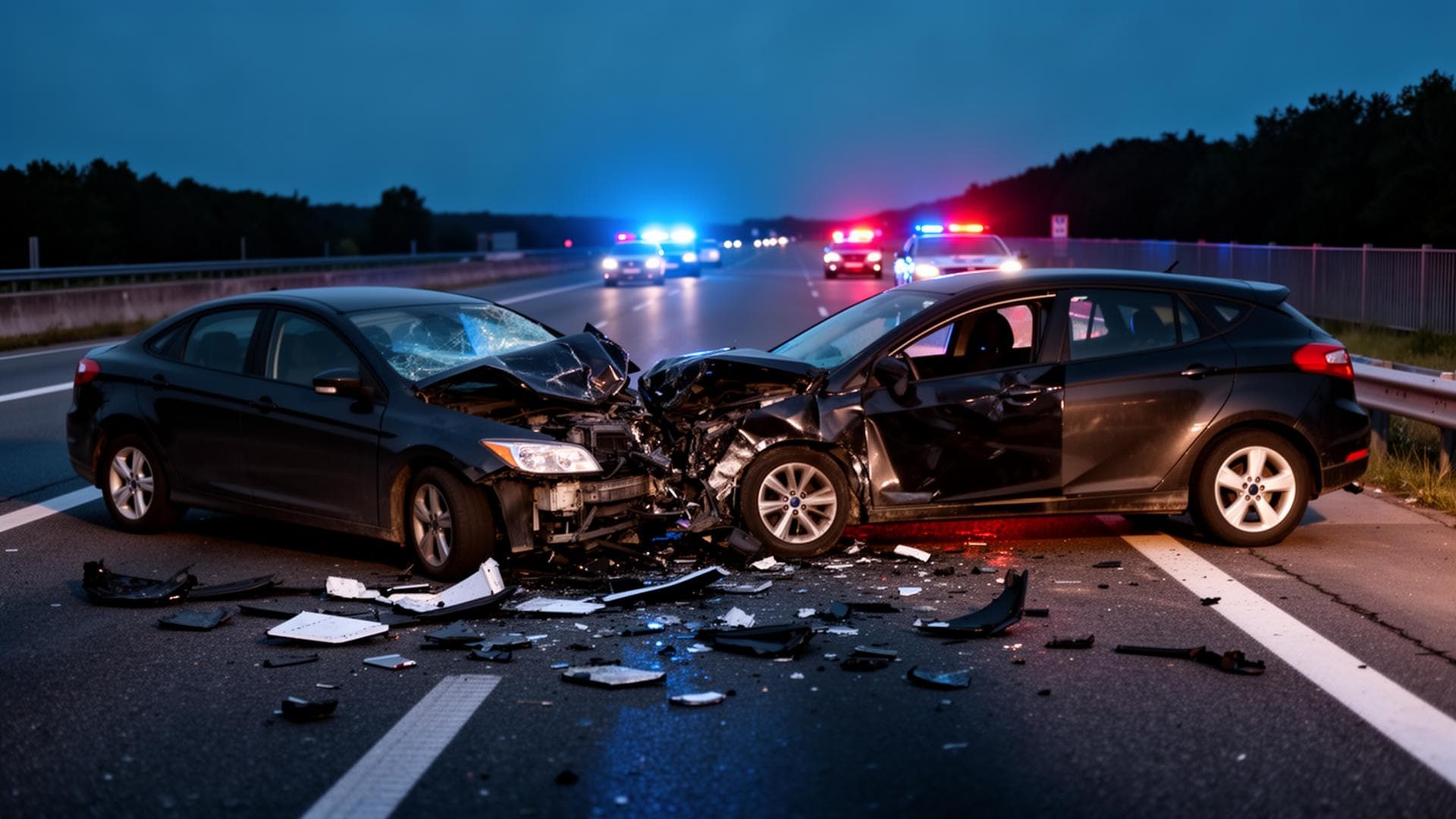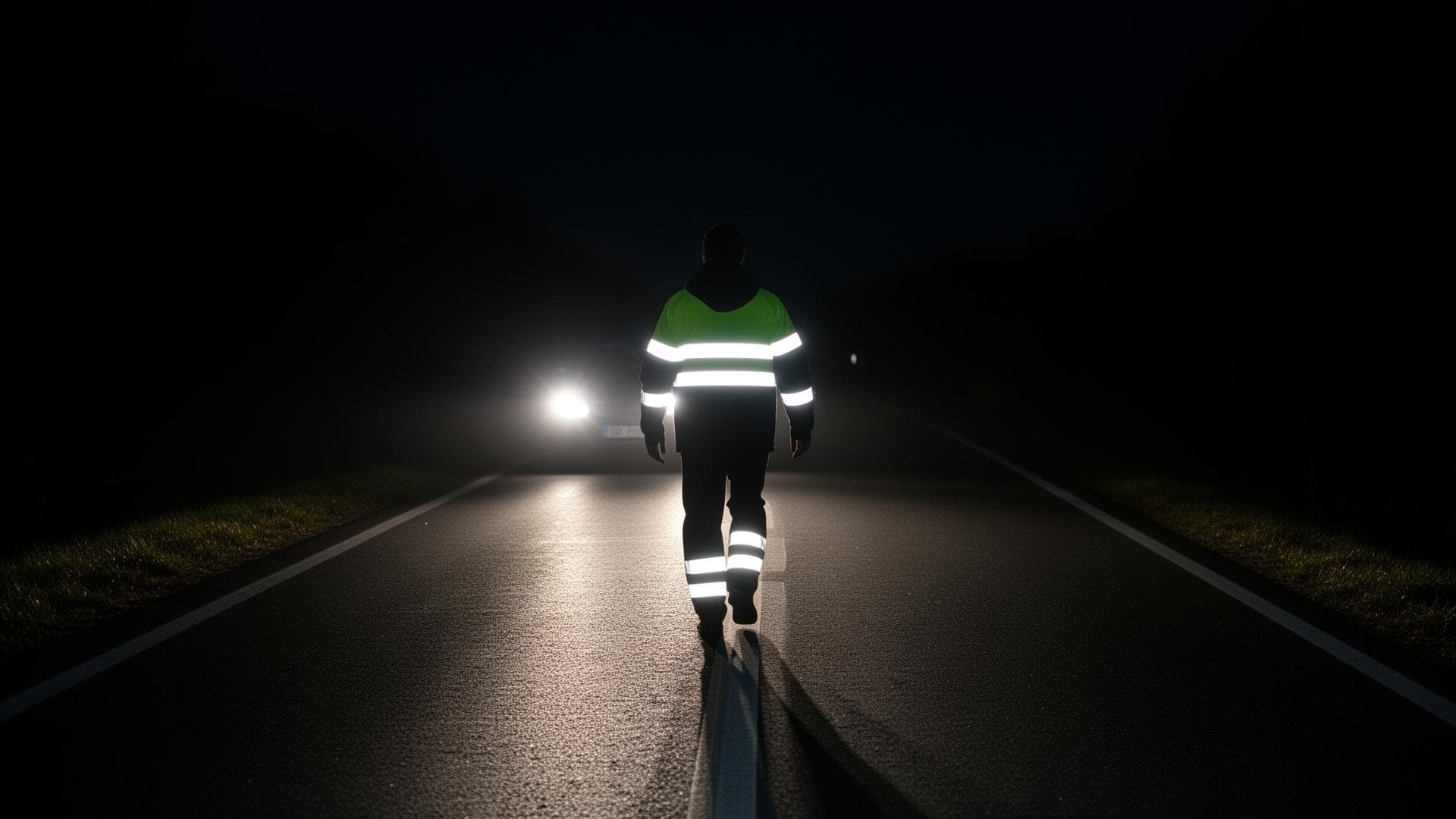
The Danger After Dark
According to NHTSA data, approximately 75% of all pedestrian fatalities occur during nighttime or low-light conditions. The combination of reduced visibility, driver fatigue, impaired driving (DUI rates spike after dark), and higher vehicle speeds creates a deadly environment for pedestrians.
Despite these statistics, nighttime pedestrian accidents are not automatic 'blame the pedestrian' cases. Drivers have a legal duty to operate their vehicles safely in all conditions — including darkness — and must use headlights, reduce speed, and remain alert for pedestrians.
Common Causes of Nighttime Pedestrian Accidents
Key factors include: Inadequate street lighting — municipalities have a duty to maintain safe lighting on public roads. Burned-out streetlights, poorly lit intersections, and dark stretches of road can make the government liable. Impaired driving — nearly half of all fatal pedestrian crashes involve a driver or pedestrian with a blood alcohol level of .08 or higher. Distracted driving — a phone screen in a dark car is especially blinding, reducing the driver's ability to spot pedestrians. Failure to use headlights — some drivers forget to activate headlights at dusk or drive with only daytime running lights (which don't illuminate the road ahead). Dark clothing — while wearing reflective gear is advisable, the absence of reflective clothing does not make the pedestrian at fault. Comparative negligence may reduce damages in some states, but drivers are still expected to see what their headlights illuminate.
Liability in Low-Visibility Accidents
Several parties may share liability: The driver — for failing to slow down in dark conditions, not using high beams on unlit roads, or driving while impaired or distracted. The municipality — for failing to maintain street lighting, missing crosswalk markings, or inadequate signage. Property owners — businesses or homeowners whose landscaping, signage, or structures obstruct visibility near roads. Vehicle manufacturers — in rare cases, defective headlight systems or auto-dimming features that fail.
Comparative Negligence and 'Jaywalking'
Insurance companies frequently argue that a pedestrian struck at night was 'jaywalking' or wearing dark clothing. While pedestrians are expected to use crosswalks where available, jaywalking alone does not eliminate the driver's duty of care. Under comparative negligence laws (used in most states), the pedestrian's recovery may be reduced by their percentage of fault — but they can still recover. In pure comparative negligence states (California, New York, Florida, Washington), even a pedestrian found 90% at fault can recover 10% of their damages. In modified comparative negligence states (Texas, Ohio, Georgia, Illinois), recovery is barred if the pedestrian is 50% or 51% or more at fault. In a handful of contributory negligence states (Virginia, Maryland, North Carolina), any fault by the pedestrian bars recovery entirely.
Steps to Protect Your Claim After a Nighttime Accident
Document the lighting conditions at the scene. Note whether streetlights were functioning. Photograph the roadway, crosswalks, and any obstructions. Check for nearby security cameras. Get the police report — officers typically note lighting conditions. Seek immediate medical attention. Contact Bond Legal at (866) 423-7724 for a free, confidential case review.