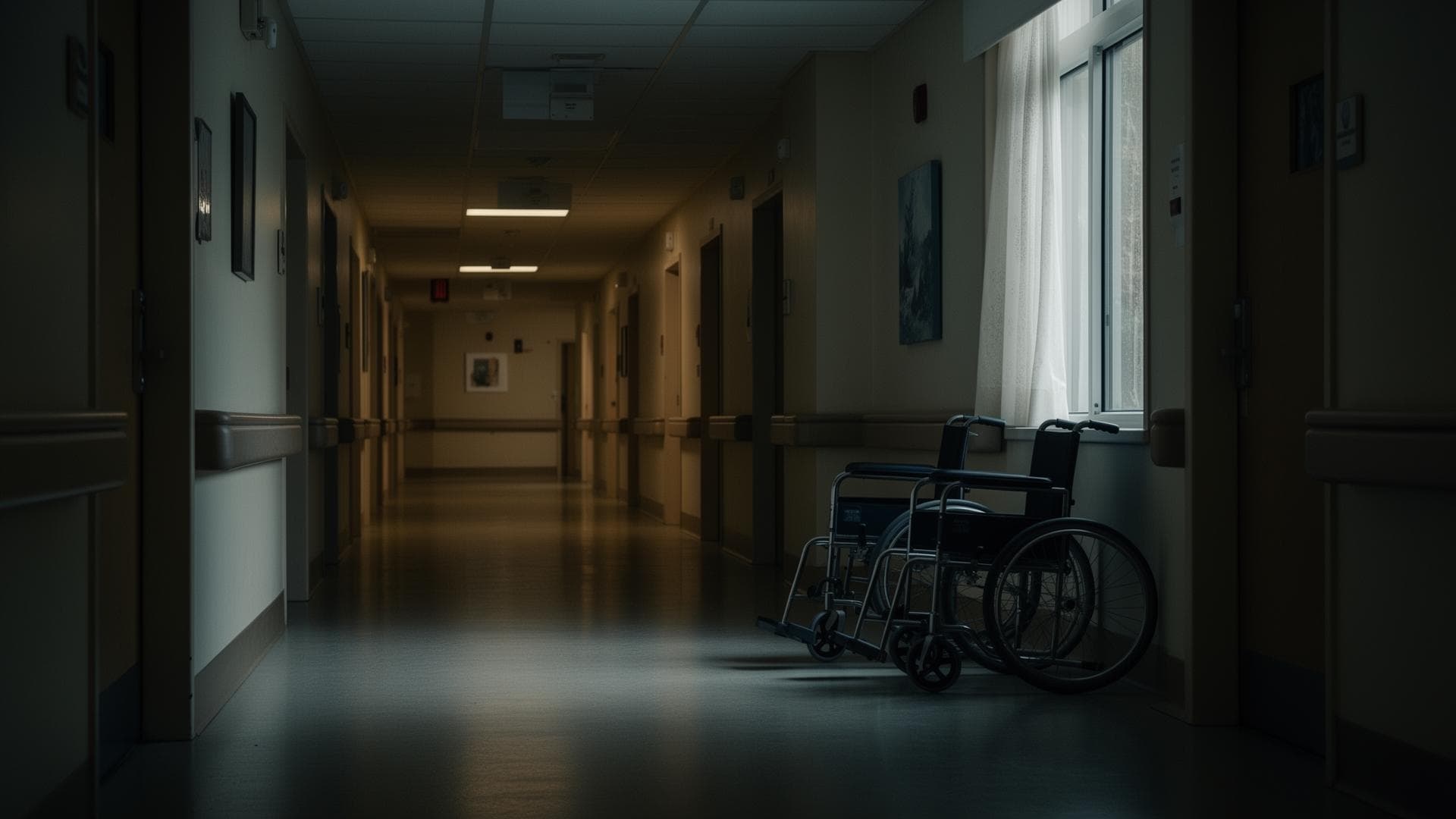
The Scope of Nursing Home Abuse in America
The World Health Organization estimates that approximately 1 in 6 people aged 60 and older experience some form of abuse in community settings, and rates in institutional settings like nursing homes may be even higher. The National Center on Elder Abuse reports that for every case of elder abuse reported, approximately 23 cases go unreported. With over 1.3 million Americans residing in approximately 15,600 nursing homes (CDC National Center for Health Statistics), the scale of potential harm is enormous.
Types of Nursing Home Abuse and Neglect
Nursing home mistreatment falls into several categories:\n\nPhysical abuse — Hitting, pushing, slapping, inappropriate use of physical restraints, rough handling during transfers. Warning signs: unexplained bruises, fractures, welts; bruises in unusual locations (inner arms, torso); injuries in various stages of healing.\n\nNeglect — Failure to provide adequate food, water, hygiene, medication, medical care, or supervision. Warning signs: unexplained weight loss, dehydration, bedsores (pressure ulcers), soiled clothing/bedding, untreated medical conditions, poor hygiene.\n\nEmotional/psychological abuse — Verbal threats, humiliation, intimidation, isolation from family and friends. Warning signs: withdrawal, depression, anxiety, fearfulness around certain staff, sudden behavioral changes.\n\nSexual abuse — Non-consensual sexual contact of any kind. Warning signs: unexplained genital infections, bruising in genital area, torn undergarments, behavioral changes.\n\nFinancial exploitation — Theft, unauthorized use of funds, coercion to change wills or power of attorney. Warning signs: unexplained withdrawals, missing personal belongings, sudden changes to legal documents.\n\nMedical neglect — Failure to administer prescribed medications, failure to provide necessary medical treatments, ignoring changes in condition. Warning signs: worsening medical conditions, medication errors, missed appointments.
The #1 Indicator: Pressure Ulcers (Bedsores)
Pressure ulcers (bedsores/decubitus ulcers) are the single most common indicator of nursing home neglect. They develop when sustained pressure on the skin reduces blood flow, causing tissue damage and death. Pressure ulcers are classified in four stages:\n- Stage 1: Non-blanchable redness of intact skin\n- Stage 2: Partial-thickness skin loss (blister or shallow open wound)\n- Stage 3: Full-thickness skin loss — fat may be visible, but bone, tendon, and muscle are not exposed\n- Stage 4: Full-thickness tissue loss with exposed bone, tendon, or muscle\n\nStage 3 and 4 pressure ulcers in a nursing home setting are almost always evidence of neglect. CMS (Centers for Medicare & Medicaid Services) has identified the development of pressure ulcers as a key quality indicator in nursing home oversight.
Federal and State Regulations Protecting Residents
Nursing home residents are protected by a comprehensive regulatory framework:\n- Federal Nursing Home Reform Act (OBRA 1987) — Establishes a 'Residents' Bill of Rights' guaranteeing dignity, self-determination, and freedom from abuse, neglect, and chemical restraints\n- 42 CFR Part 483 — Federal regulations governing nursing facility standards, including staffing requirements, care planning, infection control, and quality assurance\n- State licensing laws — Each state has additional regulations and enforcement mechanisms through its Department of Health or equivalent agency\n- CMS Conditions of Participation — Facilities must meet these conditions to receive Medicare/Medicaid reimbursement; violations can result in fines, sanctions, or decertification
How to Check a Nursing Home's Record
Before placing a loved one in a facility — or if you suspect problems — check these public resources:\n- Medicare's Care Compare (medicare.gov/care-compare) — Star ratings, inspection results, staffing data, and quality measures for every Medicare-certified nursing home\n- State survey reports — Available through your state's Department of Health; document specific deficiencies found during inspections\n- Staffing data — CMS Payroll-Based Journal (PBJ) data reveals actual nurse-to-resident ratios; research consistently links understaffing to higher rates of neglect\n- State ombudsman — Every state has a Long-Term Care Ombudsman Program that investigates complaints and advocates for residents
Legal Options: Who Can Be Held Liable?
Nursing home abuse and neglect cases can target multiple defendants:\n- The nursing home facility — Direct liability for negligent hiring, training, supervision, and staffing decisions\n- Corporate parent companies — Many nursing homes are owned by large corporate chains; piercing the corporate veil or establishing direct operational control can reach deeper pockets\n- Individual staff members — Direct liability for the abusive or negligent conduct; potential criminal liability\n- Attending physicians — Medical malpractice for failure to properly manage the resident's care\n- Third-party contractors — Companies providing pharmacy, therapy, or other services to the facility
Damages in Nursing Home Cases
Damages in nursing home abuse and neglect cases may include:\n- Medical expenses — Treatment for injuries caused by abuse/neglect (wound care, hospitalization, surgery)\n- Pain and suffering — Physical pain and emotional distress experienced by the resident\n- Wrongful death — If the resident died as a result of abuse or neglect\n- Punitive damages — Available in many states when the facility's conduct was especially egregious or demonstrated a pattern of neglect\n- Statutory penalties — Some states provide statutory per-day penalties for violations of resident rights\n\nWhile every case is unique and past results do not guarantee similar outcomes, nursing home abuse cases involving death or serious injury frequently settle in the $500,000–$5,000,000+ range.
What to Do If You Suspect Abuse or Neglect
If you suspect your loved one is being abused or neglected in a nursing home:\n1. Document everything — Photograph injuries, keep a log of observations, save communications with staff\n2. Report to the facility — File a formal written complaint with the administrator\n3. Contact Adult Protective Services (APS) — Every state has an APS hotline for reporting suspected elder abuse\n4. File a complaint with the state survey agency — Your state's Department of Health investigates facility complaints\n5. Contact law enforcement — If you suspect criminal conduct (physical or sexual abuse)\n6. Consult an attorney — An experienced nursing home abuse attorney can investigate, preserve evidence, and pursue legal action
How Bond Legal Handles Nursing Home Cases
Bond Legal represents families of nursing home residents who have been harmed by abuse and neglect. We investigate staffing records, survey histories, and facility ownership structures to build comprehensive cases. Our clients pay no attorney fees unless we recover compensation for them. Contact us at (866) 423-7724 for a confidential case evaluation.