If you were injured as a passenger in an Uber or Lyft vehicle, you are in the strongest possible legal position of any rideshare accident victim. You weren't driving. You bear zero fault. And you have access to the maximum insurance coverage available. But that doesn't mean recovering fair compensation is automatic — it requires understanding your rights and taking the right steps.
Why Passenger Claims Are the Strongest
Zero comparative fault: Unlike drivers who may face arguments about their own negligence (speeding, distraction, failure to yield), passengers were simply riding. No insurer can argue you were at fault for the crash. Maximum coverage in effect: During an active ride (Period 3), the full $1 million commercial liability policy is active. Whether the rideshare driver or another driver caused the crash, you have access to significant insurance coverage. Multiple recovery sources: You can potentially recover from Uber/Lyft's commercial policy, the at-fault driver's personal insurance, your own UM/UIM coverage, and your health insurance.
Common Passenger Injuries
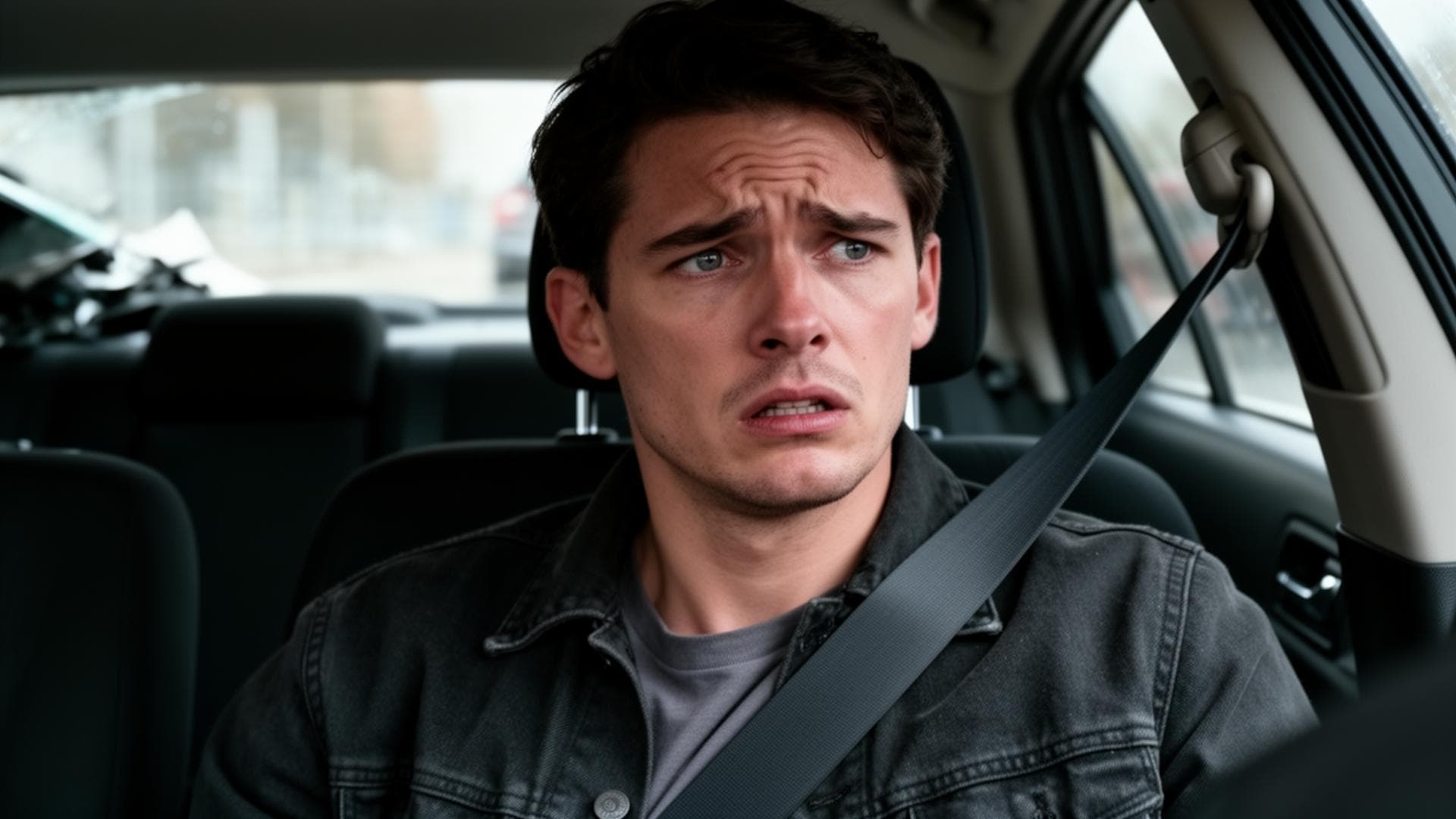
Rideshare passengers face unique injury risks that most people don't consider: Back seat vulnerability — most vehicle safety engineering focuses on front occupants. Rear seats have fewer airbags, less crumple zone protection, and older seatbelt technology. Head and neck injuries — sudden impacts throw unrestrained heads into windows, doors, or the front seatback. Whiplash, concussions, and cervical spine injuries are extremely common. Seatbelt injuries — the forces of a crash can cause significant bruising, rib fractures, and internal injuries from the seatbelt itself. Psychological trauma — PTSD, driving anxiety, and panic attacks are frequently reported by rideshare accident survivors.
The Critical First Steps
1. Screenshot your ride details before closing the app — driver name, license plate, trip route, timestamps. 2. Call 911 and request a police report that documents you were a rideshare passenger. 3. Seek medical treatment within 24 hours — even if you feel fine. 4. Report through the rideshare app to create an official timestamp. 5. Do NOT give recorded statements to any insurance company. 6. Contact an attorney before accepting any settlement offer.
What Compensation Can Passengers Recover?
Rideshare passenger injury claims typically include: all medical expenses (past and future), lost wages and diminished earning capacity, pain and suffering, emotional distress and PTSD, loss of enjoyment of life, and in severe cases, long-term care costs. Settlement ranges vary widely based on injury severity: minor soft tissue injuries ($15,000-$50,000), moderate injuries requiring treatment ($50,000-$200,000), injuries requiring surgery ($100,000-$500,000), and catastrophic injuries ($500,000-$1,000,000+).
The SB 371 Warning for California Passengers
If you're a rideshare passenger in California and the crash is caused by an uninsured or underinsured third-party driver, be aware that as of January 2026, the UM/UIM coverage from Uber/Lyft dropped from $1M to $60,000 per person. This makes your own personal UM/UIM coverage critically important. Even if you don't own a car, a non-owner auto policy with UM/UIM coverage ($300-$600/year) can provide essential backup protection.
Don't Accept a Quick Settlement
After a rideshare accident, Uber or Lyft's insurance company may contact you with a quick settlement offer. These offers are almost always far below the true value of your claim — they're designed to close the file before you understand the full extent of your injuries. Many injuries (disc herniations, TBI symptoms, soft tissue damage) don't fully manifest for weeks or months. Settling too early means you can't go back and ask for more.
Bond Legal represents rideshare passengers nationwide. Free consultation, no attorney fees unless we recover compensation for you. Call (866) 423-7724.