School Bus Safety and Accident Statistics
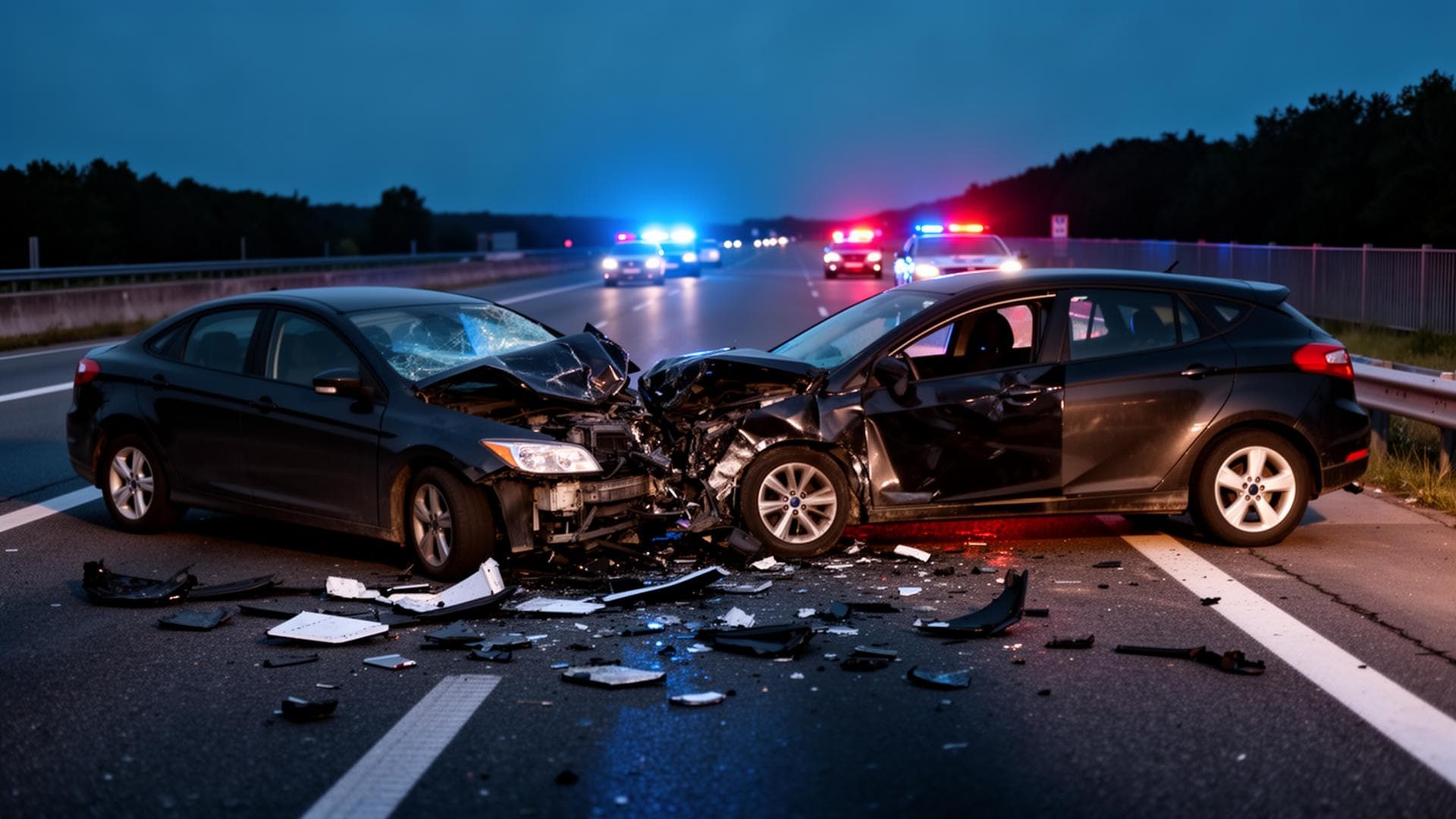
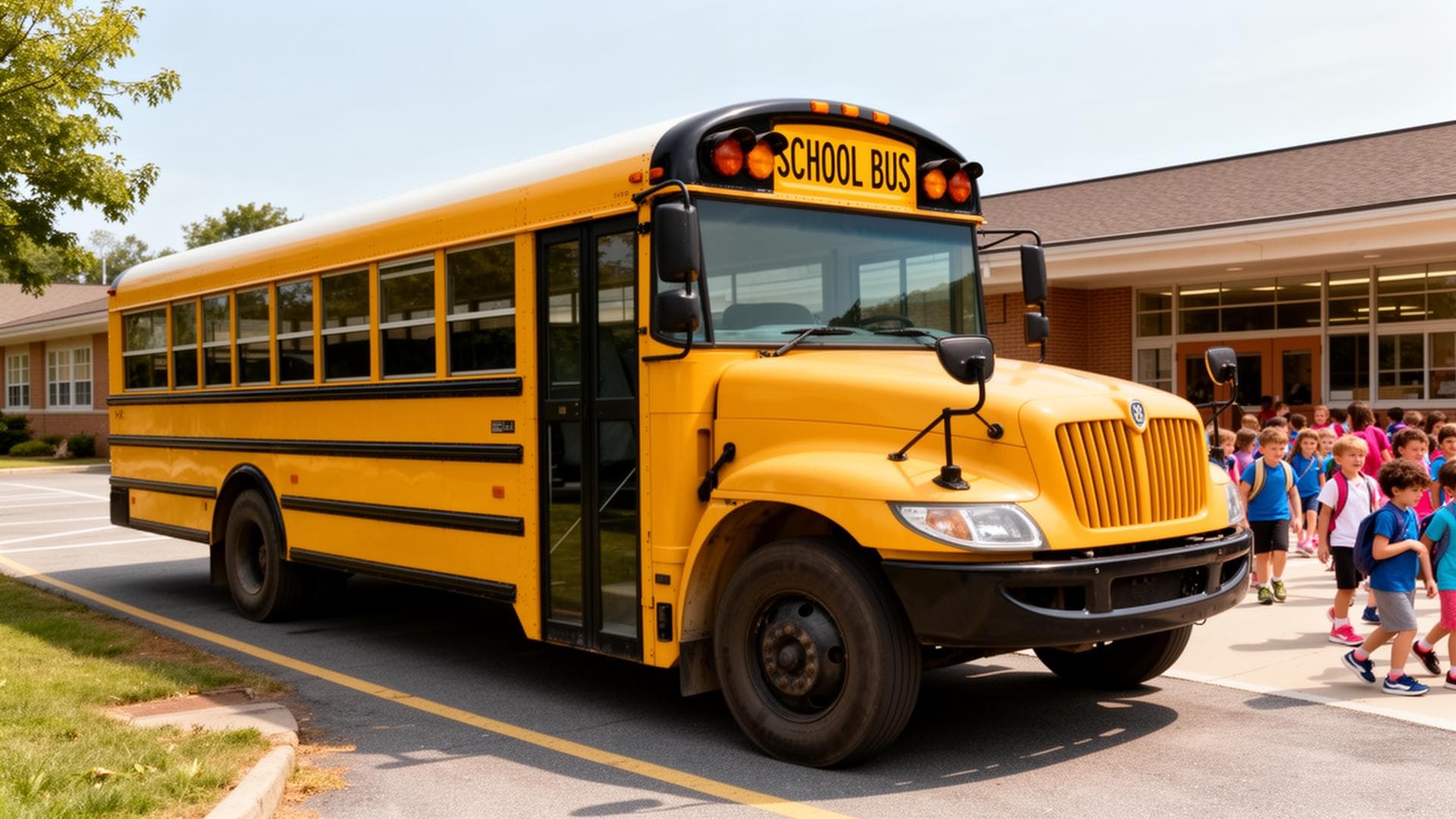
While school buses are statistically among the safest forms of transportation — roughly 6 times safer than riding in a family car, according to the National School Transportation Association — accidents do happen. The NHTSA reports approximately 26,000 school bus-related crashes per year, resulting in injuries to students, pedestrians, and occupants of other vehicles.
The majority of school-bus-related fatalities involve pedestrians (often children) struck while loading or unloading — not passengers inside the bus. This creates unique liability scenarios involving the bus driver, school district, other drivers, and crossing guards.
Government Immunity and Filing Deadlines
Most school buses are operated by public school districts, making them government entities. This triggers sovereign immunity protections that create special rules for filing claims. Tort claim notices: Before you can sue a government entity, you must file an administrative tort claim within strict deadlines that vary by state. In California and Texas, this deadline is 6 months from the date of the accident. In New York, it's just 90 days. In Florida, it's 3 years but with specific pre-suit notice requirements. Other states range from 60 days to 2 years. Damage caps: Some states cap the amount you can recover from government entities — for example, Texas caps at $250,000 per person and $500,000 per occurrence for non-school-district governmental units. Required procedures: Missing any procedural step can permanently bar your claim, regardless of how strong the case is.
Common Causes of School Bus Accidents
Accidents typically involve: Other drivers violating stop-arm laws — passing a school bus with its stop arm extended and red lights flashing is illegal in all 50 states, yet the National School Bus Loading/Unloading Survey estimates that 17 million stop-arm violations occur each school year. Bus driver negligence — distracted driving, speeding, improper turns, failure to activate stop signals. Mechanical failure — brake failures, tire blowouts, defective stop arms. School district negligence — inadequate driver training, failure to maintain vehicles, poorly designed bus routes or stops. Road hazards — poorly maintained roads, missing signage near school zones.
The Seatbelt Debate
Most school buses do not have individual lap-shoulder belts. Instead, they use 'compartmentalization' — closely spaced, high-backed, energy-absorbing seats designed to protect children in frontal crashes. However, compartmentalization provides minimal protection in side-impact crashes, rollovers, and ejection scenarios. Several states are beginning to require seatbelts on new school buses.
If your child has been injured in a school bus accident, time-sensitive deadlines may apply. Contact Bond Legal at (866) 423-7724 immediately for a free case evaluation.