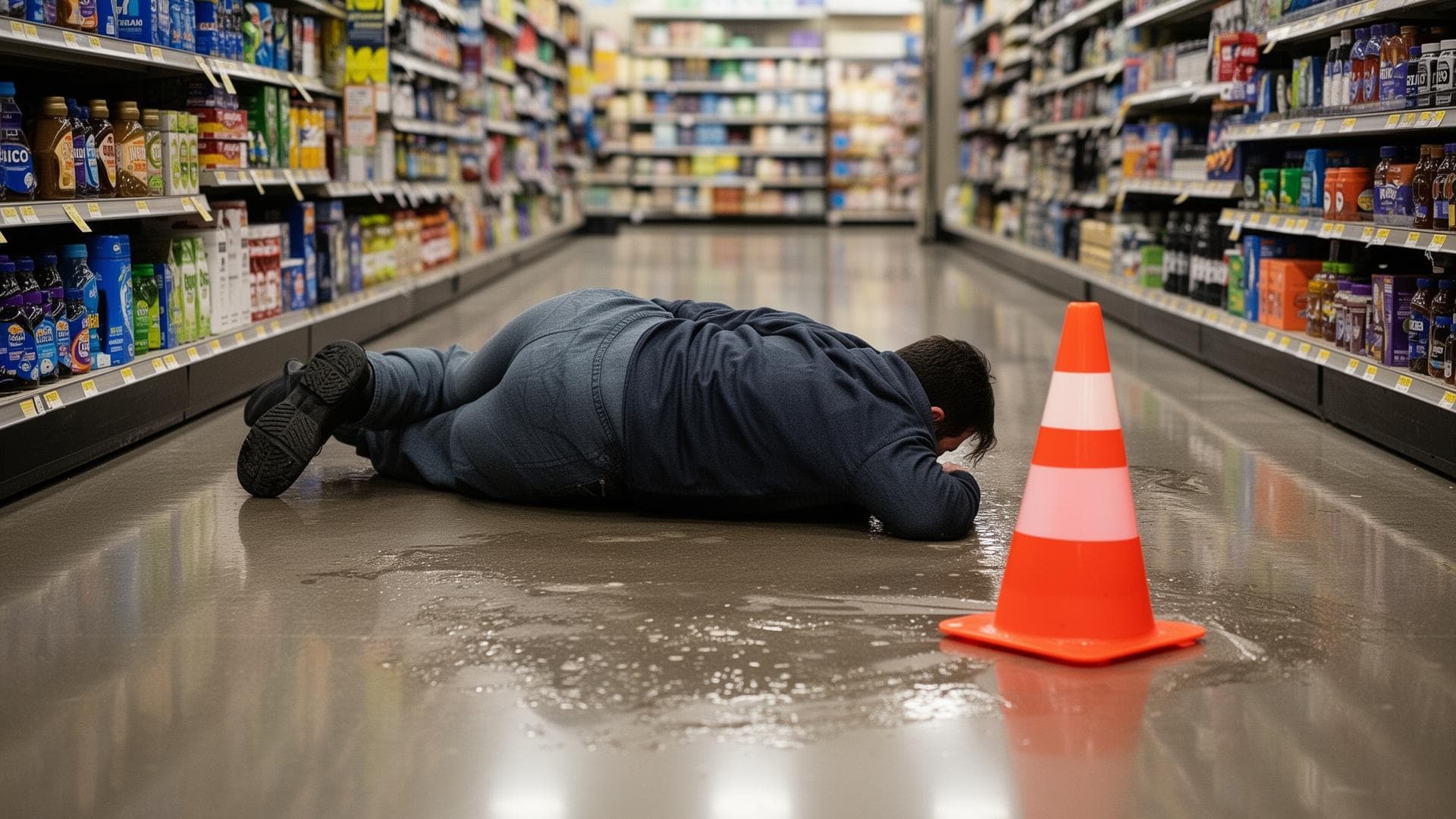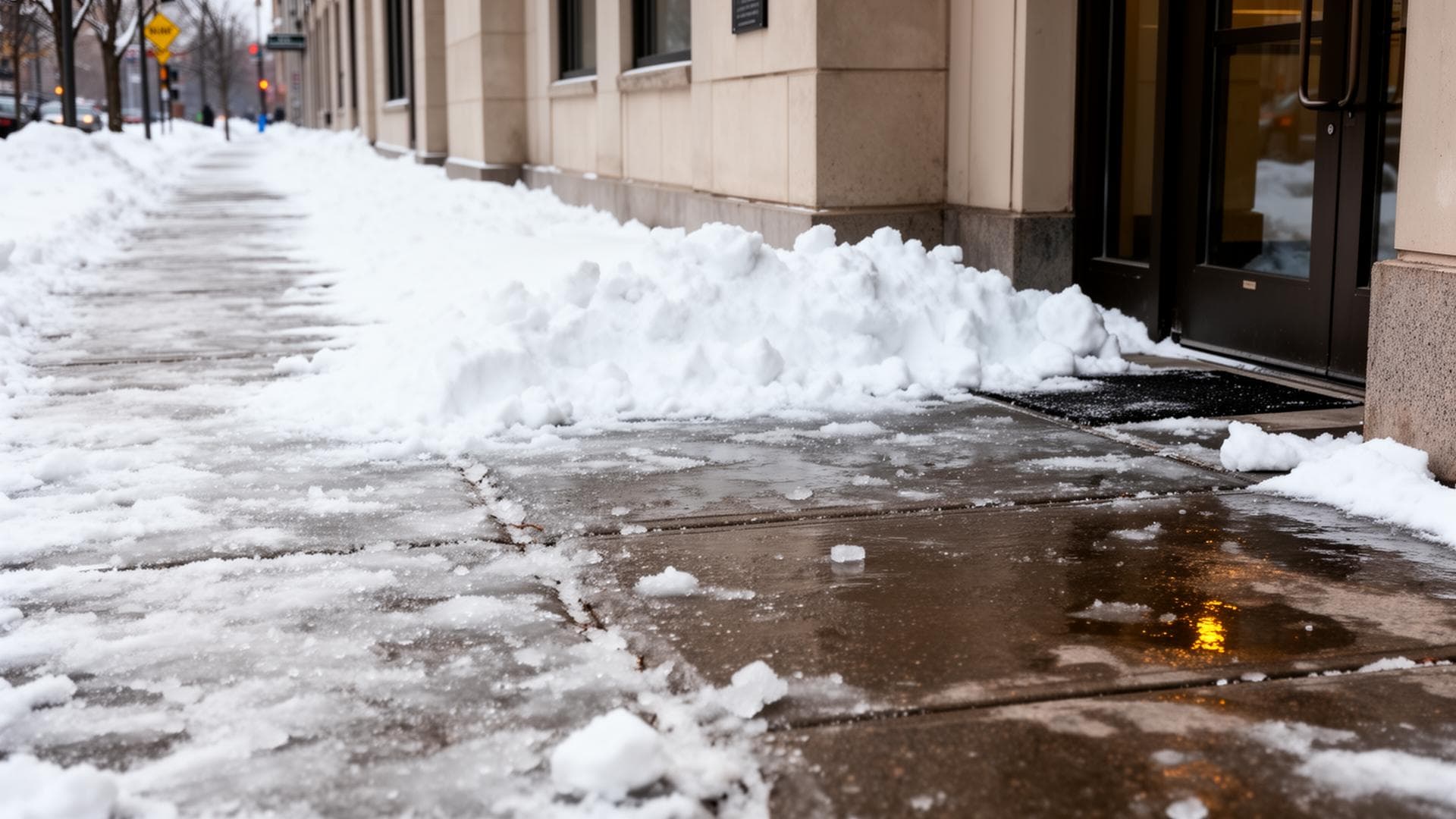
How Dangerous Are Snow and Ice Slip and Fall Accidents?
Winter weather slip and fall accidents are among the most injurious types of premises liability incidents. The CDC reports that over 1 million Americans are injured annually from falls, with ice and snow-related falls representing a substantial share during winter months. Common injuries include: hip fractures (particularly devastating for elderly victims), traumatic brain injuries from striking the head on ice or pavement, spinal cord injuries, wrist and arm fractures from bracing during a fall, and knee injuries including ACL and meniscus tears.
What Is the Property Owner's Duty to Remove Snow and Ice?
Property owner responsibilities vary significantly by state and municipality. Most jurisdictions require commercial property owners to take reasonable steps to remove snow and ice from walkways, parking lots, and entryways within a reasonable time after the storm ends. Residential property owner duties vary — some cities impose affirmative duties to shovel sidewalks within a specified timeframe (typically 24-48 hours after snowfall), while others provide broader protections for homeowners. Key legal concepts include: The natural accumulation rule — in some states, property owners are not liable for injuries caused by natural accumulations of snow and ice that have not been disturbed. However, if the owner's actions create an unnatural accumulation (e.g., snow plowing that creates ice dams, or roof drainage that creates ice patches on walkways), liability attaches.
When Are Businesses Liable for Ice-Related Falls?
Businesses face heightened liability because they invite customers onto their premises for commercial purposes. Courts generally find businesses liable when: they failed to salt, sand, or treat walkways after a storm, they allowed snow melt to refreeze overnight without treatment, their drainage systems created ice accumulations on customer walkways, they failed to provide mats or traction at entrances where customers track in snow, or they failed to post warning signs about known icy conditions. Snow removal contractors may also be liable if their work created additional hazards or they failed to perform contracted services.
What Should You Do After a Winter Slip and Fall?
Document the conditions immediately: photograph the ice or snow, note the weather conditions, check whether salt or sand had been applied, identify any surveillance cameras, report the incident to the property owner, and seek medical attention. Evidence disappears quickly in winter weather — temperatures change, ice melts, snow is plowed. Contact Bond Legal at (866) 423-7724 as soon as possible to preserve critical evidence.