Train and Light Rail Accidents: A Unique Legal Challenge
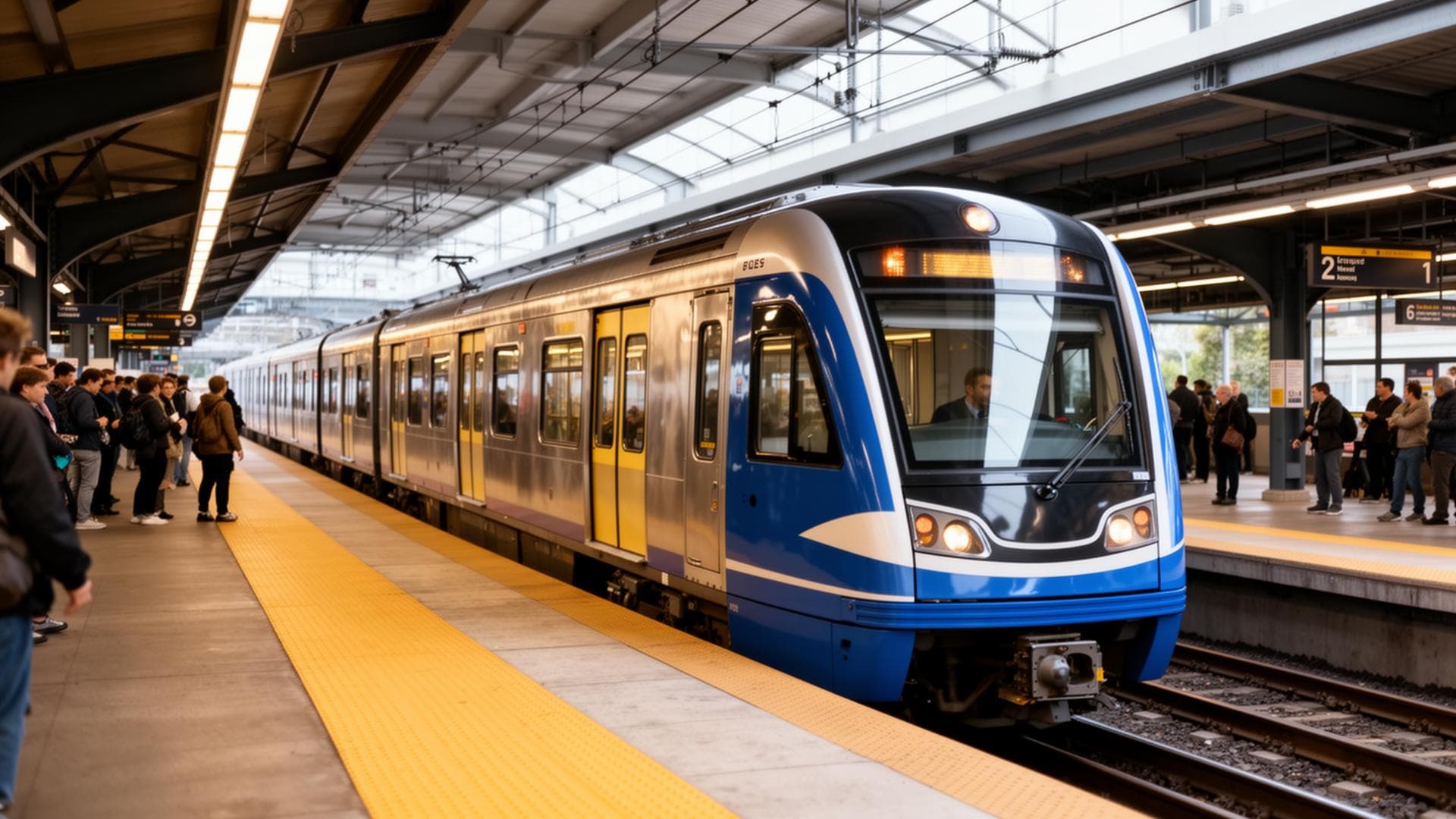
Train and light rail systems — including Amtrak, commuter rail, subway systems, and urban light rail — are classified as 'common carriers' under the law. This designation imposes the highest duty of care on transit operators. Unlike ordinary drivers who must exercise 'reasonable care,' common carriers must exercise the 'utmost care and diligence' to protect passengers.
According to the Federal Railroad Administration (FRA), there are approximately 12,000 train-related accidents per year in the United States, including derailments, grade crossing collisions, and pedestrian strikes. Light rail systems in cities like Los Angeles, Portland, Phoenix, and Dallas see hundreds of additional incidents annually.
Types of Train and Light Rail Accidents
Common accident scenarios include: Derailments — caused by track defects, excessive speed, equipment failure, or operator error. Grade crossing collisions — where a train strikes a vehicle or pedestrian at a road crossing. Inadequate warning signals, broken gates, and obstructed sightlines may make the railroad or municipality liable. Platform accidents — passengers struck by trains, falling onto tracks, or injured by closing doors. Pedestrian strikes — individuals struck while walking near or across tracks. Passenger injuries — sudden stops, starts, or turns causing falls inside the train or at stations.
Government Claims and Federal Regulations
Most public transit rail systems are operated by government agencies (e.g., LA Metro, DART, NJ Transit). Filing claims against these entities requires strict compliance with administrative tort claim procedures and short filing deadlines. Amtrak cases may involve federal jurisdiction under the Federal Employers' Liability Act (FELA) for injured workers, or standard negligence claims for injured passengers. Private freight railroads are regulated by the FRA and subject to federal safety standards that can form the basis of negligence claims.
What to Do After a Train or Light Rail Accident
Report the incident to transit authorities immediately. Document injuries and the accident scene. Obtain names and contact information of witnesses. Preserve your ticket, fare card, or transit pass as evidence. Seek medical attention — even seemingly minor injuries may be serious. Contact a personal injury attorney experienced in transit claims before the filing deadline passes.
Bond Legal handles train and light rail accident cases nationwide. Call (866) 423-7724 for a free, confidential case review.