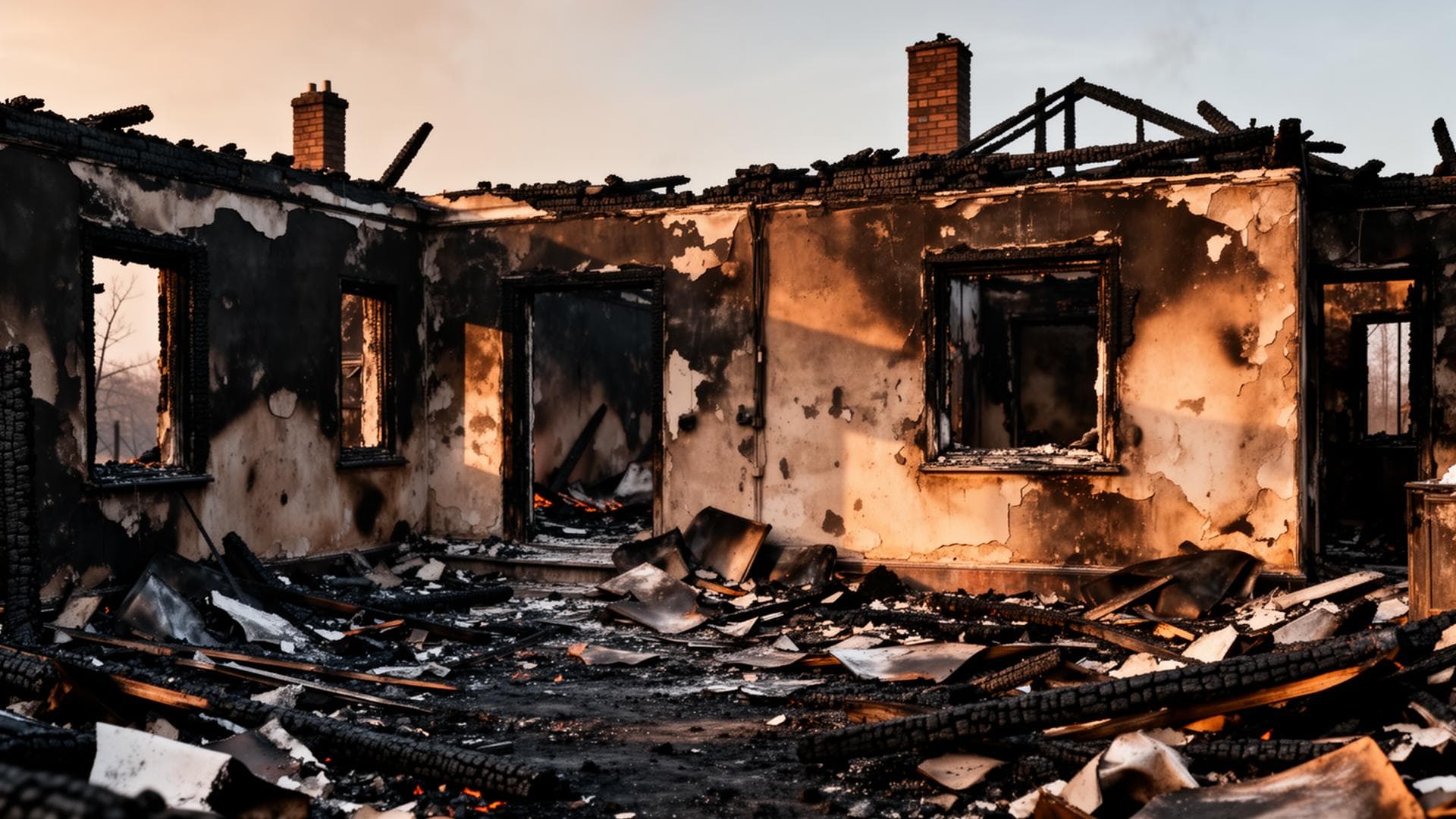
Losing your home to a wildfire is one of the most traumatic experiences a family can endure. In the chaos that follows, you're simultaneously dealing with grief, displacement, insurance adjusters, government agencies, and potentially complex litigation against the parties responsible for starting the fire. This guide provides a comprehensive roadmap for wildfire victims navigating the three pillars of recovery: insurance, government aid, and civil lawsuits.
Pillar 1: Your Insurance Claim
Filing your insurance claim quickly and correctly is critical. Here's what you need to know:
Dwelling Coverage: This pays to rebuild or replace your home. Critical issue: many wildfire victims discover they are significantly underinsured. Post-fire construction costs often spike 20-50% due to demand, and policies written years ago may not reflect current building costs. Some states have laws protecting homeowners: California (Insurance Code §2051.5) requires insurers to pay replacement cost, not depreciated value. Texas, Colorado, and other wildfire-prone states have similar consumer protections. Check your state's insurance regulations to understand your rights.
Personal Property Coverage: Covers replacement of clothing, furniture, electronics, appliances, and personal items. You'll need to create a comprehensive inventory — room by room — of everything you owned. This is one of the most time-consuming parts of the claims process. Tip: use old photos, credit card and bank statements, Amazon order histories, and family members' recollections to reconstruct your inventory.
Additional Living Expenses (ALE): Covers temporary housing, food costs above normal, laundry, storage, and other expenses while you're displaced. California requires a minimum of 24 months of ALE coverage, extendable in declared disasters. Keep every receipt. Debris Removal: Clearing a fire-damaged lot can cost $50,000-$200,000+. Your policy may have a sublimit that falls far short. Government programs (FEMA, Army Corps of Engineers) may supplement this.
Code Upgrade Coverage: When you rebuild, current building codes may require upgrades that didn't exist when your home was originally built (fire-resistant materials, updated electrical, seismic requirements). Separate code upgrade coverage pays for these mandatory improvements.
Pillar 2: Government Aid (FEMA & State Programs)
After a federally declared disaster, wildfire victims can access: FEMA Individual Assistance: Grants for temporary housing, home repairs, personal property replacement, and other disaster-caused needs. Maximum grants vary but are typically $40,000-$42,000+. FEMA aid does NOT reduce your insurance claim or civil lawsuit recovery. SBA Disaster Loans: Low-interest loans for homeowners (up to $500,000) and personal property (up to $100,000). These are loans, not grants — but rates are significantly below market.
State Programs: California's Office of Emergency Services, California Department of Insurance consumer assistance, property tax reassessment relief, and state-funded debris removal programs. Tax Relief: The IRS allows casualty loss deductions for federally declared disasters. Property tax reassessments can reduce your tax burden during rebuilding.
Pillar 3: Civil Lawsuits Against Responsible Parties
If the wildfire was caused by a utility company, arsonist, contractor, landowner, or government entity, you can pursue a civil lawsuit to recover damages that insurance and government aid don't cover. This includes: the gap between your insurance payout and your actual losses (the 'underinsurance gap'), emotional distress and PTSD, loss of irreplaceable personal items (family photos, heirlooms), business losses and lost income not covered by insurance, and diminished property value even after rebuilding.
California's inverse condemnation doctrine makes utility companies strictly liable when their equipment causes wildfires — regardless of fault. This is the most favorable legal standard in the country for wildfire victims. Additionally, negligence claims can be pursued against any party whose carelessness contributed to the fire.
Common Mistakes Wildfire Victims Make
Accepting the first insurance offer: Initial insurance payouts are almost always below the policy's full value. Negotiate diligently or hire a public adjuster. Signing utility company releases: Utilities may approach victims with early settlement offers. Never sign without consulting an attorney — you may be waiving claims worth far more than the offer. Failing to document losses: Insurance companies deny what you can't prove. Document everything before debris removal begins. Missing deadlines: Insurance claims, FEMA applications, and lawsuit filing deadlines are strict. Act promptly on all fronts.
Timeline for Wildfire Recovery
The recovery timeline is often longer than victims expect: insurance claims take 6-18 months for full resolution (often longer). Rebuilding takes 2-4 years in major fire events due to contractor shortages and permitting delays. Civil lawsuits typically take 2-4 years, with some mass wildfire cases taking longer. The key is to pursue all three pillars simultaneously — insurance, government aid, and litigation — to pursue your full recovery.
Bond Legal represents wildfire victims across the country. Free consultation. Pay no attorney fees unless we recover compensation for you. Call (866) 423-7724.