How Deadly Are Wrong-Way Driver Accidents?
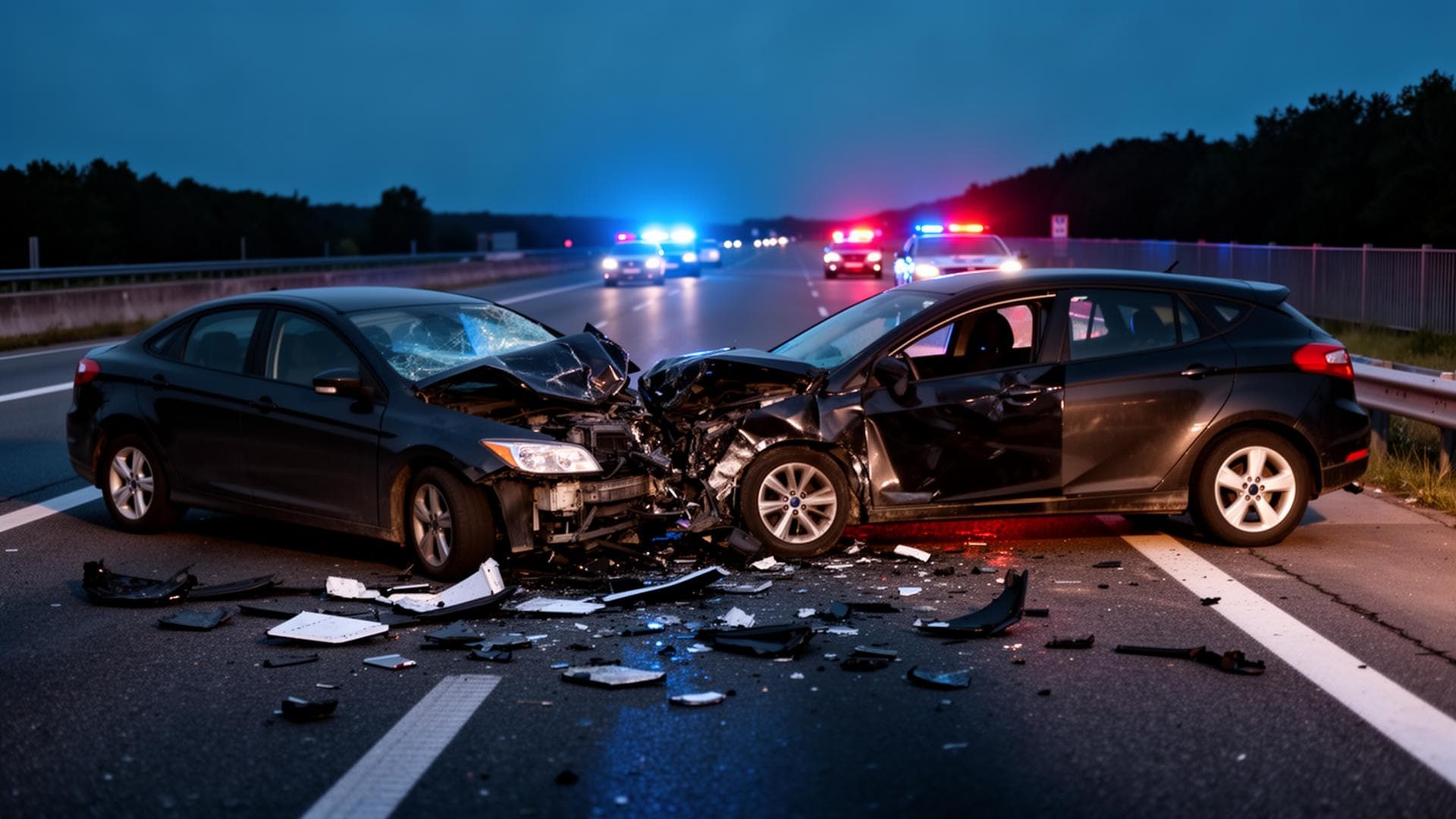
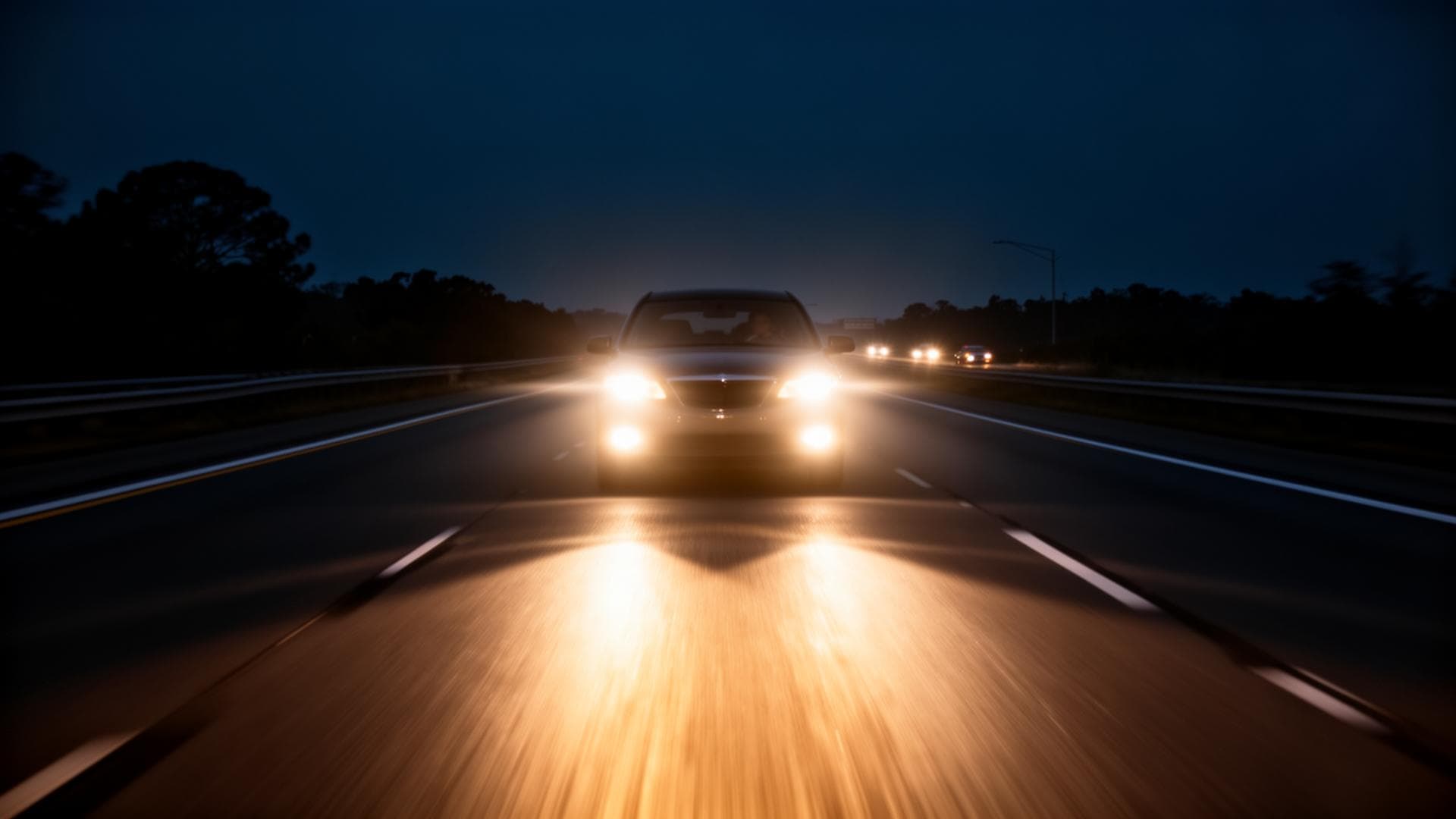
Wrong-way driving crashes represent a small fraction of total accidents but an outsized share of fatalities. According to the AAA Foundation for Traffic Safety and NTSB research, wrong-way crashes result in fatality rates far exceeding other highway collision types. Head-on impacts at high combined speeds leave virtually no survivable crash space.
What Causes Wrong-Way Driving?
Research from the NTSB and state DOTs consistently identifies these primary causes: Alcohol impairment — impairment is the leading contributing factor in the majority of wrong-way crashes, according to NTSB studies. Confusion at interchanges — poorly designed or inadequately signed highway ramps, particularly at diverging diamond interchanges. Elderly/cognitive impairment — drivers with dementia or confusion may enter highways via exit ramps. Distraction and fatigue — drivers entering the wrong ramp while focused on GPS or driving while drowsy.
Can You Sue Someone Other Than the Wrong-Way Driver?
While the wrong-way driver bears primary liability, additional parties may share fault: Government agencies — inadequate signage, missing wrong-way detection systems, or poorly designed interchanges. Bars and restaurants — dram shop liability if the driver was over-served alcohol. Employers — if the wrong-way driver was working at the time (commercial vehicles, ride-share). States have invested in wrong-way detection technology — sensors, cameras, and LED warning signs — but implementation remains inconsistent.
What Compensation Is Available for Wrong-Way Crash Victims?
Wrong-way crash survivors face catastrophic injuries — traumatic brain injuries, spinal cord damage, multiple fractures, and severe burns. Families of deceased victims can pursue wrongful death claims. Compensation in wrong-way cases is often substantial due to clear liability and the severity of injuries. Punitive damages may also apply when the driver was impaired. Call Bond Legal at (866) 423-7724.