On January 1, 2026, a quiet but significant change went into effect for every person who rides in an Uber or Lyft in California. Senate Bill 371 reduced the mandatory Uninsured/Underinsured Motorist (UM/UIM) coverage that rideshare companies must carry for passengers from $1,000,000 to just $60,000 per person ($300,000 per accident). For millions of Californians who rely on rideshare services, this represents a massive reduction in financial protection.
What Changed — and What Didn't
What DID NOT change: Uber and Lyft's $1 million third-party liability coverage remains intact. If the rideshare driver is at fault, or if another driver with insurance causes the crash, the $1M commercial policy still applies. What DID change: The UM/UIM coverage — which protects you when the at-fault driver has no insurance or insufficient insurance — dropped from $1M to $60K per person. This is the coverage that kicks in when you need it most: hit-and-run scenarios, uninsured drivers, and underinsured drivers.
Why This Matters: A Real-World Scenario
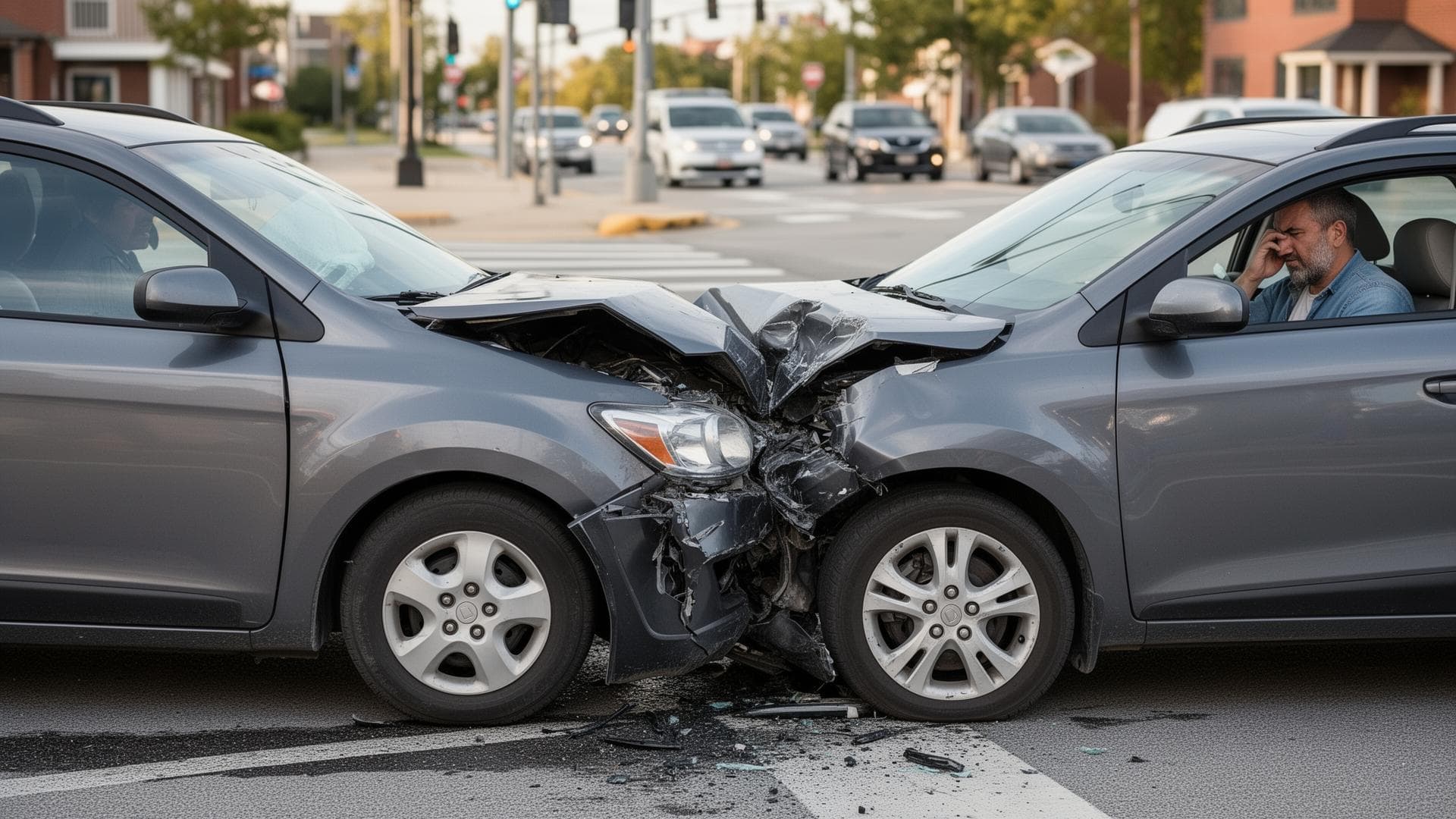
You're riding in a Lyft on the 405 freeway. An uninsured driver drifts across lanes and T-bones your vehicle at 65 mph. You suffer a herniated disc requiring spinal fusion surgery ($150,000+), plus 6 months of lost wages ($40,000+), plus pain and suffering. Before SB 371: Lyft's UM/UIM coverage would have covered up to $1 million. Your entire claim is covered. After SB 371: Lyft's UM/UIM coverage caps at $60,000. You're left with over $130,000 in uncovered losses — and that's a *moderate* injury scenario.
The Numbers Are Alarming
According to the Insurance Information Institute, approximately 14% of California drivers are uninsured — that's roughly 3.7 million uninsured drivers on California roads. Add underinsured drivers (those carrying only the state minimum of $15,000/$30,000), and the percentage of drivers who can't fully cover a serious injury claim rises to an estimated 30-40%. These are exactly the scenarios where UM/UIM coverage is your lifeline.
How to Protect Yourself Right Now
Step 1: Check your personal auto insurance. Even if you don't own a car, you can purchase a non-owner auto policy that includes UM/UIM coverage. Step 2: Increase your UM/UIM limits. We recommend at least $250,000-$500,000 in UM/UIM coverage. The cost is typically $100-$300 per year — a fraction of what you'd lose without it. Step 3: Consider an umbrella policy. Umbrella policies provide an additional layer of coverage above your auto policy limits, typically starting at $1 million for $200-$400 per year.
What If You're Already Injured?
If you were injured in a rideshare accident in California after January 1, 2026, and the at-fault driver is uninsured or underinsured, don't assume the $60,000 UM/UIM limit is all you can recover. An experienced attorney can identify additional sources of compensation: your own UM/UIM policy, the rideshare driver's personal insurance (if they contributed to the crash), other liable parties, and in some cases, direct claims against Uber or Lyft for negligent hiring or retention.
Bond Legal Is Here to Help
We opposed SB 371 because we believe it leaves riders exposed at the moments they need protection most. If you've been injured in a rideshare accident, we'll fight to identify every available source of recovery — regardless of what the insurance landscape looks like. Free consultation at (866) 423-7724. No attorney fees unless we win.