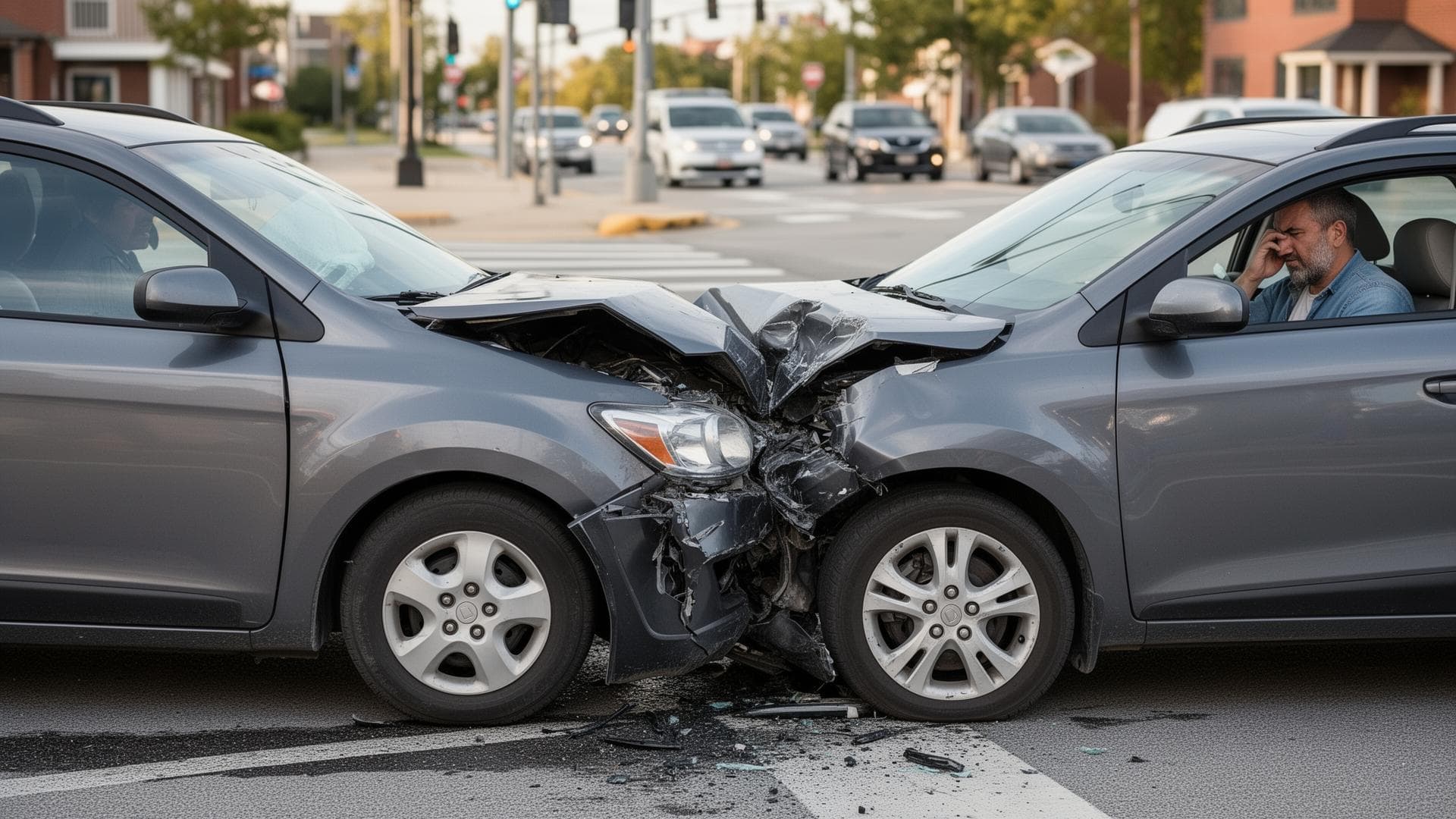
Being involved in a car accident is stressful enough. Discovering that the at-fault driver has no insurance can make an already difficult situation feel hopeless. But having an uninsured at-fault driver doesn't mean you're out of options.
The Uninsured Driver Epidemic
According to the Insurance Research Council (IRC), approximately 12.6% of motorists nationwide are uninsured. Some states have significantly higher rates: Mississippi (29.4%), Michigan (25.5%), Tennessee (23.7%), New Mexico (21.8%), Washington (21.7%), Florida (20.4%), California (15.2%), and Texas (14.1%). Even in states with lower rates like New York (6.1%) and Illinois (8.8%), the sheer volume of drivers means thousands of uninsured motorists are on the road every day. This means that roughly 1 in every 7 drivers you share the road with may not have insurance.
Your First Line of Defense: UM/UIM Coverage
Uninsured Motorist (UM) and Underinsured Motorist (UIM) coverage on your own auto insurance policy is your most important protection. This coverage pays for your injuries and damages when the at-fault driver has no insurance or insufficient insurance to cover your losses.
Many people don't realize they have this coverage, or they underestimate its importance. We strongly recommend carrying UM/UIM coverage with limits that match your liability limits.
Other Potential Sources of Recovery
Even if the at-fault driver is uninsured, other avenues of recovery may exist. If the driver was operating a vehicle owned by someone else, the vehicle owner's insurance may apply. If the driver was on the job at the time of the accident, their employer's insurance may cover the claim. And if a defective road condition or vehicle defect contributed to the accident, additional liable parties may exist.
Steps to Take After the Accident
1. Call 911 — A police report documenting the accident is essential, especially when dealing with uninsured drivers. 2. Seek medical treatment — Your health is the priority, and medical documentation strengthens your claim. 3. Document everything — Photos, witness statements, and any communication with the other driver. 4. Contact your insurance company — Report the accident and initiate your UM/UIM claim. 5. Consult an attorney — An experienced personal injury attorney can identify all potential sources of recovery and negotiate with your own insurance company on your behalf.
Don't Accept Less Than You Deserve
Insurance companies — even your own — are in the business of paying as little as possible. When you file a UM/UIM claim, your insurer may try to minimize your compensation. Having an experienced attorney on your side helps you pursue the full value of your claim.