When a vehicle component fails and causes a crash, the manufacturer — not just the driver — may be liable. The NHTSA receives over 80,000 vehicle defect complaints annually and issues hundreds of recall campaigns affecting millions of vehicles. Despite these recalls, defective vehicles and auto parts continue to cause devastating crashes.
Common Defective Vehicle Components
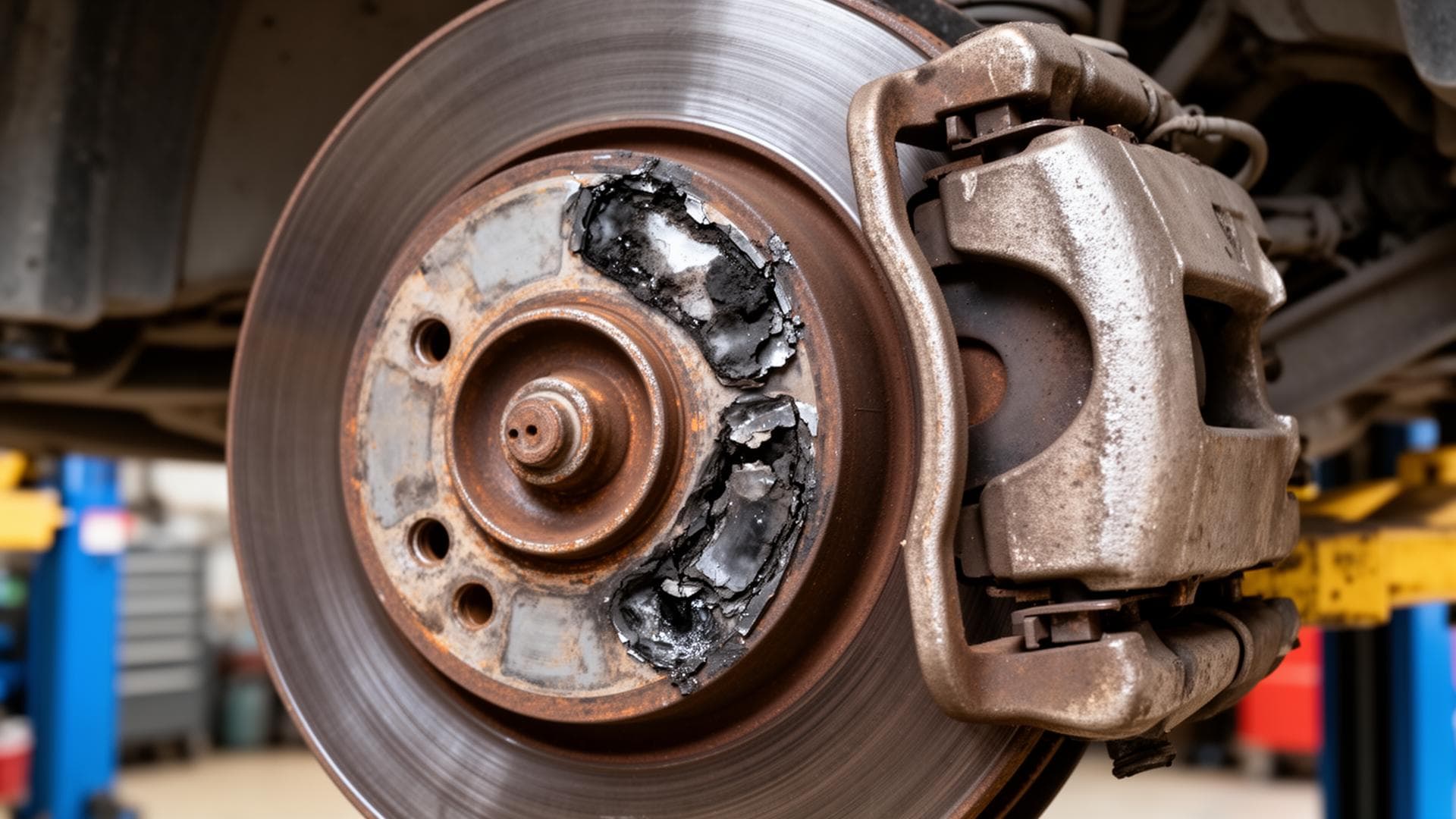
The most frequently defective vehicle components include: Brakes — brake failure, premature wear, ABS malfunctions, brake fluid leaks, and defective brake lines. Brake defects are among the most dangerous because they directly impair the driver's ability to stop. Tires — tread separation, blowouts, sidewall failures, and defective tire pressure monitoring systems. The Firestone tire recall (linked to Ford Explorer rollovers) is the most notorious example, but tire defects remain common.
Airbags — failure to deploy, delayed deployment, over-aggressive deployment, and defective inflators (the Takata airbag recall affected 67 million vehicles). Airbag failures can turn survivable crashes into fatalities. Steering systems — power steering failure, electronic steering malfunctions, and tie rod failures. Steering defects often cause loss of vehicle control at highway speeds. Seatbelts — buckle failures, retractor malfunctions, and defective pre-tensioners. Seatbelt defects dramatically increase injury severity in otherwise survivable crashes.
Fuel systems — fuel tank design defects, fuel line leaks, and inadequate crash protection for fuel systems. Fuel system defects can cause post-crash fires — among the most catastrophic secondary injuries. Electronic systems — unintended acceleration (Toyota's massive recall), electronic throttle malfunctions, and software glitches in computerized vehicle systems.
Product Liability Legal Theories
Defective vehicle claims are pursued under three legal theories: Strict liability — the manufacturer is liable if the product was defective and unreasonably dangerous, regardless of whether they were 'careful.' This is the strongest theory for plaintiffs because you don't need to prove the manufacturer was negligent — only that the product was defective. Negligence — the manufacturer failed to exercise reasonable care in the design, manufacture, or testing of the component.
Breach of warranty — the product failed to perform as warranted (either expressly or impliedly). There are three types of defects: Design defects — the entire product line is inherently dangerous (e.g., a vehicle with a tendency to roll over due to its center of gravity). Manufacturing defects — an individual unit deviates from the intended design (e.g., a specific tire with a weak spot in the sidewall). Warning/marketing defects — inadequate warnings about known risks or misleading marketing about the product's capabilities.
The Role of NHTSA Recalls and Investigations
NHTSA's recall and investigation database is a critical resource in defective vehicle cases. If the component that caused your crash is subject to a recall, the manufacturer is effectively admitting the defect exists. Even if no recall has been issued, NHTSA complaint data showing a pattern of similar failures supports your case.
Your attorney should: search NHTSA's database for recalls, technical service bulletins (TSBs), and consumer complaints related to your vehicle and component, obtain the manufacturer's internal communications about the defect (through discovery), and identify whether the manufacturer knew about the defect before your crash and failed to act.
Preserving Evidence in Defective Vehicle Cases
Vehicle defect evidence is fragile and often destroyed unintentionally: DO NOT repair or dispose of the vehicle until your attorney and experts have inspected it. Preserve the defective component — if a tire blew out, keep the tire. If brakes failed, keep the brake components. Document the vehicle identification number (VIN) — this is essential for identifying recalls, TSBs, and the vehicle's specific build configuration. Obtain the vehicle's maintenance records — manufacturers will argue the defect was caused by poor maintenance. Complete records counter this defense.
Settlement Values and Recovery
Defective vehicle cases often produce significant settlements because: manufacturers are well-funded corporate defendants with substantial insurance, strict liability eliminates the need to prove negligence, crash injuries caused by product failures tend to be severe (brake failure = high-speed crash, airbag failure = increased impact to occupant), and punitive damages are available when manufacturers knew about the defect and failed to act.
Additionally, your case may join or benefit from class action or multi-district litigation (MDL) against the manufacturer, providing additional leverage and shared litigation costs. Bond Legal has experience pursuing claims against vehicle and parts manufacturers across all 28 states where we practice.