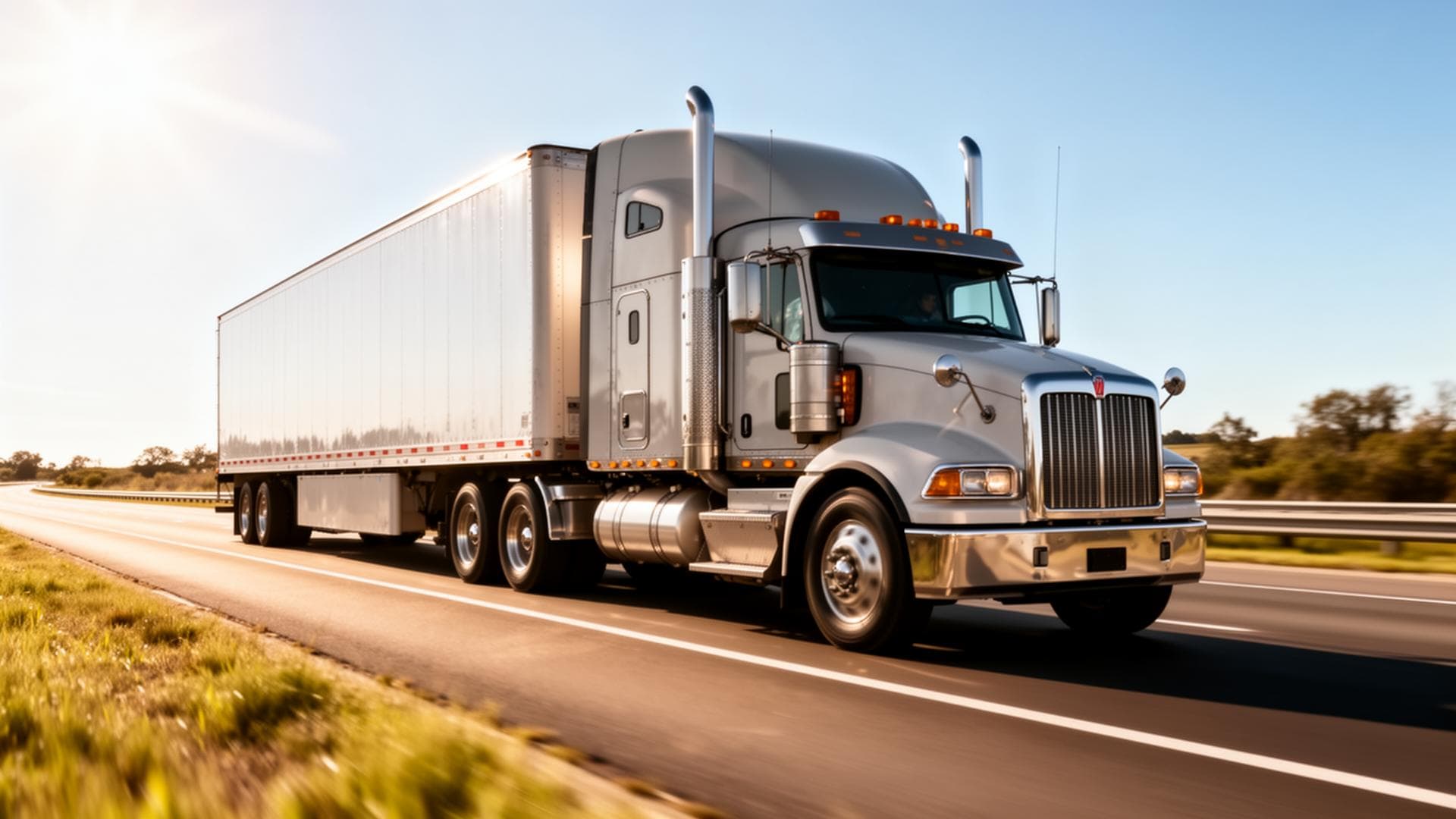
Commercial trucks are among the most dangerous vehicles on American roads. Weighing up to 80,000 pounds fully loaded, a semi-truck can cause catastrophic damage in a collision. According to the Federal Motor Carrier Safety Administration (FMCSA), approximately 5,000 people die in truck-related crashes each year.
The Dangerous Afternoon Window
Research consistently shows that truck accidents peak between noon and 3 P.M. This may seem counterintuitive — shouldn't nighttime driving be more dangerous? But several factors converge during the early afternoon to create a perfect storm of risk.
Post-lunch drowsiness is a major contributor. The body's circadian rhythm naturally dips in the early afternoon, causing decreased alertness even in well-rested individuals. For truck drivers who may already be fatigued from hours of driving, this biological dip can be dangerous.
Increased traffic volume during the midday hours means more vehicles sharing the road with large trucks. More vehicles means more potential conflict points, lane changes, and sudden stops — all of which are more dangerous when a fully loaded semi is involved.
Delivery schedules also play a role. Many trucking companies impose tight delivery deadlines that pressure drivers to maintain aggressive schedules. This pressure often peaks in the early afternoon as drivers race to meet end-of-day delivery windows.
What Causes Truck Accidents?
The FMCSA has identified several leading causes of truck accidents: driver fatigue (responsible for approximately 13% of all truck crashes), speeding, distracted driving, improper loading, mechanical failures, and driving under the influence of drugs or alcohol.
Protecting Yourself on the Road
While you can't control the behavior of truck drivers, you can take steps to protect yourself. Avoid lingering in a truck's blind spots (the 'No Zones'), maintain a safe following distance, be cautious when passing trucks, and be especially vigilant during the noon-to-3 P.M. window.
What to Do After a Truck Accident
If you're involved in a truck accident, seek medical attention immediately, even if you feel fine. Document the scene with photos and video. Get the truck driver's information, including their employer and insurance details. And contact an experienced truck accident attorney as soon as possible.
Truck accident cases are significantly more complex than standard auto accident claims. They involve federal regulations, multiple potentially liable parties (the driver, the trucking company, the cargo loader, the vehicle manufacturer), and extensive evidence preservation requirements. An experienced attorney can navigate these complexities and help protect your rights.