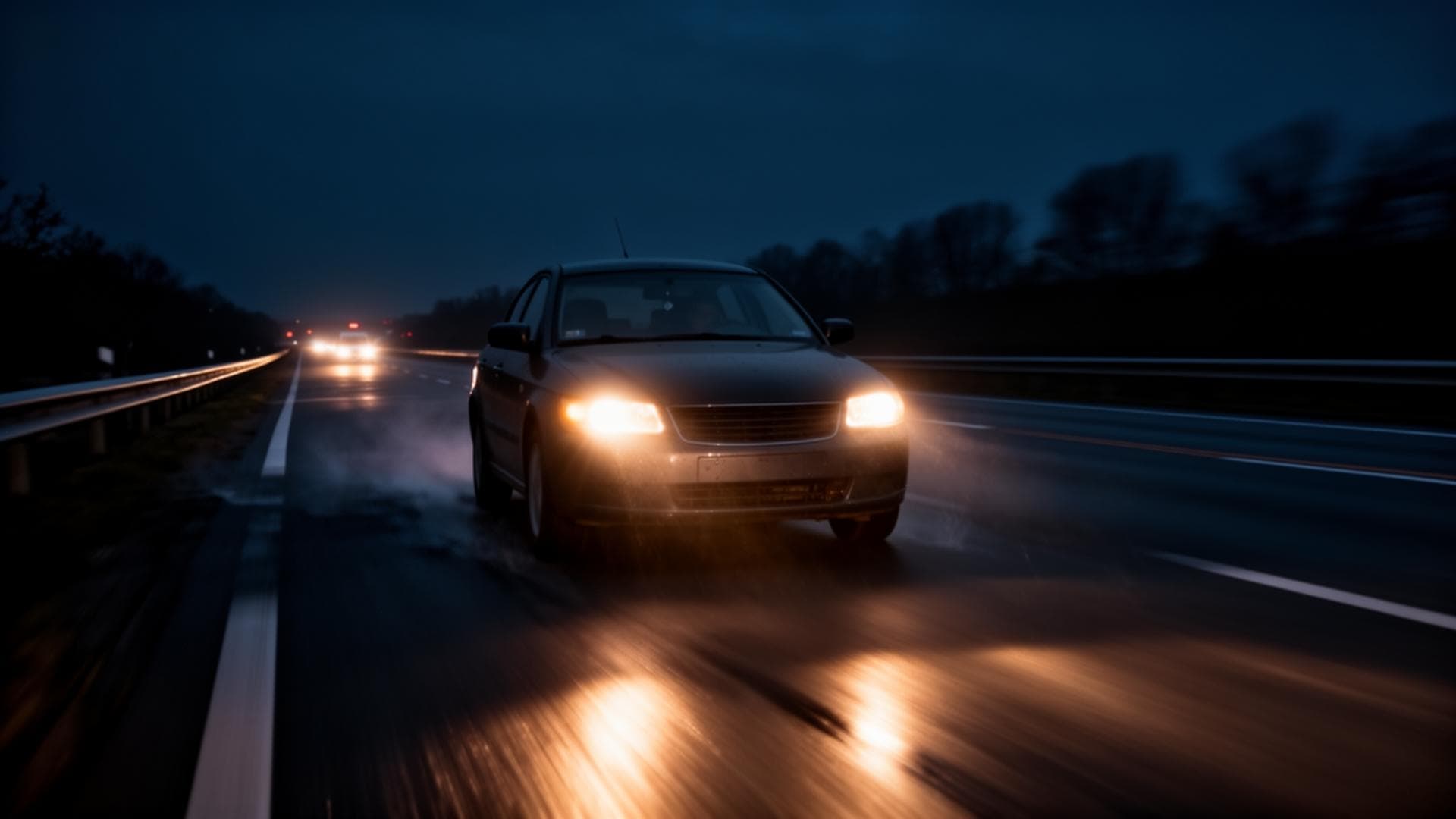
Drowsy driving is one of the most underrecognized dangers on American roads. The NHTSA estimates that drowsy driving causes approximately 100,000 police-reported crashes, 71,000 injuries, and 1,550 fatalities annually — though the AAA Foundation for Traffic Safety believes the true numbers are 350% higher because drowsiness is difficult to detect in post-crash investigations.
The Science: Why Drowsy Driving Equals Drunk Driving
Research from the AAA Foundation and the Australian Transport Safety Bureau has demonstrated that drowsy driving impairs performance comparably to alcohol intoxication: 18 hours awake = equivalent impairment to 0.05% BAC. 24 hours awake = equivalent impairment to 0.10% BAC (above the legal limit in all 50 states). Microsleeps — involuntary sleep episodes lasting 4-5 seconds — occur when severely fatigued. At 55 mph, a 4-second microsleep means the vehicle travels 323 feet with no driver input.
Unlike alcohol impairment, drowsy driving has no legal threshold — there's no 'breathalyzer for fatigue.' This makes proving drowsy driving in civil cases more challenging but not impossible.
Who Is Most at Risk?
Certain populations are disproportionately at risk for drowsy driving crashes: Shift workers — rotating or night shifts disrupt circadian rhythms. Nurses, factory workers, and first responders are particularly vulnerable. Commercial truck drivers — despite FMCSA Hours of Service regulations, fatigue remains the leading cause of truck driver error. Young drivers (under 25) — irregular sleep patterns and early school start times contribute. Business travelers — jet lag, unfamiliar roads, and long driving days increase risk.
People with undiagnosed sleep disorders — an estimated 28 million Americans have obstructive sleep apnea, many undiagnosed. Sleep apnea causes excessive daytime sleepiness and dramatically increases crash risk.
How to Prove Drowsy Driving
While there's no breathalyzer for fatigue, several evidence sources can establish drowsiness: Crash characteristics — drowsy driving crashes have a distinctive pattern: single vehicle, departure from roadway, no evidence of braking or evasive action, and occurrence between midnight-6 AM or 2-4 PM (circadian low points). Cell phone and digital records — showing the driver was awake for an extended period. Social media timestamps, text messages, and call logs can establish a timeline of wakefulness.
Employment records — shift schedules, time cards, and delivery logs showing how long the driver had been working or awake. Vehicle EDR data — showing no braking or steering input before the crash (indicating the driver was asleep). Sleep disorder diagnosis — medical records showing a known sleep disorder like sleep apnea. Witness testimony — passengers, coworkers, or family members who can testify that the driver appeared tired, was yawning, or expressed fatigue.
Employer Liability for Drowsy Driving
When an employee causes a drowsy driving crash, their employer may be liable under several theories: Respondeat superior — if the employee was driving in the scope of employment. Negligent scheduling — employers who schedule shifts that prevent adequate rest may be directly liable. FMCSA violations — for commercial truck drivers, Hours of Service violations are powerful evidence of both driver and carrier negligence.
Failure to implement fatigue management programs — industries with known fatigue risks (trucking, healthcare, transportation) have a duty to manage driver fatigue. Negligent entrustment — if an employer knew or should have known that an employee was too fatigued to drive safely. Employer liability is significant because commercial insurance policies typically provide far greater coverage than personal auto policies.
Settlement Values and Legal Strategy
Drowsy driving cases often command premium settlements because: the behavior is universally condemned (juries see it as reckless), employer liability frequently applies (increasing available insurance), crash characteristics (no braking, departure from roadway) tend to produce severe injuries, and expert testimony on sleep science is compelling and well-established.
If you suspect drowsy driving caused your accident — particularly if the crash occurred during known fatigue windows, involved no braking, or the driver was a shift worker or commercial operator — contact an attorney immediately to preserve employment records and digital evidence that can prove fatigue.