Over 737,000 hit-and-run crashes occur in the United States annually. Leaving the scene of an accident involving injury is a felony in every state. But identifying the fleeing driver requires aggressive investigation — and law enforcement resources are often stretched thin.
Law Enforcement Databases
Every state maintains law enforcement telecommunications systems that allow officers to search for suspect vehicles based on partial license plate numbers, vehicle descriptions, and registered owner information. California uses CLETS, Texas uses TLETS, Florida uses FCIC, and New York uses eJusticeNY. A partial plate combined with a vehicle color and make can narrow the search dramatically.
Traffic and Surveillance Cameras
Intersection cameras, red-light cameras, freeway cameras, and nearby business surveillance systems often capture fleeing vehicles. This footage typically overwrites within 30-72 hours, making rapid preservation critical. This is true nationwide — whether you're in Houston, Los Angeles, Chicago, or Atlanta.
Paint Transfer and Physical Evidence
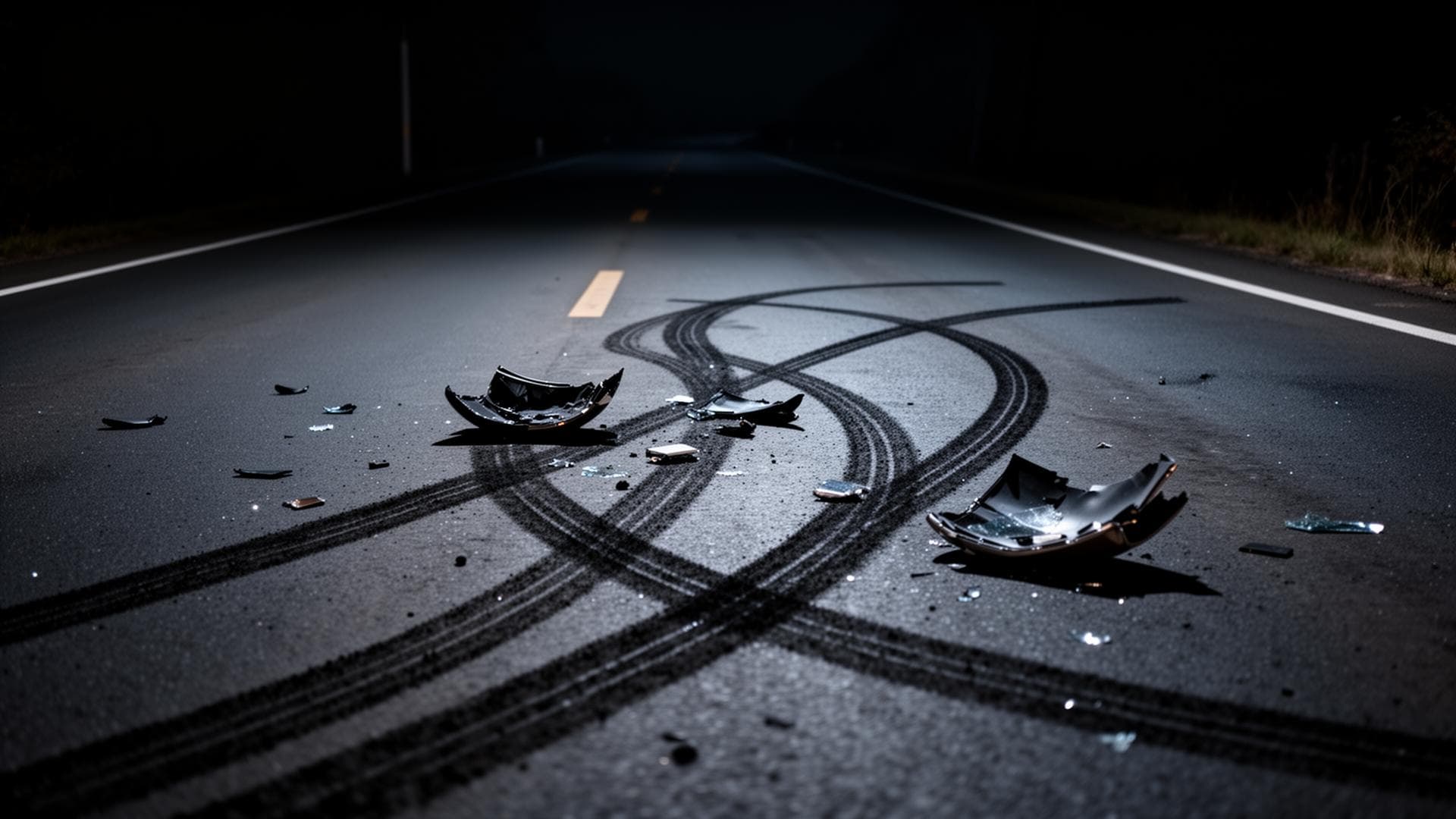
When a vehicle strikes yours, it leaves paint transfer that forensic labs can match to specific vehicle makes, models, and years. Similarly, broken headlight glass, mirror fragments, and bumper pieces left at the scene can identify the vehicle type.
Private Investigation
We retain private investigators who canvass the accident area, interview witnesses, and follow up on leads that police may not have the resources to pursue. In many cases, we identify hit-and-run drivers that law enforcement cannot.
Why Identifying the Driver Matters
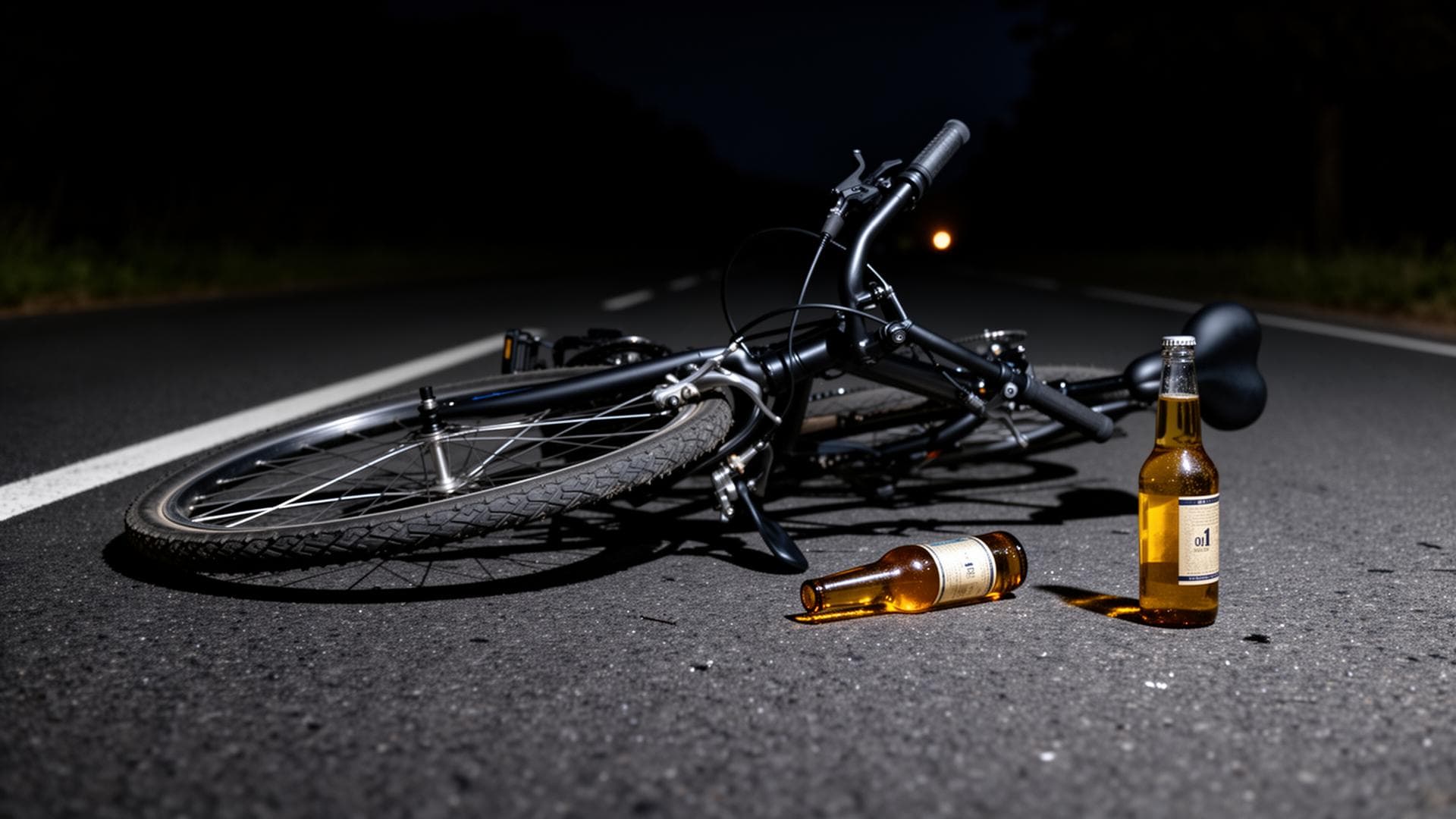
While you can collect on your UM policy without identifying the driver, finding the driver opens additional insurance coverage and the possibility of a larger recovery. If the driver was intoxicated, punitive damages may become available depending on your state's laws.
Contact Bond Legal at (866) 423-7724. We never stop investigating. No attorney fees unless we win.