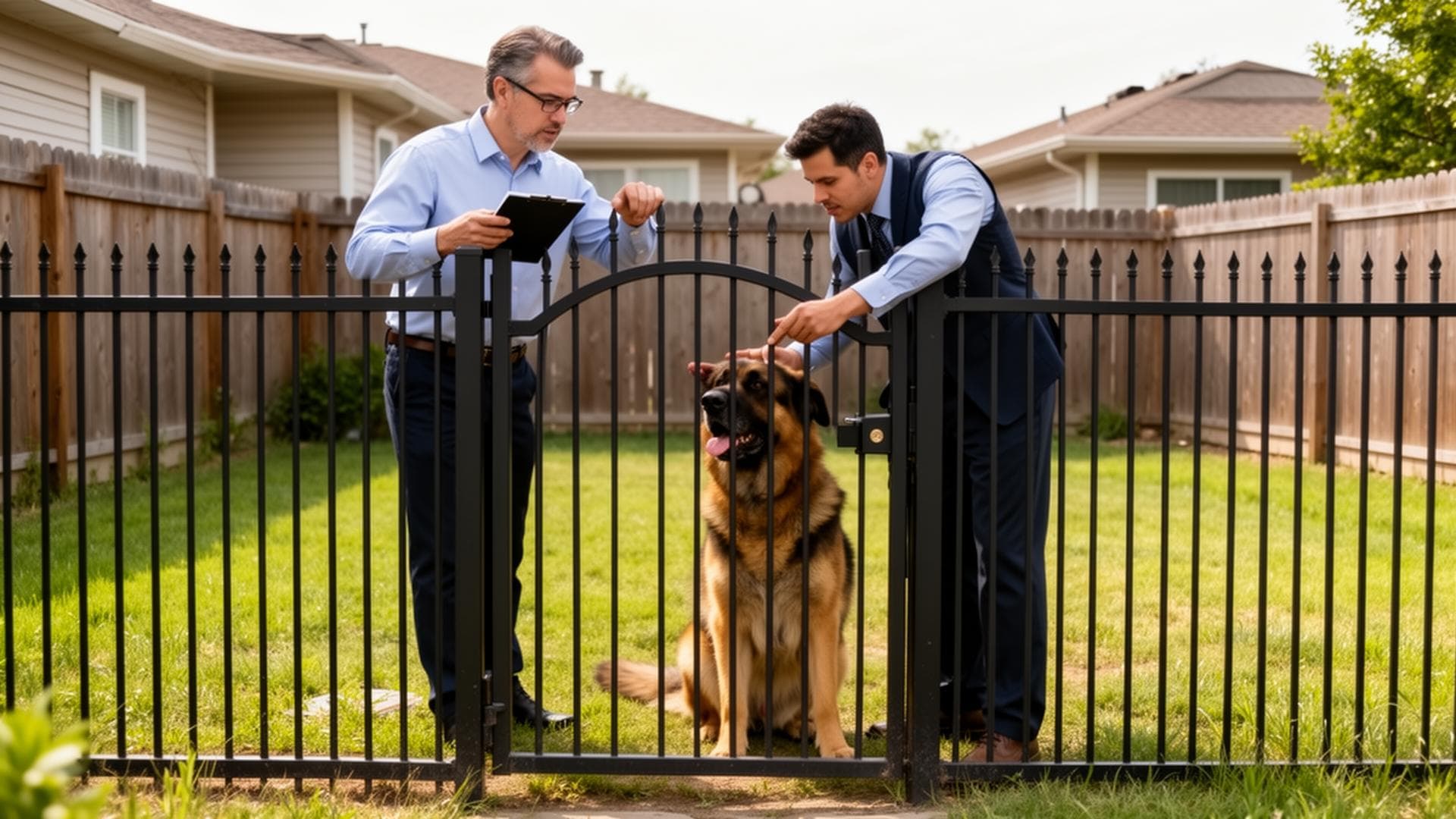
When a tenant's dog attacks someone on a rental property, the natural instinct is to hold the dog owner responsible. But in many cases, the landlord is also liable — and the landlord's insurance coverage is often significantly larger than the tenant's, making landlord liability a critical avenue for victims seeking full compensation.
The legal theories for landlord liability in dog bite cases have expanded significantly in recent years, and courts across the country are increasingly willing to hold property owners accountable for failing to address dangerous animals on their properties.
When Landlords Are Liable: The Knowledge Standard
In most jurisdictions, a landlord can be held liable for a tenant's dog bite if the landlord: knew or should have known that the tenant's dog was dangerous, had the ability to remove the dog (through lease provisions, local ordinances, or property rules), and failed to take reasonable steps to protect others from the known danger.
Evidence of landlord knowledge can include: prior complaints from neighbors about the dog, animal control reports filed about the dog on the property, the landlord personally witnessing aggressive behavior, lease applications that disclosed the dog's breed or history, insurance company notifications about dangerous breeds, and the landlord's own fear or concern about the dog expressed in communications.
Lease Provisions and Breed Restrictions
Many landlords include pet policies in their leases — and these provisions can actually increase landlord liability when they're not enforced. If a lease prohibits certain breeds (pit bulls, Rottweilers, German Shepherds, Dobermans, etc.) or requires renter's insurance with dog bite coverage, and the landlord fails to enforce these provisions, the landlord's inaction becomes powerful evidence of negligence.
Similarly, if a lease prohibits pets entirely and the landlord knowingly allows a tenant to keep a dog, the landlord has implicitly accepted responsibility for any foreseeable harm caused by the unauthorized animal. Courts have consistently ruled that a landlord who 'looks the other way' cannot later claim ignorance.
Common Areas and the Duty to Maintain Safe Premises
Landlords have a heightened duty of care in common areas — hallways, parking lots, laundry rooms, courtyards, and shared outdoor spaces. If a dog attack occurs in a common area, the landlord's liability is often clearer because landlords retain control over these spaces and have a duty to ensure they are reasonably safe for all tenants and visitors.
This duty includes: ensuring common areas are properly fenced or gated, posting warning signs when dangerous dogs are known to be on the property, installing adequate lighting in areas where dogs are walked, and establishing and enforcing rules about leashing dogs in common areas.
Homeowner's Insurance and Landlord Policies
A critical factor in dog bite cases is insurance coverage. Homeowner's and renter's insurance policies typically cover dog bite liability — but many policies exclude certain breeds or dogs with bite histories. Landlord insurance policies (also called dwelling fire or rental property policies) often carry $300,000-$1,000,000 in liability coverage.
When a landlord is found liable for a tenant's dog bite, the landlord's insurance policy becomes available to compensate the victim — often providing significantly more coverage than the tenant's renter's policy (which averages $100,000-$300,000 in liability coverage). This is why pursuing landlord liability is strategically important in serious dog bite cases.
Property Manager Liability
Property management companies that manage rental properties on behalf of owners can also be held liable. If a property manager receives complaints about a dangerous dog, observes aggressive behavior during property inspections, or fails to enforce pet policies, the management company may share liability with the property owner.
What Victims Should Do
If you were bitten by a dog on a rental property: determine whether the property is owner-occupied or renter-occupied, identify the landlord and property management company, request copies of the lease's pet policy and any animal-related complaints, check local ordinances for breed-specific legislation or leash laws, file an animal control report, and contact an attorney who can investigate both owner and landlord liability to pursue your full recovery.
Bond Legal investigates all potentially liable parties in dog bite cases. Free consultation. Pay no attorney fees unless we recover compensation for you. Call (866) 423-7724.