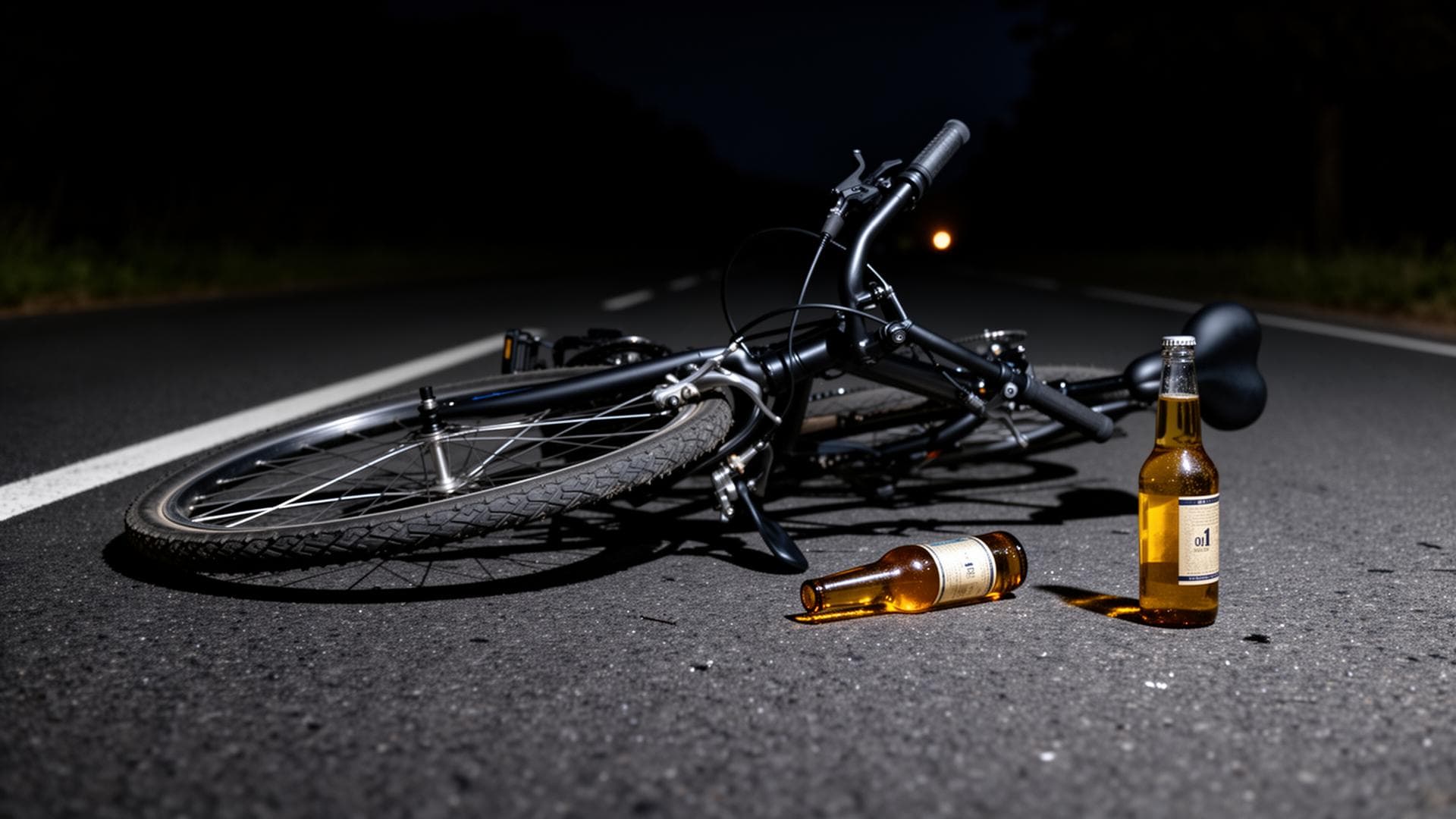
When someone chooses to drive drunk and injures you, the law in most states provides a powerful remedy beyond compensatory damages: punitive damages. These damages are designed to punish the wrongdoer and deter similar reckless behavior — and they can dramatically increase your total recovery.
When Do Punitive Damages Apply in DUI Cases?
Most states allow punitive damages when the defendant's conduct shows willful disregard for others' safety. Driving under the influence has been widely recognized as meeting this standard. The specific legal threshold varies: in California, you must prove 'oppression, fraud, or malice' by clear and convincing evidence under Civil Code §3294. In Texas, you must show the defendant's actions constitute 'gross negligence' under Civil Practice & Remedies Code §41.001. In Florida, clear and convincing evidence of 'intentional misconduct or gross negligence' is required. In New York, punitive damages require conduct that is 'wanton and reckless.'
Are There Caps on Punitive Damages?
State laws differ significantly on caps: No statutory cap: California, New York, Washington, and several other states have no cap on punitive damages — a jury can award whatever it deems appropriate. Capped states: Texas caps punitive damages at the greater of $200,000 or twice the economic damages plus an equal amount of non-economic damages up to $750,000. Florida caps punitive damages at 3 times the compensatory damages or $500,000, whichever is greater. Ohio generally caps at twice compensatory damages. These caps can significantly affect case strategy and recovery.
How Punitive Damages Affect Your Recovery
Punitive damages can double or triple your total recovery. In a case with $500,000 in compensatory damages, a jury in an uncapped state could award $1M+ in punitive damages — bringing the total to $1.5M or more. The more egregious the conduct — high BAC, prior DUIs, excessive speed — the higher the punitive damages tend to be.
The Criminal Case Connection
A DUI conviction or guilty plea in the criminal case creates powerful evidence for your civil punitive damages claim. We coordinate with prosecutors and monitor the criminal case to strengthen its impact on your civil recovery.
Important Limitation
Punitive damages are generally NOT covered by auto insurance policies. This means recovery depends on the drunk driver's personal assets — real estate, bank accounts, investments, and income. We investigate the defendant's financial situation before pursuing punitive damages.
Contact Bond Legal at (866) 423-7724. No attorney fees unless we win.