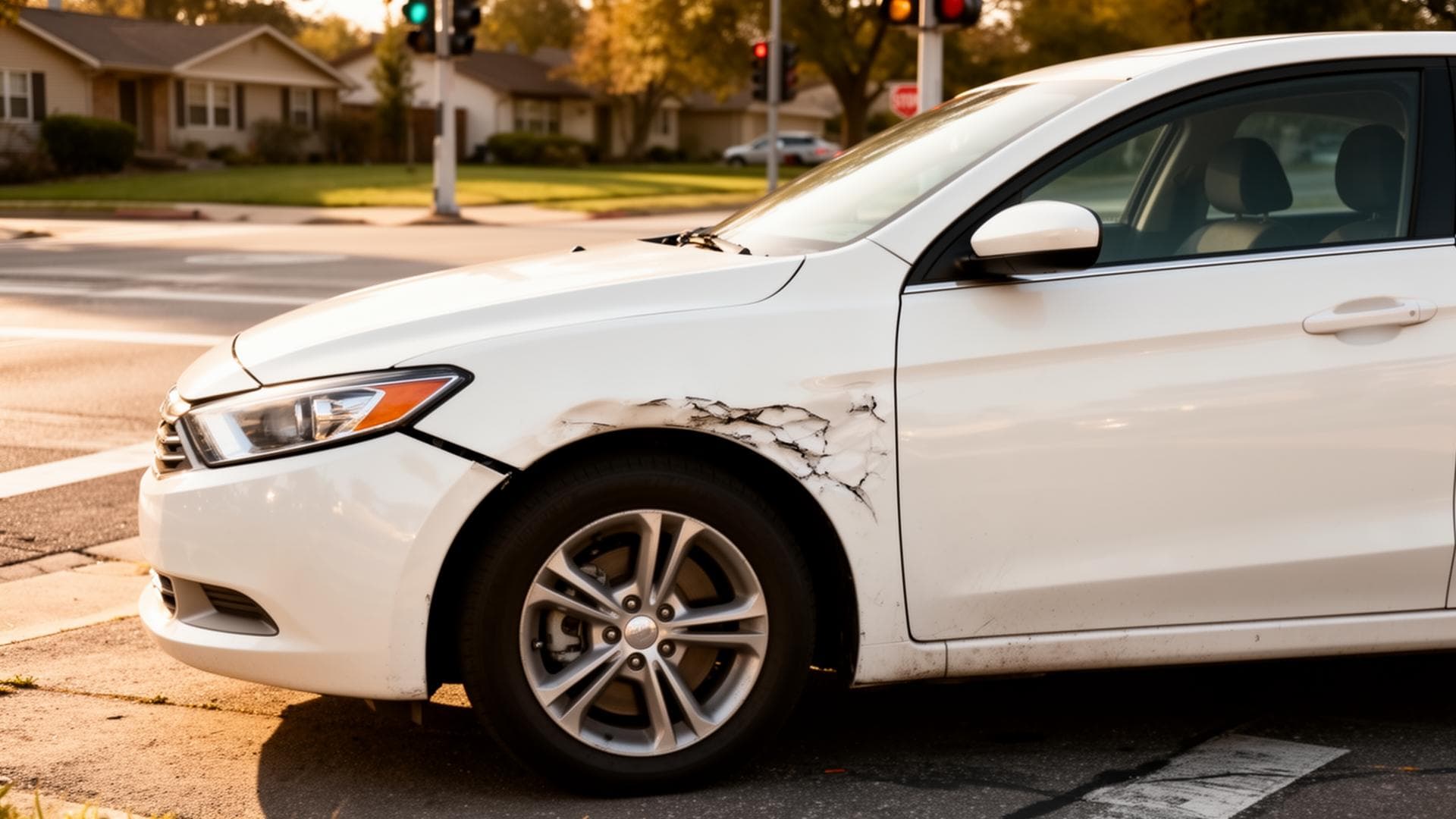
The rise of rideshare services like Uber and Lyft has revolutionized transportation — but it has also created new legal complexities when accidents occur. Whether you're a passenger, another driver, or a pedestrian injured in a rideshare-related accident, understanding the insurance landscape is critical.
The Three Periods of Rideshare Insurance
Rideshare insurance coverage depends on what the driver was doing at the time of the accident. Uber and Lyft use a three-period system that determines which insurance policy applies.
Period 1: App On, No Ride Request — The driver has the app on but hasn't accepted a ride. During this period, the rideshare company provides limited liability coverage (typically $50,000 per person/$100,000 per accident for bodily injury).
Period 2: Ride Accepted, En Route to Passenger — The driver has accepted a ride request and is heading to pick up the passenger. Full commercial coverage kicks in — typically $1 million in liability coverage.
Period 3: Passenger in Vehicle — From pickup to dropoff, the full $1 million commercial policy applies. This period also includes uninsured/underinsured motorist coverage.
Why Rideshare Claims Are Complex
The multi-layered insurance system creates disputes about which insurer is responsible. The driver's personal auto insurance may deny coverage because the driver was using the vehicle for commercial purposes. The rideshare company may argue that the driver was in Period 1 (limited coverage) rather than Period 2 or 3 (full coverage). Multiple insurers may point fingers at each other, delaying your claim.
Passenger Claims
If you were a passenger in a rideshare vehicle, you have the strongest position. You weren't driving, so you bear no fault. The $1 million commercial policy was active during your ride. And both the rideshare company and the driver may be liable for your injuries.
Third-Party Claims
If you were in another vehicle, on a bicycle, or on foot when a rideshare driver caused your accident, you may be able to file a claim against the rideshare company's commercial policy — but only if the driver was in Period 2 or 3.
Documenting a Rideshare Accident
In addition to standard accident documentation steps, rideshare accident victims should screenshot the ride details in the app (driver name, trip route, timing), report the accident through the app, and note whether the driver had any passengers at the time of the crash.
Get Experienced Legal Help
Rideshare accident claims require an attorney who understands the unique insurance structures and legal theories involved. At Bond Legal, we've handled numerous rideshare accident cases and know how to navigate the complexities to pursue your full recovery. Contact us for a free consultation.