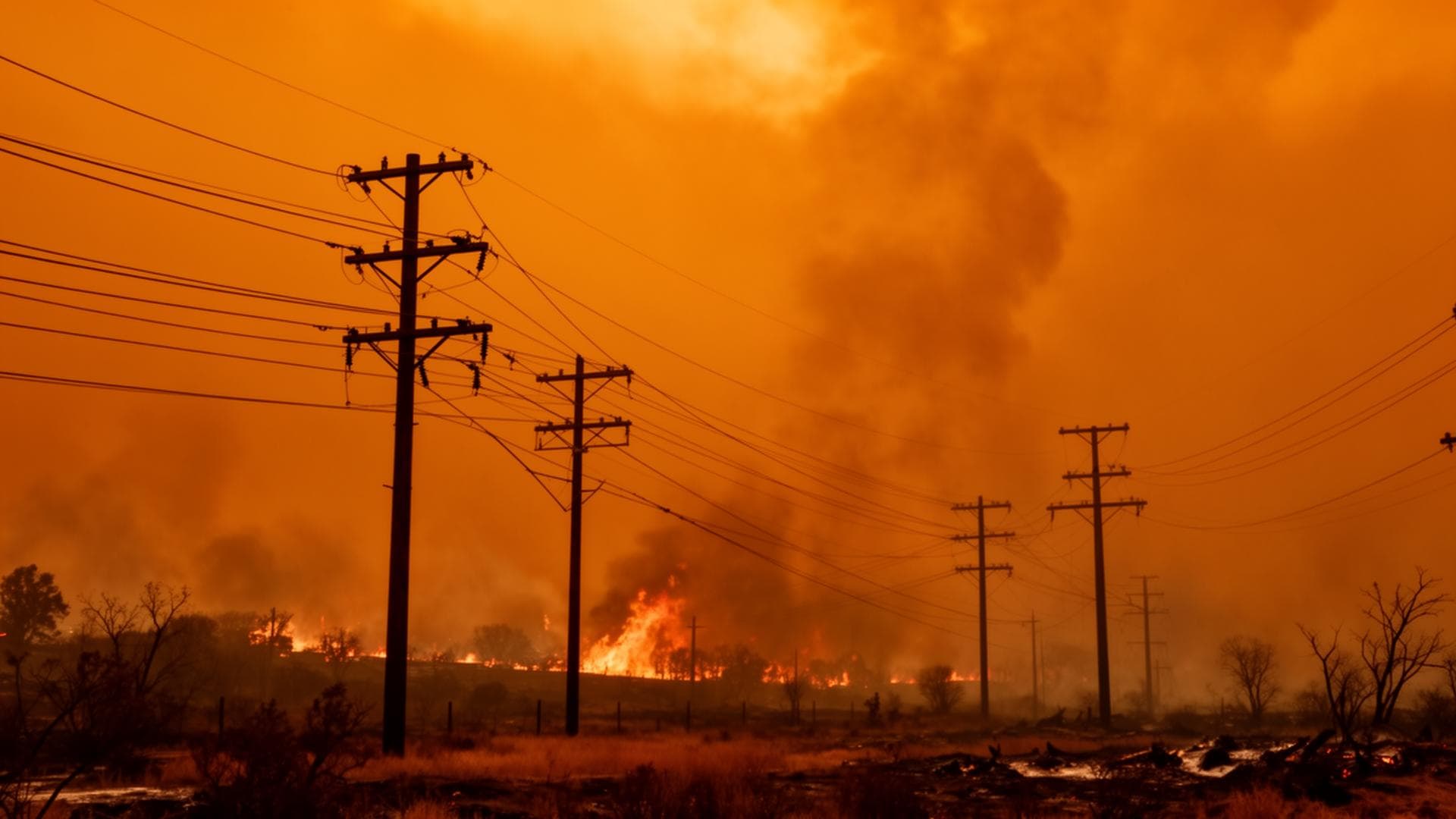
Power lines and electrical equipment are responsible for igniting some of the most catastrophic wildfires in American history. In California alone, utility-caused wildfires have killed hundreds of people, destroyed tens of thousands of homes, and caused tens of billions of dollars in damage over the past decade. Understanding how utility companies are held accountable — and what victims can recover — is critical for anyone affected by these preventable disasters.
The Science of How Power Lines Start Fires
Utility-caused wildfires typically start through several mechanisms: Conductor contact: During high winds, power lines can swing together and create electrical arcs that shower sparks onto dry vegetation below. Vegetation contact: When trees or branches grow too close to power lines, contact can create electrical faults and sparks. Utilities are responsible for maintaining safe clearance zones through vegetation management programs. Equipment failure: Aging transformers, insulators, connectors, and poles can fail catastrophically — especially during wind events — sending sparks and hot metal fragments into dry brush. Downed lines: Wind, falling trees, and equipment failure can bring energized lines to the ground, igniting fires on contact with dry vegetation.
Public Safety Power Shutoffs (PSPS): A Flawed Solution
After the devastating 2017-2018 fire seasons, California utilities implemented Public Safety Power Shutoffs — proactively de-energizing power lines during high-risk weather conditions. While PSPS events have prevented some fires, the program is plagued by failures: utilities sometimes fail to shut off power in areas that subsequently ignite, shut-off decisions are made too late (after fires have already started), re-energization occurs too early before conditions have improved, and communication to affected customers is inadequate — leaving vulnerable populations (elderly, medical equipment users) at risk.
When a utility fails to implement PSPS during conditions that subsequently cause a fire, that failure is powerful evidence of negligence. The utility knew the risk, had the tools to mitigate it, and chose not to act.
California's Inverse Condemnation Doctrine
California's legal framework for wildfire liability is the most victim-friendly in the nation. Under the doctrine of inverse condemnation, utility companies are strictly liable for damage caused by their equipment — even if they were not negligent. The rationale: utilities are government-regulated monopolies that use public rights-of-way. When their operations damage private property, it constitutes a de facto government 'taking' that requires just compensation.
This means wildfire victims need only prove two things: (1) the utility's equipment caused the fire, and (2) the victim suffered damages. They do not need to prove negligence, carelessness, or fault of any kind. However, victims may also pursue traditional negligence claims alongside inverse condemnation, which can open the door to additional damages — including punitive damages for particularly egregious conduct.
Landmark Wildfire Settlements and Verdicts
The scale of utility liability for wildfires is staggering: PG&E (2017-2018 wildfires): $25.5 billion in settlements — the largest wildfire settlement in history. PG&E filed for bankruptcy and pleaded guilty to 84 counts of involuntary manslaughter for the Camp Fire. PG&E (Dixie Fire, 2021): Additional billions in claims for the largest single wildfire in California history. Southern California Edison (Thomas & Woolsey Fires): Billions in settlements for 2017-2018 fires in Ventura and Los Angeles counties. Southern California Edison (Eaton Fire, 2025): Multiple lawsuits filed alleging Edison's failure to de-energize during extreme wind conditions caused catastrophic destruction in the Altadena/Pasadena area.
What Fire Victims Can Recover
Wildfire victims may recover the full scope of their losses: property damage (replacement cost of home, structures, vehicles, personal property), additional living expenses during displacement, business losses and lost income, medical expenses for burns, smoke inhalation, and respiratory injuries, emotional distress and PTSD, loss of irreplaceable personal items, diminished property value, and wrongful death damages when fires kill.
The Subrogation Factor
If your insurance company pays your fire damage claim, it acquires 'subrogation rights' — the right to pursue the responsible party to recover what it paid you. This is important because: your insurance company will often file its own lawsuit against the utility, settlement negotiations may involve both your personal claims and your insurer's subrogation claim, and you should ensure your personal attorney coordinates with your insurer's subrogation counsel to pursue your full recovery.
What Wildfire Victims Should Do Now
If you've been affected by a wildfire caused by a utility company or other negligent party: document all damage immediately with photos and video. File your insurance claim but do not accept a quick settlement. Do not sign any releases from the utility company. Preserve all communications, documents, and evidence. Contact a wildfire litigation attorney who can evaluate claims under both inverse condemnation and negligence theories.
Bond Legal represents wildfire victims nationwide. Free consultation. Contingency fees — no payment unless we win. Call (866) 423-7724.