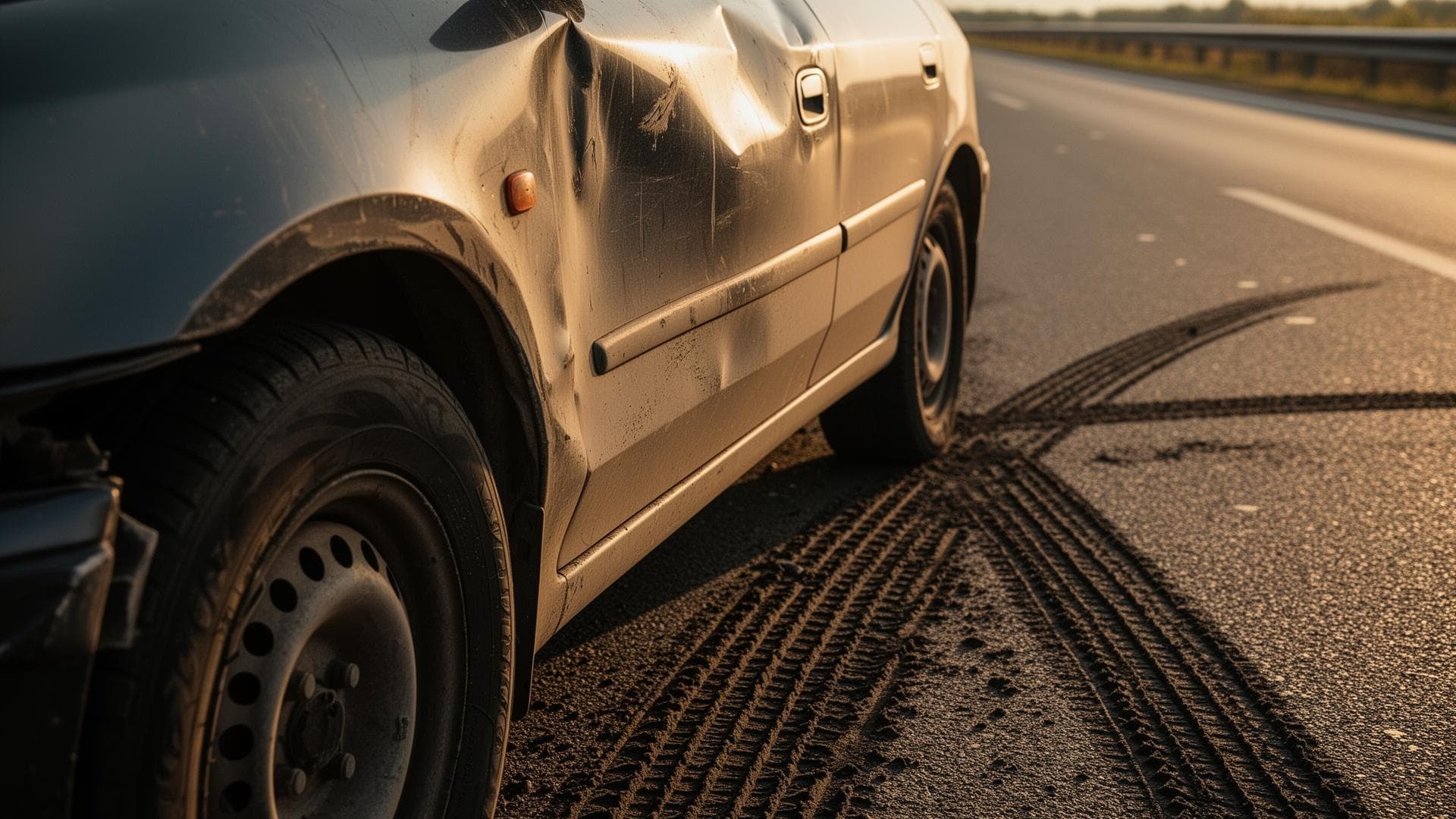
The Insurance Maze of Rental Car Accidents
Rental car accidents are uniquely complicated because multiple insurance policies may apply — and each one will try to shift responsibility to the others. Understanding the priority of coverage is essential to protecting your rights and optimizing your recovery.
When you're driving a rental car and get into an accident, up to four separate insurance sources may be in play: your personal auto insurance policy (which typically extends to rental cars), the rental company's insurance (either their Loss Damage Waiver or their liability coverage), your credit card's rental car coverage (if you used an eligible card), and the at-fault driver's insurance (if someone else caused the crash).
Understanding the Rental Agreement
Before examining insurance coverage, it's critical to understand what you agreed to when you signed the rental contract. Rental agreements contain important provisions that affect your liability: Loss Damage Waiver (LDW) / Collision Damage Waiver (CDW): This is NOT insurance — it's the rental company's agreement to waive its right to charge you for damage to the rental vehicle. If you purchased it ($15-$35/day), the rental company absorbs the vehicle damage cost. If you declined it, you're personally liable for all damage to the rental car. Supplemental Liability Insurance (SLI): This provides liability coverage for injuries and damage you cause to others — critical if your personal policy doesn't extend to rentals or has low limits. Personal Accident Insurance (PAI): Covers medical expenses for you and your passengers.
When You're At Fault
If you caused the rental car accident, your financial exposure depends entirely on what coverage applies: With personal auto insurance: Your policy's collision coverage typically pays for damage to the rental car (minus your deductible), and your liability coverage pays for the other party's injuries and property damage. Without personal auto insurance: If you don't own a car and have no personal policy, you're relying entirely on whatever coverage you purchased from the rental company or your credit card provides. Credit card coverage: Most premium credit cards (Visa Signature, Mastercard World, Amex) provide secondary collision coverage for rental cars — meaning they pay what your primary insurance doesn't. Some cards (notably Chase Sapphire Reserve, Amex Platinum) offer primary coverage that pays first, regardless of your personal policy.
When Someone Else Is At Fault
If another driver caused the crash while you were driving a rental, you have a claim against that driver's liability insurance — just as you would in your own car. However, several complications arise: the rental company will also file a claim against the at-fault driver for vehicle damage (creating competing claims against the same policy), the at-fault driver's insurance may try to lowball your claim knowing you're an out-of-town renter unlikely to litigate locally, and you may face loss of use charges from the rental company for the days the car is being repaired (these charges are your responsibility unless the at-fault driver's insurance covers them).
The Graves Amendment and Rental Company Liability
Before 2005, you could potentially sue the rental car company itself under vicarious liability theories if their vehicle was involved in a crash. The Graves Amendment (49 U.S.C. § 30106) largely eliminated this, providing that rental companies cannot be held vicariously liable solely because they own the vehicle — they must have been independently negligent.
However, you CAN still sue the rental company if: they rented a vehicle with known mechanical defects, they failed to perform required safety recalls, they rented to a driver they knew or should have known was dangerous (intoxicated, suspended license), or the vehicle had defective tires, brakes, or other safety components due to the company's negligent maintenance.
Steps to Take After a Rental Car Accident
1. Call 911 and get a police report — essential for all insurance claims. 2. Document everything — photos of all vehicles, the scene, your injuries, and the rental car's pre-existing damage (check the rental agreement's condition report). 3. Notify the rental company immediately — most agreements require prompt reporting; failure to report can void your coverage. 4. Do NOT sign any documents the rental company presents at the scene or shortly after — they may contain liability admissions. 5. Contact your personal auto insurer and credit card company — open claims with all applicable coverage sources. 6. Keep all receipts — towing, medical treatment, alternative transportation, hotel stays if stranded. 7. Consult an attorney — the multi-layered insurance issues in rental car cases require experienced legal navigation.
Bond Legal handles rental car accident claims nationwide, with experience untangling the complex insurance coverage disputes that make these cases uniquely challenging.