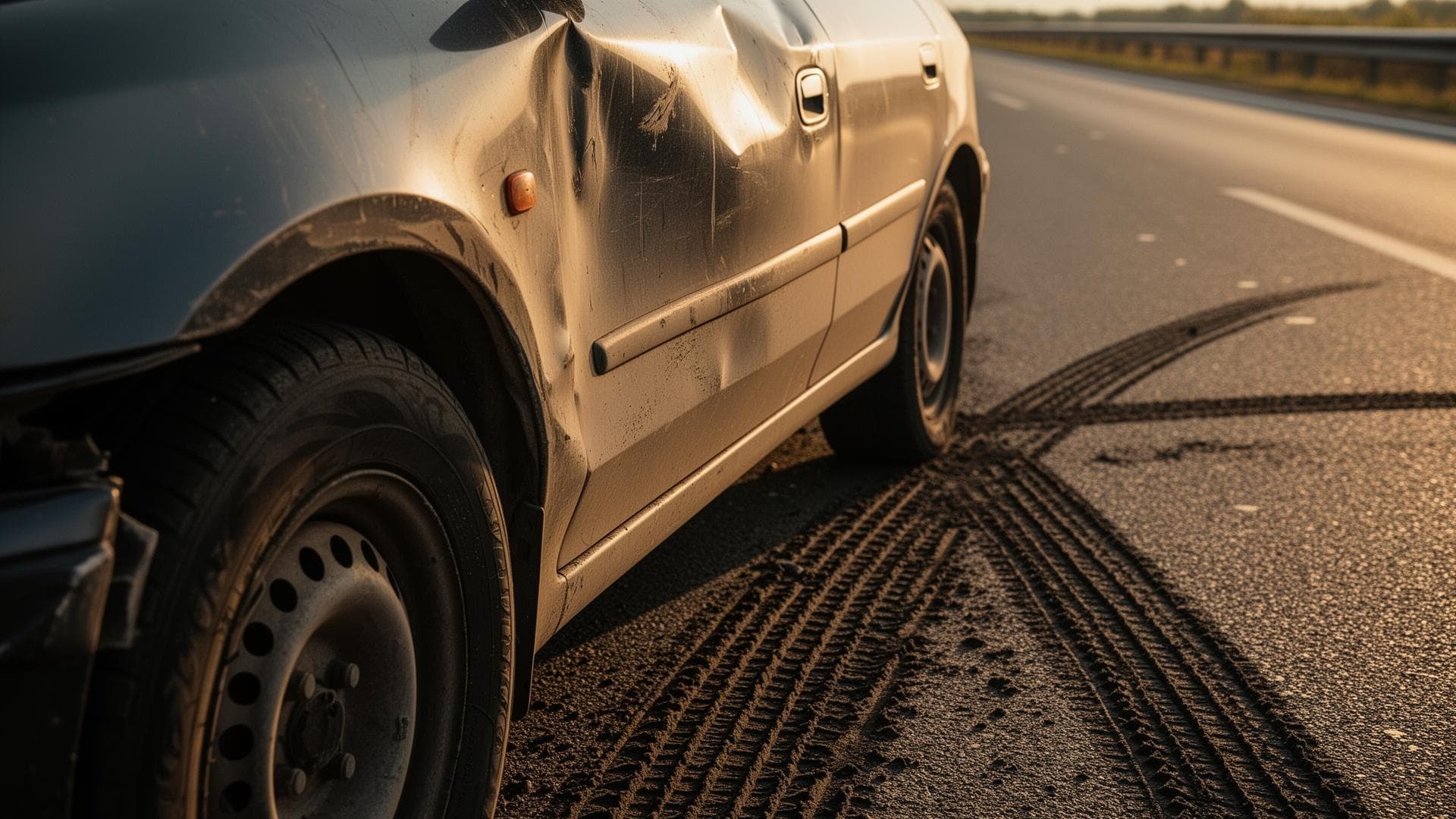
Understanding Road Rage vs. Aggressive Driving
While often used interchangeably, road rage and aggressive driving are legally distinct. Aggressive driving includes speeding, tailgating, weaving, and running red lights — traffic violations that increase crash risk. Road rage escalates beyond traffic violations into intentional, violent behavior: deliberately ramming another vehicle, forcing someone off the road, brandishing a weapon, or physical assault.
This distinction matters enormously for your personal injury case. Aggressive driving establishes negligence — the at-fault driver breached their duty of care. Road rage can establish intentional tort liability, which opens the door to punitive damages and may pierce the at-fault driver's insurance policy exclusions for intentional acts.
According to the AAA Foundation for Traffic Safety, nearly 80% of drivers expressed significant anger, aggression, or road rage behind the wheel at least once in the prior year. The NHTSA estimates aggressive driving plays a role in 66% of traffic fatalities.
How Road Rage Affects Your Personal Injury Claim
Road rage cases present unique legal opportunities and challenges. On the opportunity side: intentional conduct by the at-fault driver eliminates any comparative fault defense (they can't argue you were partially responsible when they deliberately attacked you). Punitive damages become available because the conduct goes beyond mere negligence into willful, wanton, or reckless behavior. Criminal charges against the aggressor (assault, reckless endangerment, vehicular assault) create a parallel proceeding that can strengthen your civil case.
On the challenge side: many auto insurance policies contain intentional act exclusions — if the insurer classifies the road rage as intentional (rather than negligent), they may deny coverage. This doesn't eliminate your recovery options, but it changes the strategy. Your attorney may need to pursue the at-fault driver's personal assets, homeowner's insurance (some policies cover assault), or argue that the conduct, while aggressive, remained within the negligence framework.
Types of Road Rage Incidents and Injuries
Road rage manifests in several dangerous ways, each with different injury patterns: Deliberate rear-ending or ramming causes severe whiplash, spinal injuries, and traumatic brain injuries because the victim has no warning to brace for impact. Brake-checking (suddenly stopping to cause the following driver to crash) creates rear-end collisions where the aggressive driver may paradoxically be the front vehicle. Forcing off the road can result in single-vehicle crashes into guardrails, ditches, or embankments — among the most deadly crash types. Throwing objects at vehicles can shatter windshields and cause loss of vehicle control. Confrontations after stopping can escalate to physical assault, weapons use, and even homicide.
Proving Road Rage in Court
Evidence is critical in road rage cases because the at-fault driver will almost certainly deny aggressive intent. Key evidence includes: Dashcam footage from your vehicle or nearby vehicles — increasingly common and often the most compelling evidence. Traffic camera and surveillance footage from businesses, intersections, and highway cameras. Witness testimony from other drivers and passengers. 911 call recordings — if you or others called to report the aggressive driver before the crash, this is powerful evidence of a pattern of behavior. The at-fault driver's driving history — prior road rage incidents, aggressive driving citations, and assault charges establish a pattern. Phone records showing the at-fault driver was engaged in an argument via text or call immediately before the incident.
Criminal vs. Civil Proceedings
Road rage often triggers both criminal prosecution (by the state) and your civil personal injury lawsuit. These proceedings are separate but interconnected. A criminal conviction for assault, reckless driving, or vehicular assault can be used as evidence in your civil case under the doctrine of collateral estoppel — the criminal jury already found the defendant guilty beyond a reasonable doubt, so the civil jury can consider that finding.
However, you should not wait for the criminal case to resolve before filing your civil claim. Statutes of limitations run regardless of criminal proceedings, and civil discovery tools (depositions, interrogatories, document requests) may uncover evidence not available through the criminal process.
optimizing your Recovery
To pursue full compensation in a road rage case: document your injuries thoroughly (medical records, photographs, psychological evaluations), preserve all evidence immediately (dashcam footage, witness contact information, 911 recordings), report the incident to both police and your insurance company, seek treatment for emotional and psychological injuries (PTSD, anxiety, driving phobia — these are compensable), and consult an attorney experienced in intentional tort cases who understands how to navigate insurance exclusions and pursue all available recovery sources.
Bond Legal attorneys have successfully handled road rage cases across all 28 states where we practice, securing full and fair compensation even when insurance companies attempt to deny coverage through intentional act exclusions.