The Growing Issue of Elderly Driver Accidents
As America's population ages, elderly driver accidents present increasingly complex legal and ethical questions. There are currently over 48 million licensed drivers aged 65 and older in the United States — a number that has grown 68% since 2000. While older adults are generally cautious drivers, age-related physical and cognitive decline creates specific accident patterns that differ from younger drivers.
According to the Insurance Institute for Highway Safety (IIHS), drivers aged 70+ have higher crash death rates per mile driven than middle-aged drivers (though lower than teen drivers). The elevated risk becomes most pronounced after age 75, and dramatically increases after age 85. Older drivers are especially vulnerable to fatal injuries because of physical fragility — an 80-year-old is roughly 3 times more likely to die in a crash than a 20-year-old in an identical collision.
Common Causes of Elderly Driver Accidents
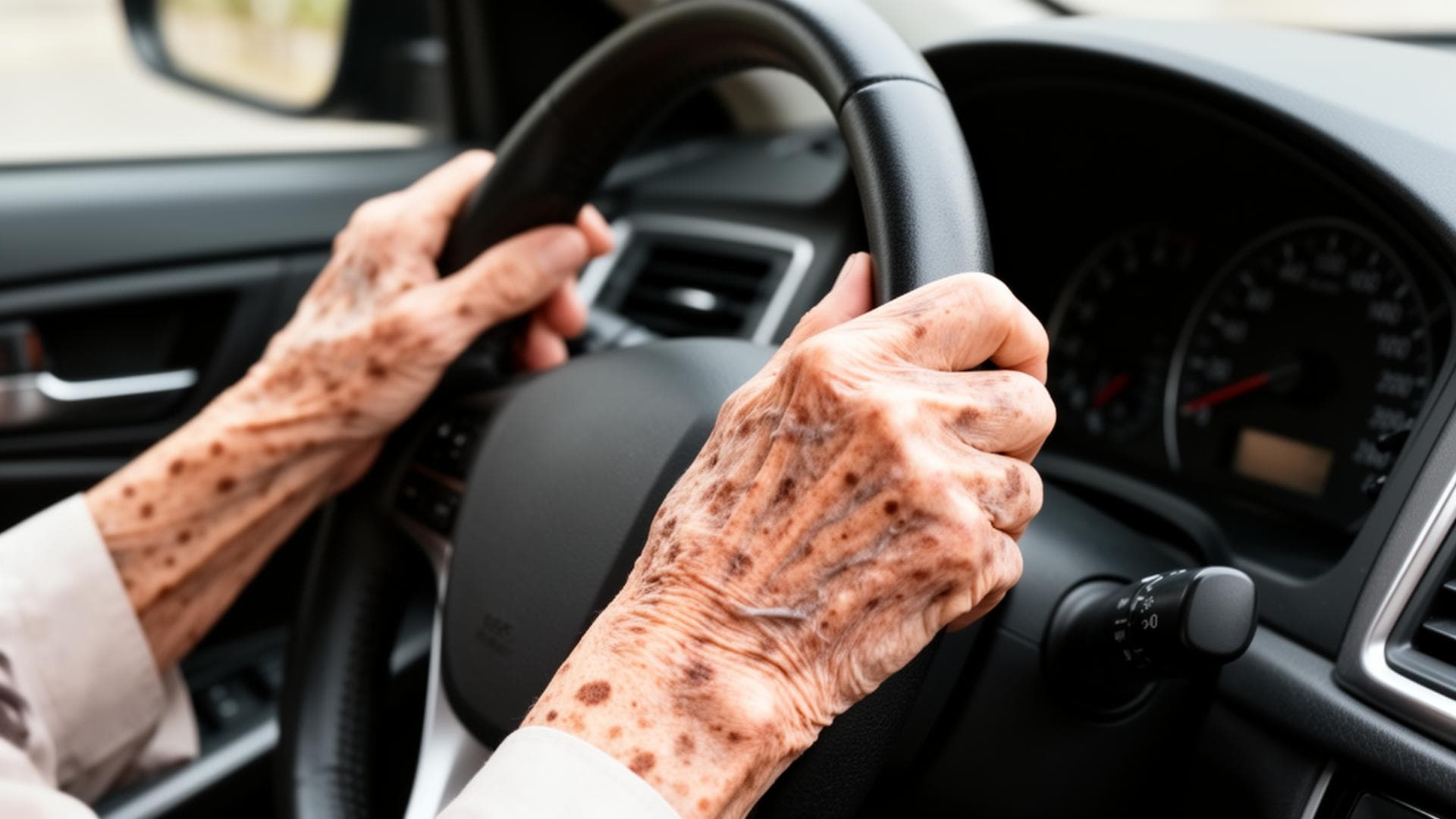
Age-related factors contributing to crashes include: Declining vision: Reduced night vision, increased sensitivity to glare, narrowing peripheral vision, and difficulty judging distances. Cataracts, glaucoma, and macular degeneration further impair visual acuity. Slower reaction time: The cognitive processing speed required to perceive, decide, and react in traffic slows with age. A 75-year-old's reaction time may be 30-50% slower than a 35-year-old's. Cognitive decline: Mild cognitive impairment and dementia affect judgment, spatial awareness, and the ability to process multiple stimuli simultaneously — critical skills for driving. Medication effects: Older adults take more medications, many of which cause drowsiness, dizziness, blurred vision, or impaired coordination. Physical limitations: Reduced neck flexibility (making shoulder checks difficult), decreased grip strength, and slower foot movement between pedals.
Liability Theories in Elderly Driver Accidents
When an elderly driver causes an accident, several liability theories may apply: Standard negligence: The elderly driver failed to exercise reasonable care — running a red light, failing to yield, making an unsafe lane change. Age doesn't change the negligence standard; all drivers must meet the same duty of care. Negligent entrustment: A family member, caregiver, or vehicle owner allowed the elderly person to drive despite knowing (or having reason to know) the person was unfit to drive. This theory can impose liability on the family member even though they weren't driving. Medical provider liability: In rare cases, a doctor who cleared an unfit patient to drive or failed to warn about medication side effects that impair driving may share liability.
Family Liability: Negligent Entrustment
Negligent entrustment is the most significant secondary liability theory in elderly driver cases. A family member may be liable if: they owned the vehicle and allowed the elderly driver to use it, they knew or should have known the elderly driver was unfit (prior accidents, known cognitive decline, doctor's recommendation to stop driving, failed vision tests), and the elderly driver's unfitness was a proximate cause of the accident.
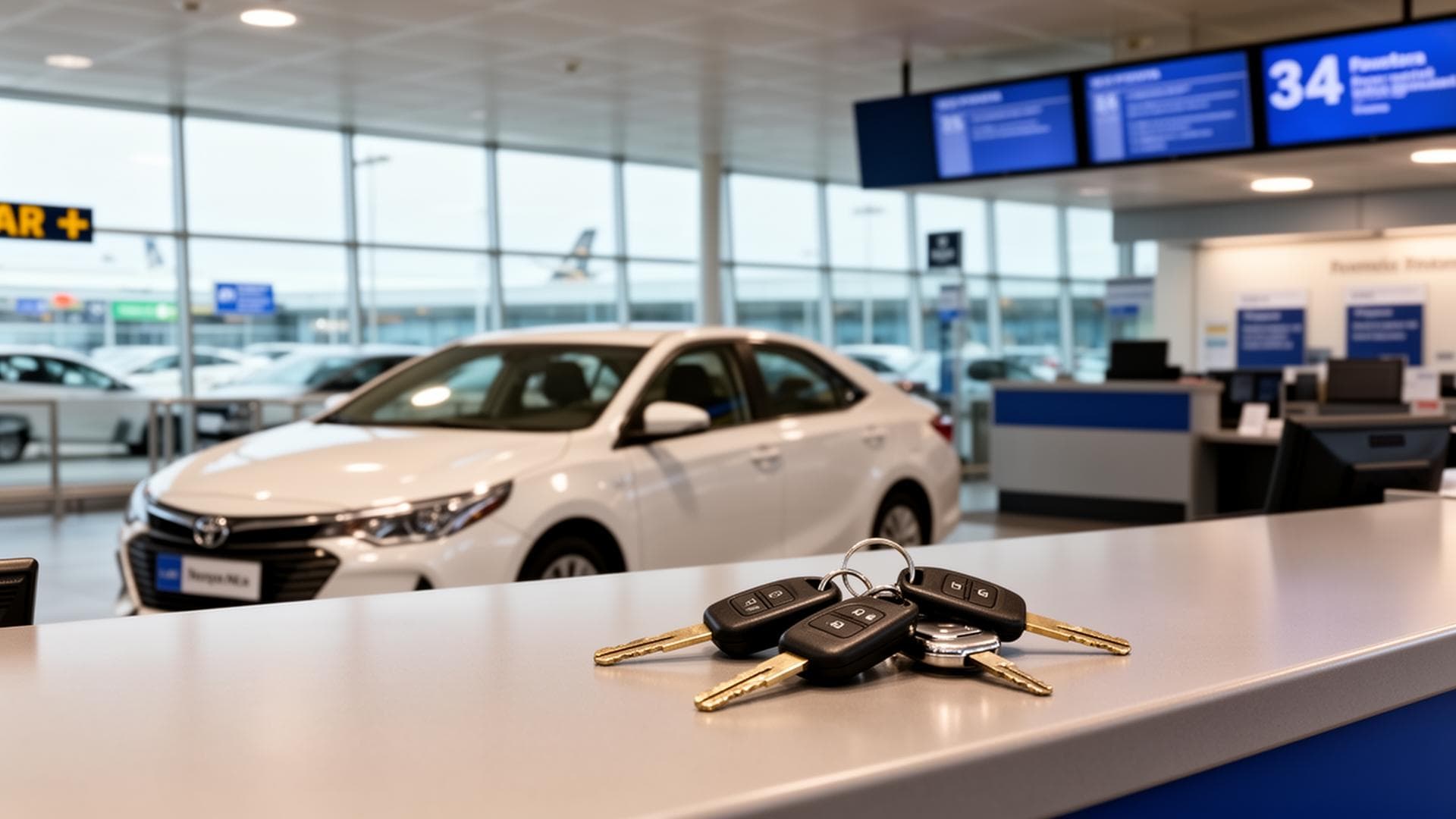
This creates a difficult situation for families: the legal system may hold them responsible for failing to take the car keys from an aging parent. Courts have found negligent entrustment where: adult children continued providing a vehicle to a parent with diagnosed dementia, a spouse allowed their partner to drive despite multiple recent accidents, and family members ignored a physician's recommendation that the elderly person stop driving.
Protecting Elderly Drivers' Rights When They're Victims
Elderly individuals are also frequently victims of car accidents, and they face unique challenges in pursuing claims: Pre-existing conditions: insurance companies vigorously argue that the elderly victim's injuries were caused by pre-existing conditions rather than the accident. The eggshell plaintiff doctrine protects seniors — the at-fault driver takes the victim as they find them. If an 80-year-old suffers a hip fracture that a 30-year-old would have survived without injury, the at-fault driver is still fully liable. Reduced life expectancy: Defense attorneys argue that future damages should be reduced because the elderly victim has fewer remaining years. While mathematically accurate for lost future earnings, this argument should not reduce pain and suffering, medical costs, or quality-of-life damages. Delayed symptoms: Elderly accident victims may not immediately recognize or report symptoms due to cognitive issues, stoicism, or confusion with existing conditions. This delay is used to argue the injuries aren't accident-related.
State Licensing Requirements for Older Drivers
States vary widely in how they address elderly driver licensing: some require more frequent renewal, vision testing, or in-person renewal for drivers over certain ages. Illinois requires in-person renewal and a road test for drivers 75+. California requires in-person renewal for drivers 70+ (no online or mail renewal). Florida requires vision tests at renewal for drivers 80+. Several states have no age-based requirements at all. These licensing requirements — or lack thereof — can factor into liability analysis and government accountability arguments.
When to Consider Taking the Keys
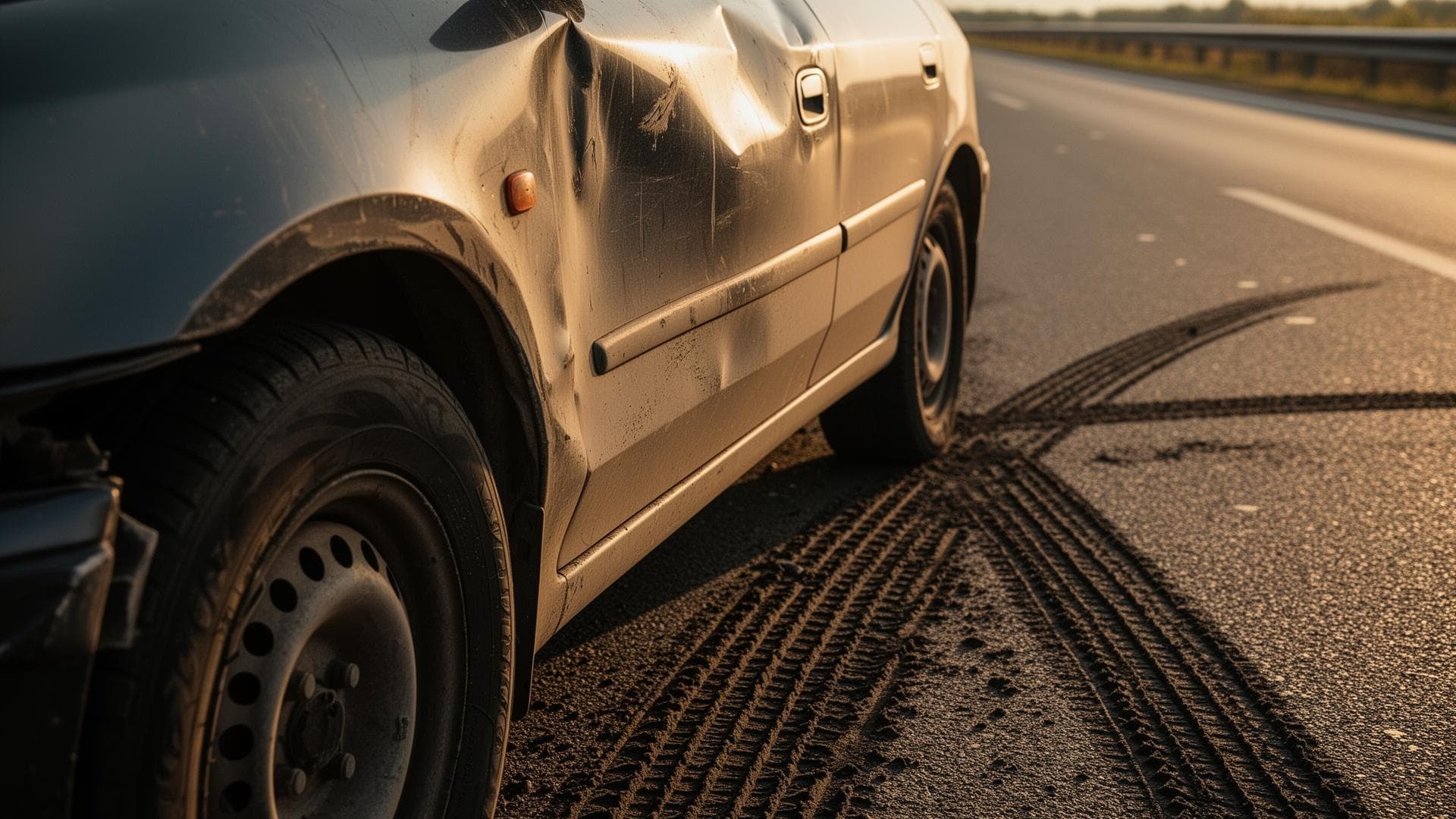
Warning signs that an elderly family member should stop driving include: multiple recent accidents or near-misses, getting lost on familiar routes, difficulty staying in the lane or maintaining appropriate speed, running stop signs or red lights, confusion about traffic signals or right-of-way, new dents or scratches on the vehicle with no explanation, and physician or DMV recommendation to stop driving.
Bond Legal handles elderly driver accident cases with sensitivity and legal precision, whether our client is the elderly driver, a family member facing negligent entrustment claims, or a victim of an elderly driver accident. We understand the complex emotional and legal dynamics these cases present.